
PROJECT
Smart Helmet
| Vismaya G | AUTHOR | ACTIVE |
| Sohan Aiyappa | COORDINATOR | ACTIVE |
This Report is yet to be approved by a Coordinator.
Smart Helmet:
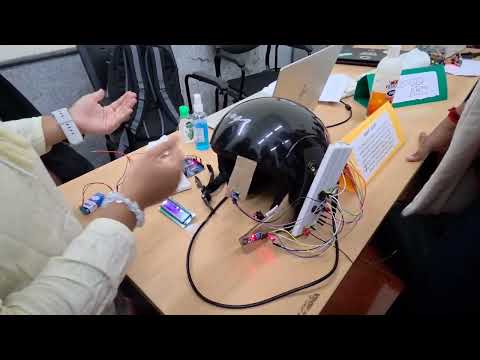
The Smart Helmet is a IoT-based prototype, which is designed to protect rider safety. It is built using basic sensors and simple technology, it detects whether a rider wears a helmet, the alertness/drowsiness level of a rider, and alcohol intake. Alerts are sent through a buzzer so that the rider stays safe and attentive on the road.
Introduction
Safety on roads concerning riders is of utmost importance, and accidents generally occur because of riders' negligence, fatigue, or consumption of alcohol. Not wearing a helmet can cost lives. Hence, using a smart helmet equipped with sensors and wireless communication makes monitoring a rider's condition possible. By providing real-time alerts, the helmet encourages safer riding habits without complicating the riding experience.
Watch on Youtube
Objective
The main purpose of the Smart Helmet is to enhance the safety of riders by:
- Reminding riders to put on their helmets.
- Drowsiness and alcohol consumption detection(Hence making sure that riders won't drive under alcohol influence)
- Alerting riders via a buzzer in case of unsafe riding conditions.
Key Features
1. Wear Detection – It detects whether or not the rider is wearing the helmet. If not, the buzzer alerts the rider until the helmet is worn.
2. Alcohol Detection: This feature checks whether the rider is under the influence of alcohol and is followed by a buzzer that warns the rider when the alcohol is detected.
3. Drowsiness Detection: It detects signs of fatigue or sleepiness and alerts the rider to stay awake through a buzzer.
4. Wireless Communication: This uses RF technology for wireless data transmission between the helmet and the bike, and displaying the alert messages on an LCD.
5. Safety Reminders – Ensures riders are aware of unsafe conditions and encourages safe riding practices.
Design & Workflow
The Smart Helmet system is built using two Arduino boards, an RF transmitter and receiver module, three IR sensors, one MQ-3 alcohol sensor, and buzzers.The sensors and the RF transmitter will go into the helmet, whereas the RF receiver will sit on the bike and will be connected to a buzzer and LCD display.
