COURSEWORK
Anjan's CL-CY-001 course work. Lv 1
| Anjan M | AUTHOR | ACTIVE |
15 / 2 / 2026
Anjan M | CSE | Batch 28’
TASK 2 — API
Overview
What is an API?
API stands for Application Programming Interface. Interface can be thought of as a contract of service between two applications. This contract defines how the two communicate with each other using requests and responses.
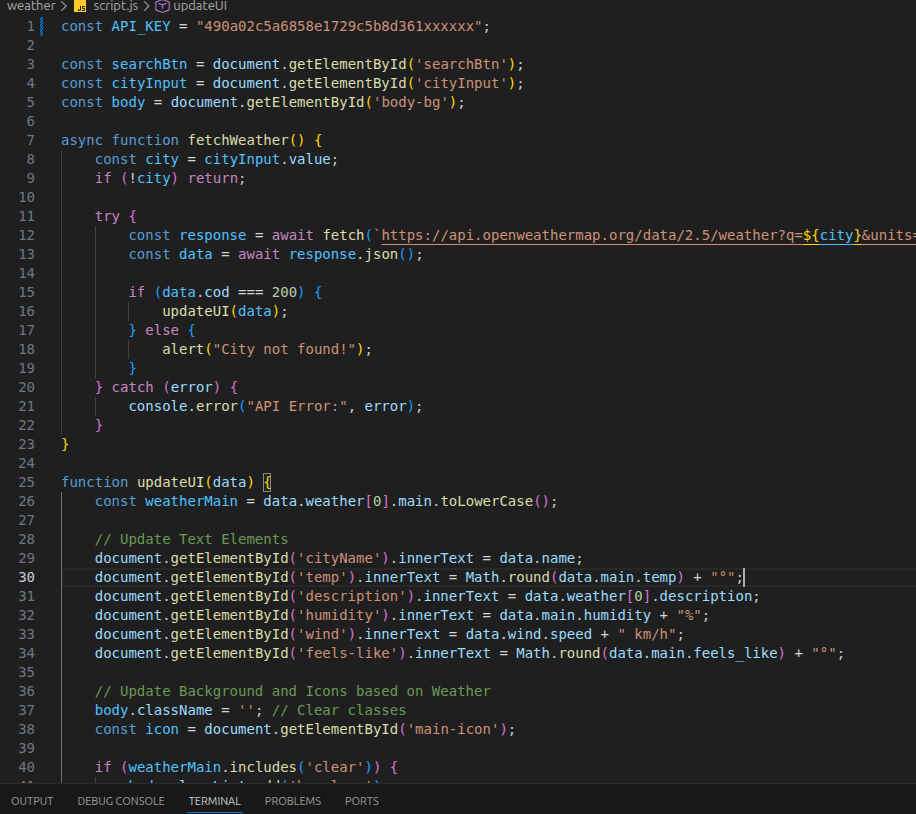
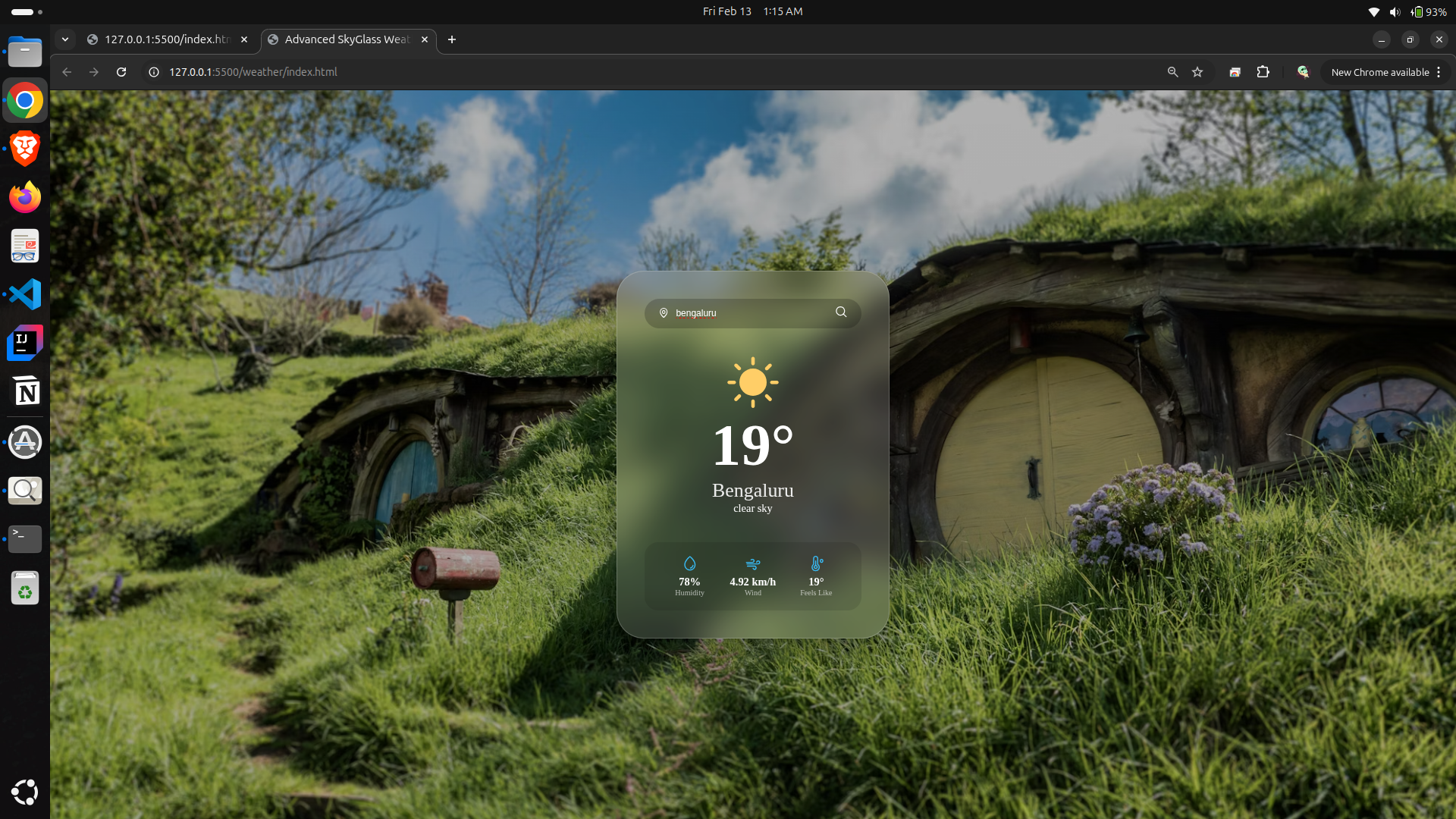
I created a weather application by integrating an external API to understand real-time data fetching. Weather_App
Project Implementation
API Selection
- Provider: Weather_Map
- Service: Current Weather Data API
- Auth Method: API Key (90a02c5a6858e1729c5b8d361xxxxxx)
Features
- Real-Time Polling: Fetches live data from global weather stations.
- Dynamic Backgrounds: The background image and theme colors change automatically to match the weather condition (Rain, Sun, Clouds, etc.).
Key learnings
- Studied API concepts and usage
- Used a weather API to fetch live data
- Created a user interface to display results
- Parsed JSON responses and displayed weather details
API integration
Weather API Output
TASK 3 — Working with GitHub
Overview
Explored collaborative development practices using GitHub.
Activities
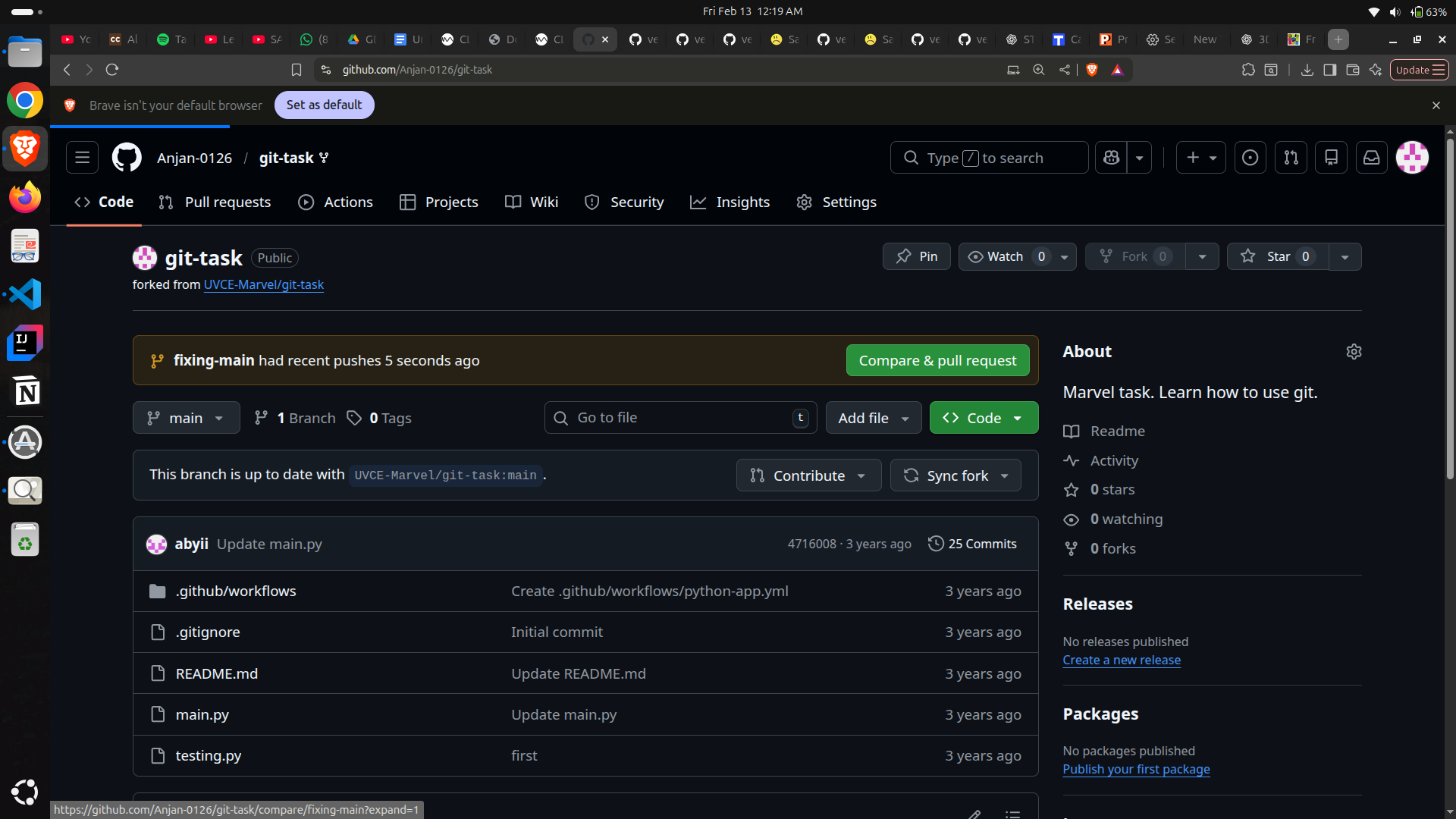
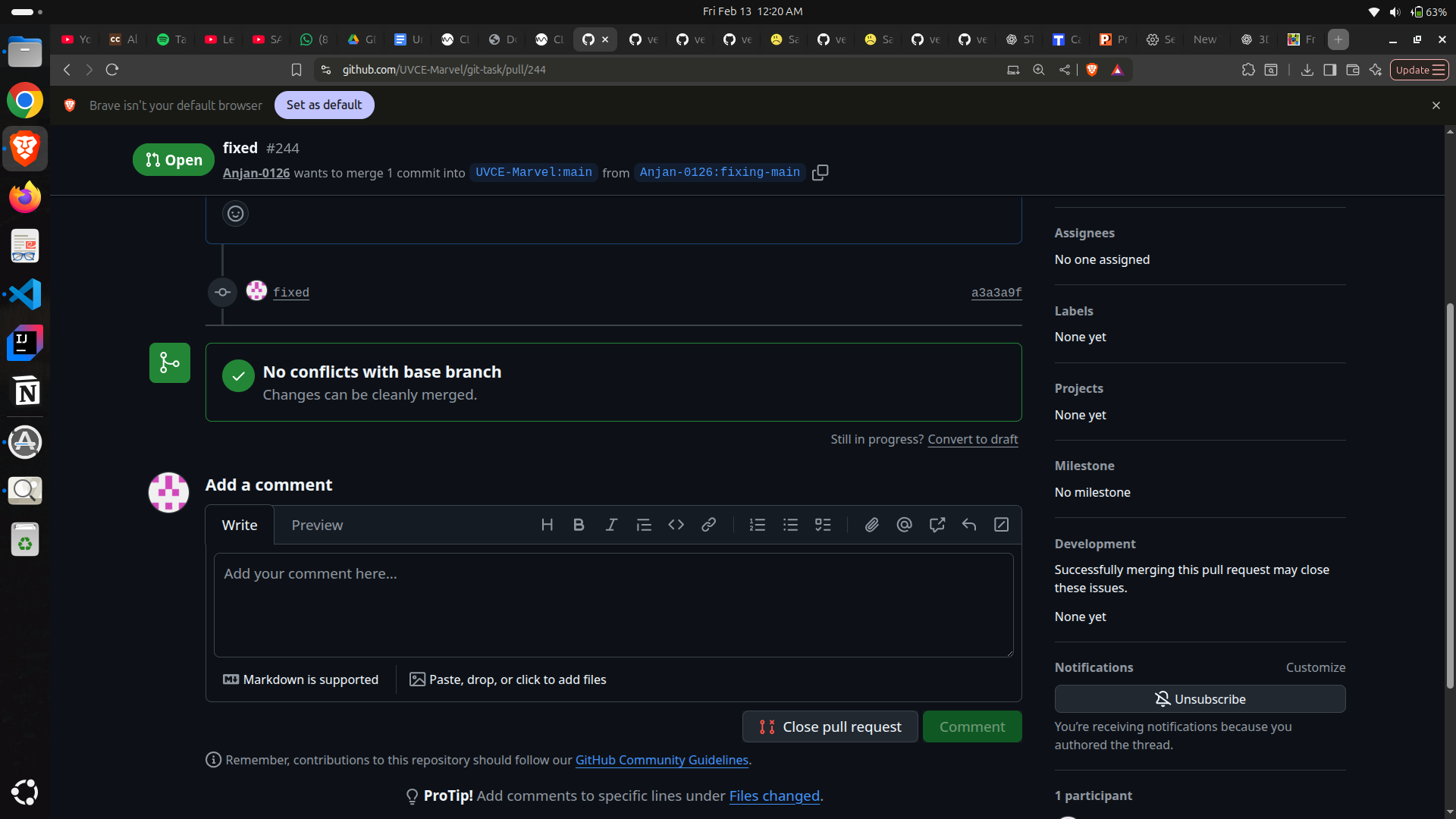
- Worked with branches and pull requests
- Understood GitHub Actions workflows
- Practiced forking and merging code
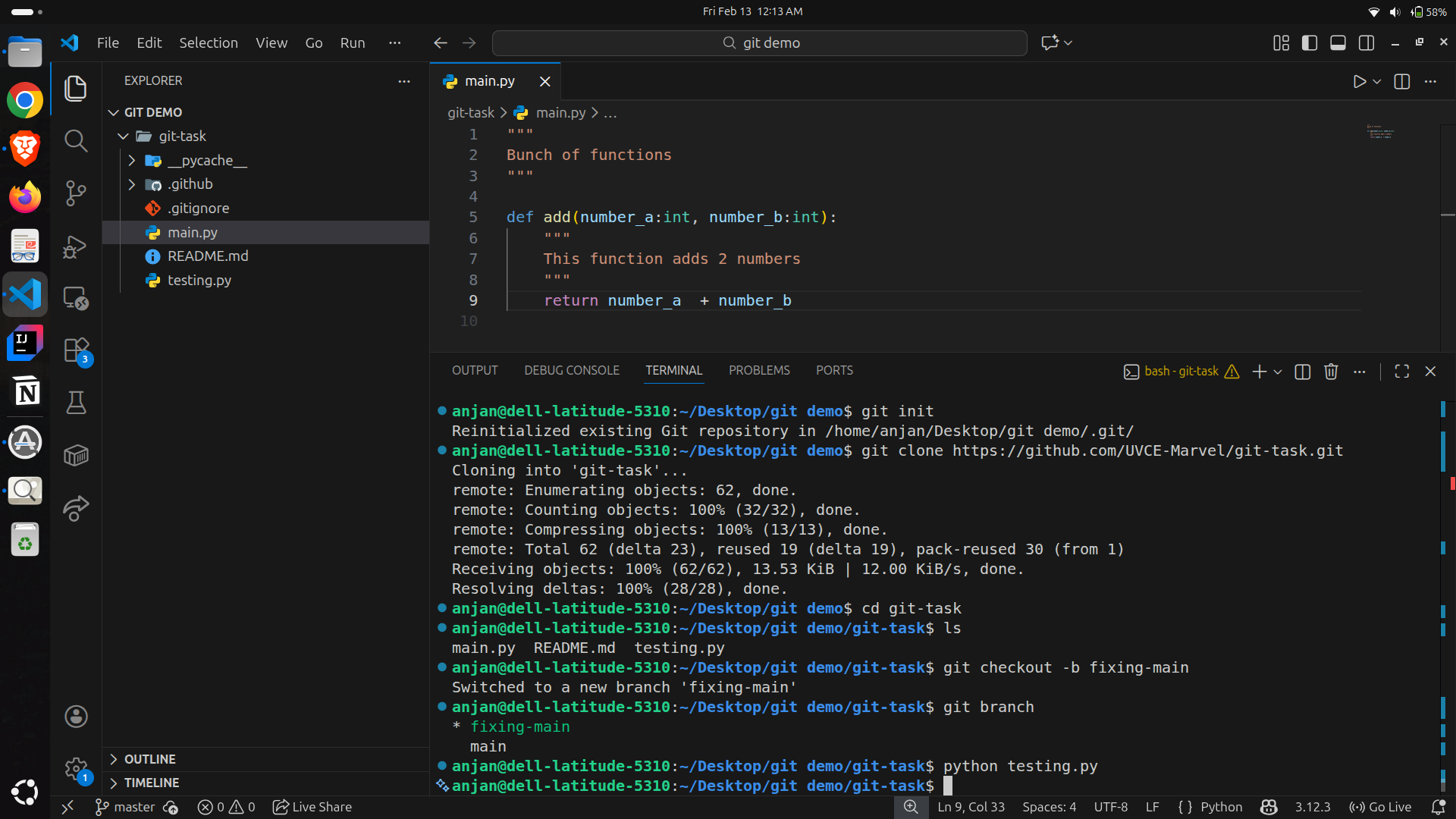
Git commands
Fork
Pull request
TASK 4 — Ubuntu Command Line
Overview
In this task, I worked with the Ubuntu command line and practiced basic shell commands.
I successfully completed all the subtasks mentioned.
Tasks Performed
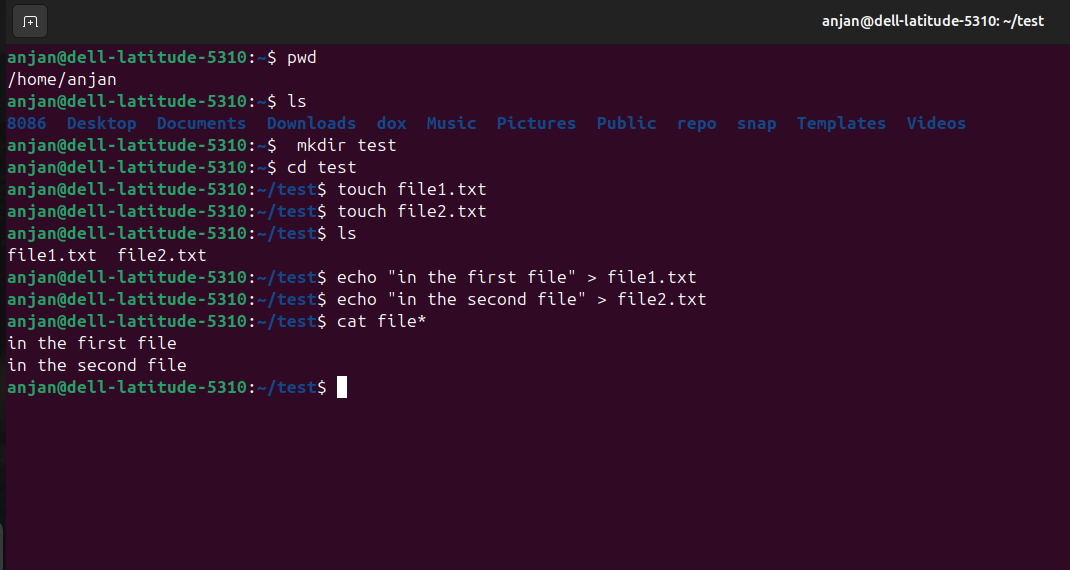
- Created and navigated directories
- Listed files using terminal commands
- Created files without text editors
- Concatenated text files and displayed output
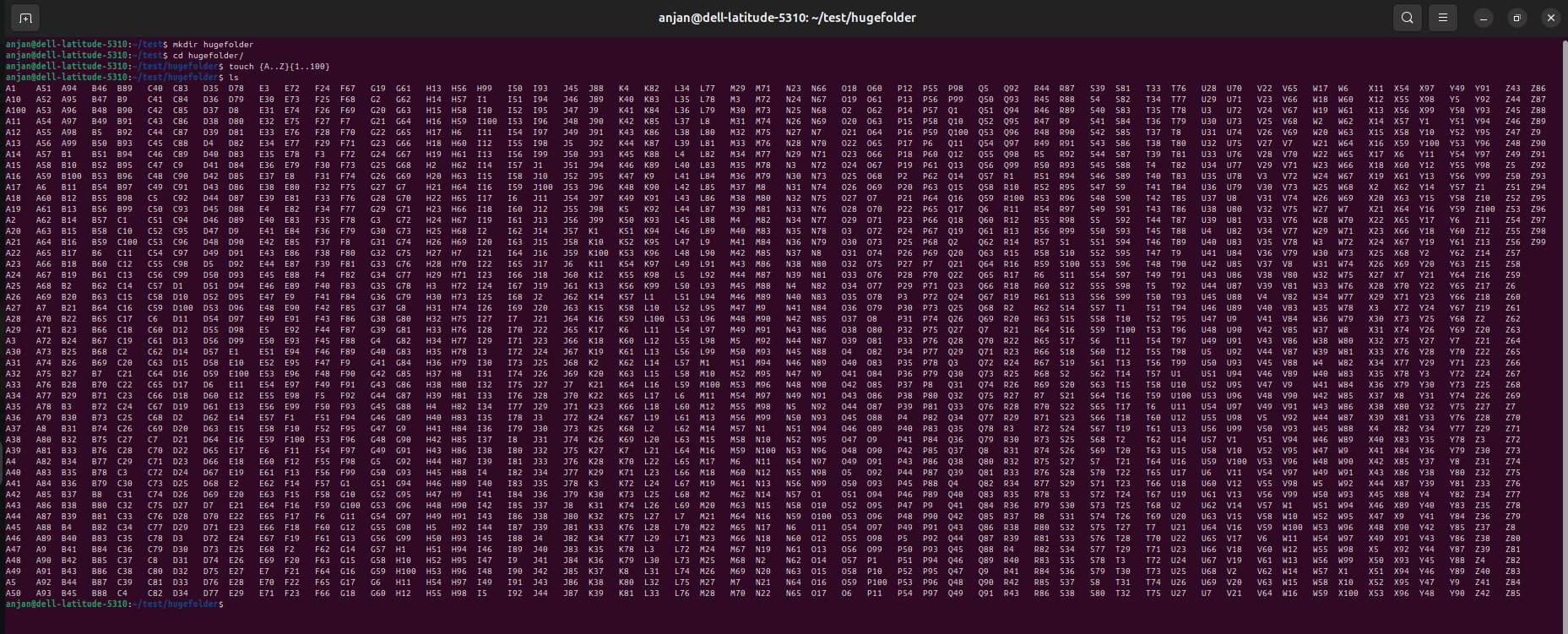
- Generated multiple folders using loops
TASK 6 — Matrix Puzzle (NumPy & Matplotlib)
Overview
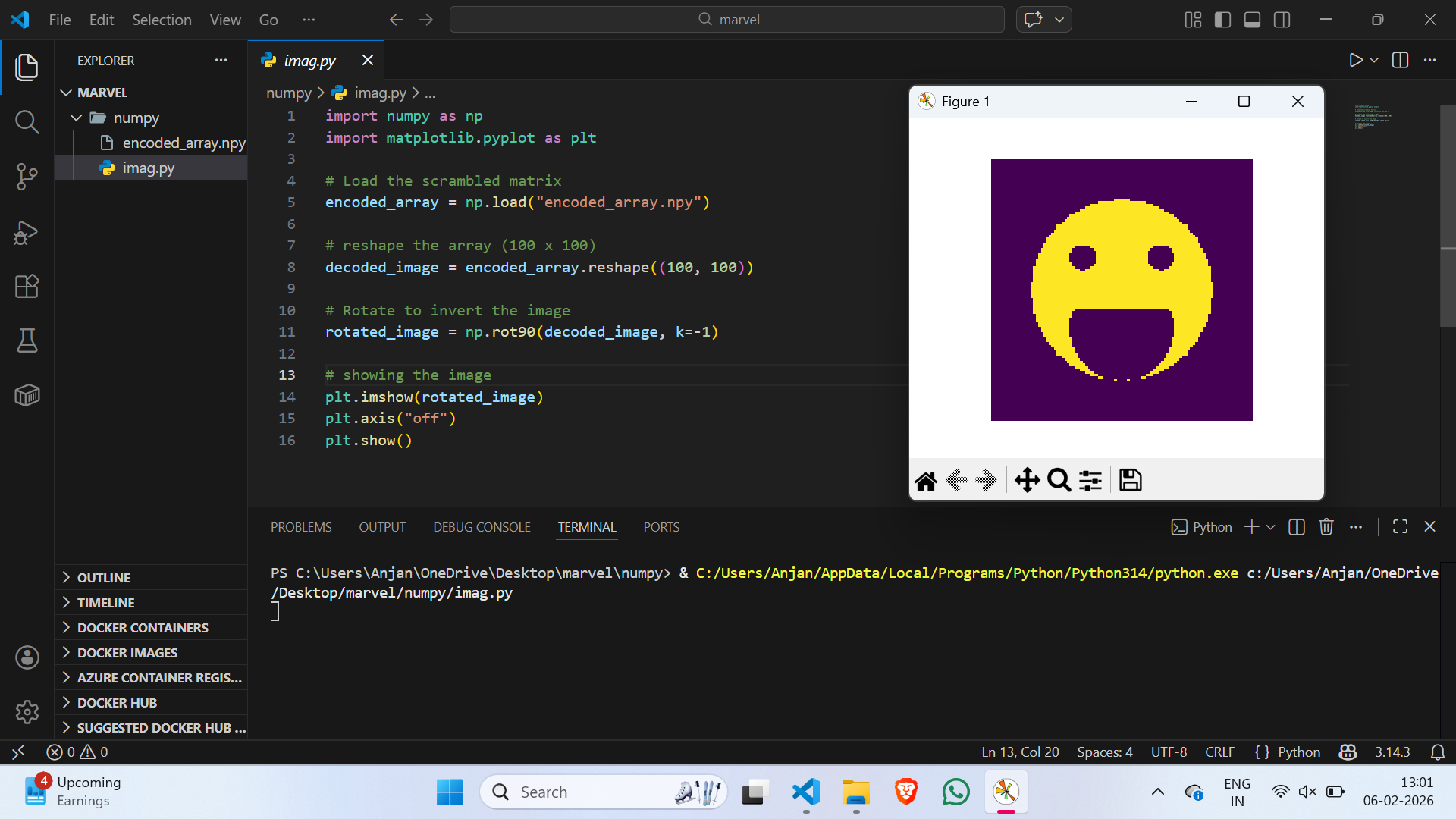
Decoded a scrambled matrix to reveal a hidden image using NumPy operations.
Activities
- Loaded the scrambled matrix
- Reshaped encoded array into square format
- Corrected orientation of image
- Visualized final output with Matplotlib
pyhton_script
TASK 7 — Portfolio Webpage
Overview
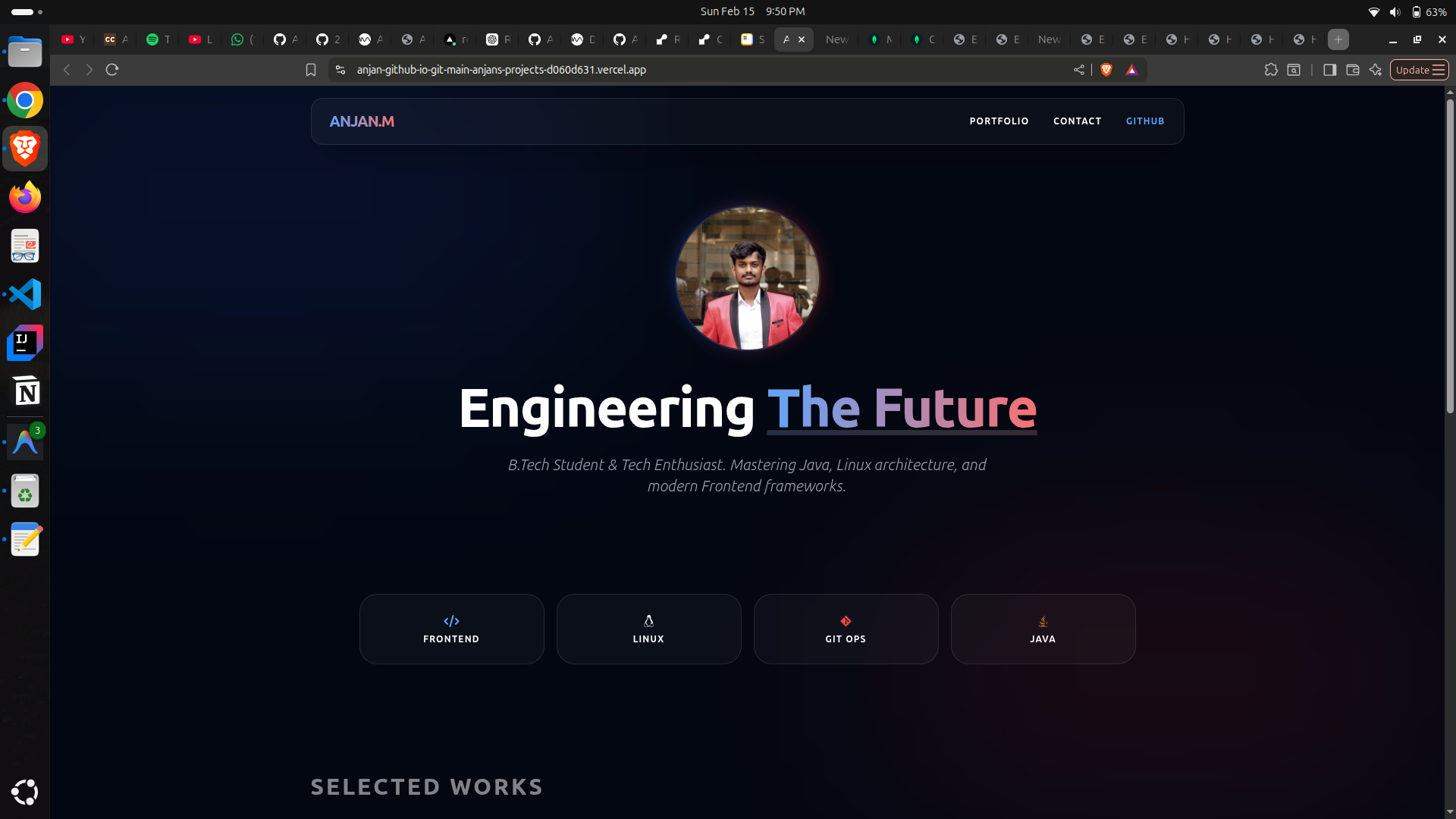
Created a responsive personal portfolio website.
Features
- About section and profile details
- Project showcase
- Social media links
- Responsive design for different screen sizes
- Custom styling
Deployment
- Version controlled using GitHub
- Hosted using vercel platform
Portfolio
TASK 8 — Writing Resource Article using Markdown
Overview
Learned Markdown syntax and created a technical article on Linux.
Work Done
- Structured article using headings and lists
- Added links and formatted sections
- Ensured readability across devices
- Published article on the MARVEL platform
TASK 9 — Tinkercad
Overview
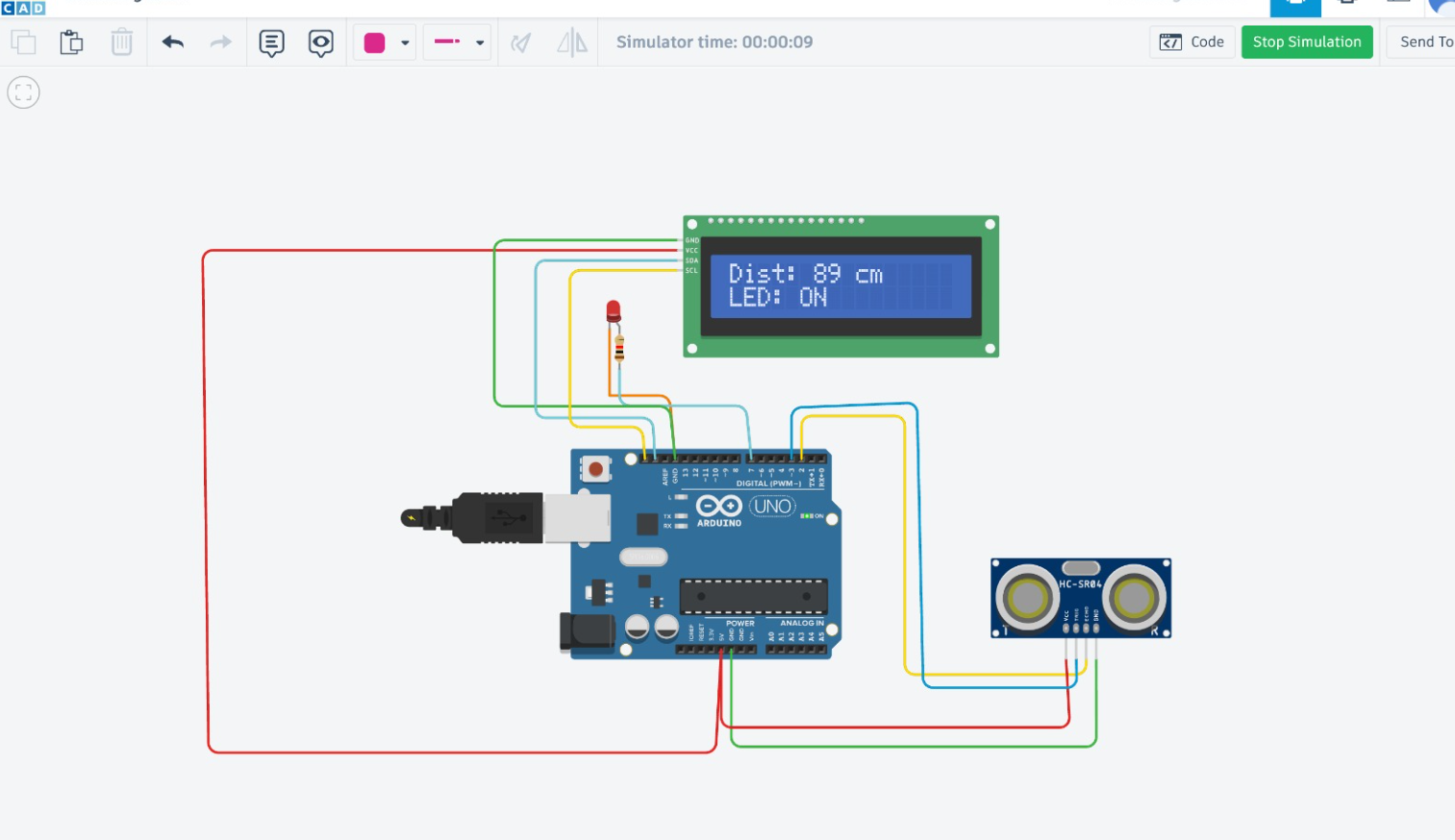
Simulated circuits to understand sensors and microcontroller programming.
Projects
- Ultrasonic sensor distance measurement
- Serial monitor output display
- Radar system using ultrasonic sensor + servo motor
TASK 10 — Speed Control of DC Motor
Overview
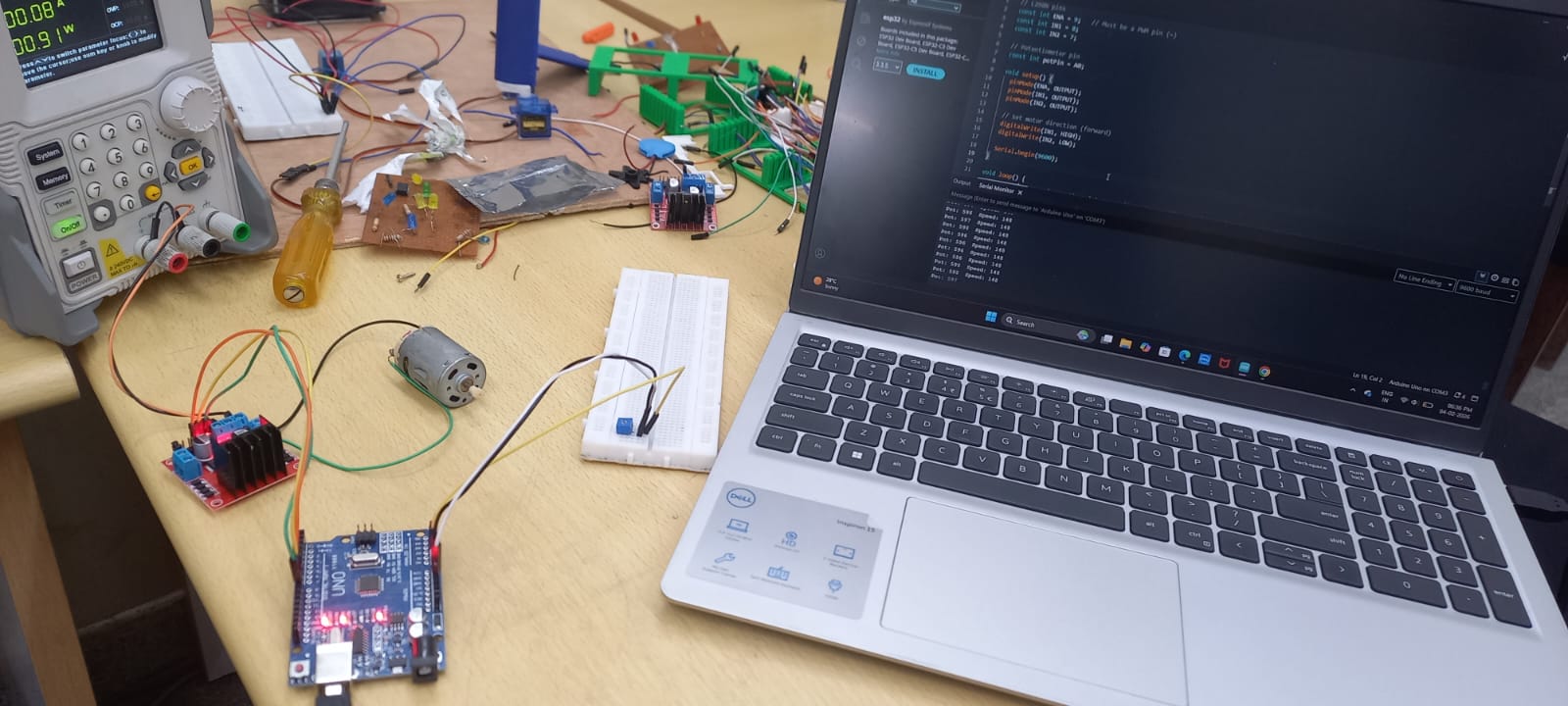
Controlled DC motor speed using Arduino and an H-Bridge motor driver.
I learnt the basics of the L298 Motor driver, about its ports and connections. Learnt how to use ARDUINO to control the speed of the DC Motor by doing the appropriate connections with the L298N Motor Driver.
Key Concepts
- L298N motor driver operation
- Hardware implementation and testing
 watch-video
TASK 11 — LED Toggle Using ESP32
Overview
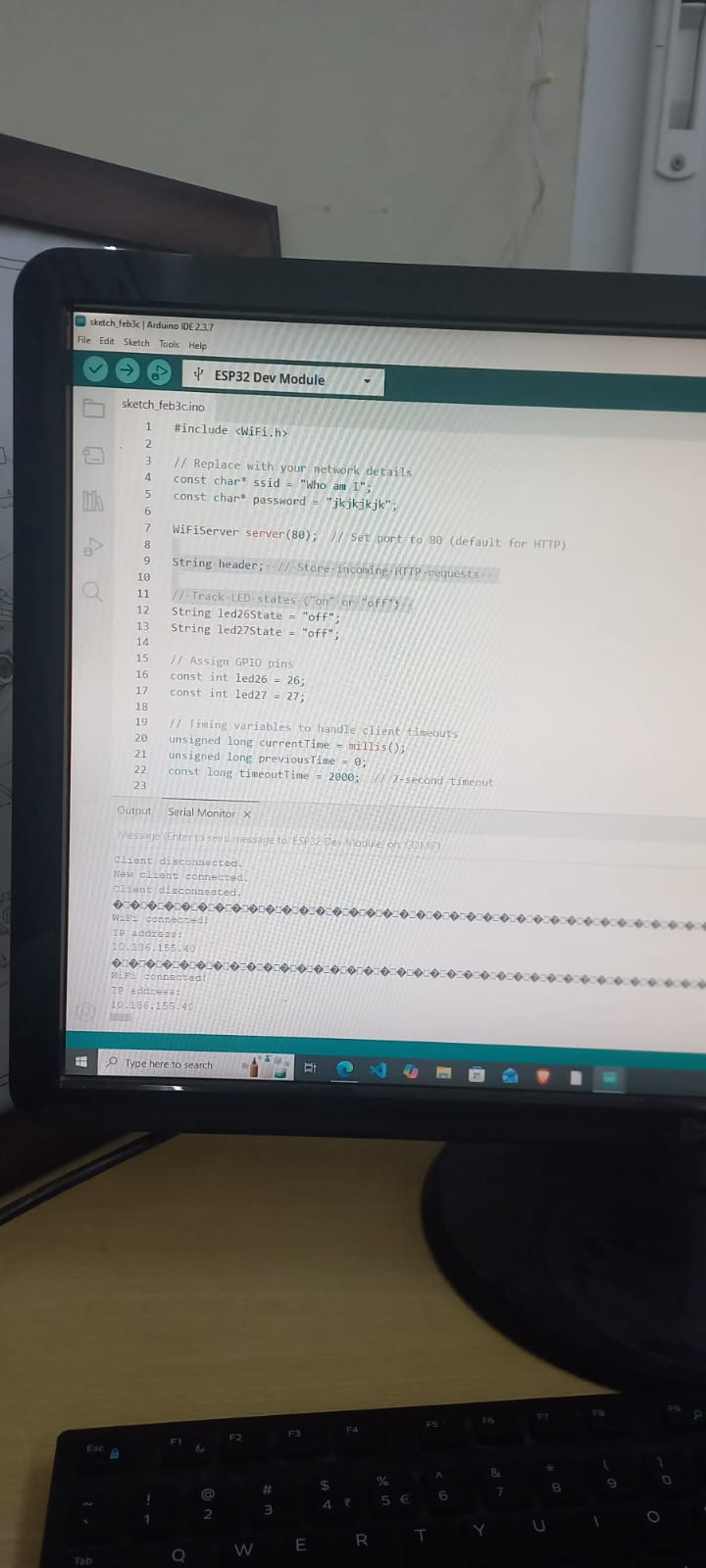
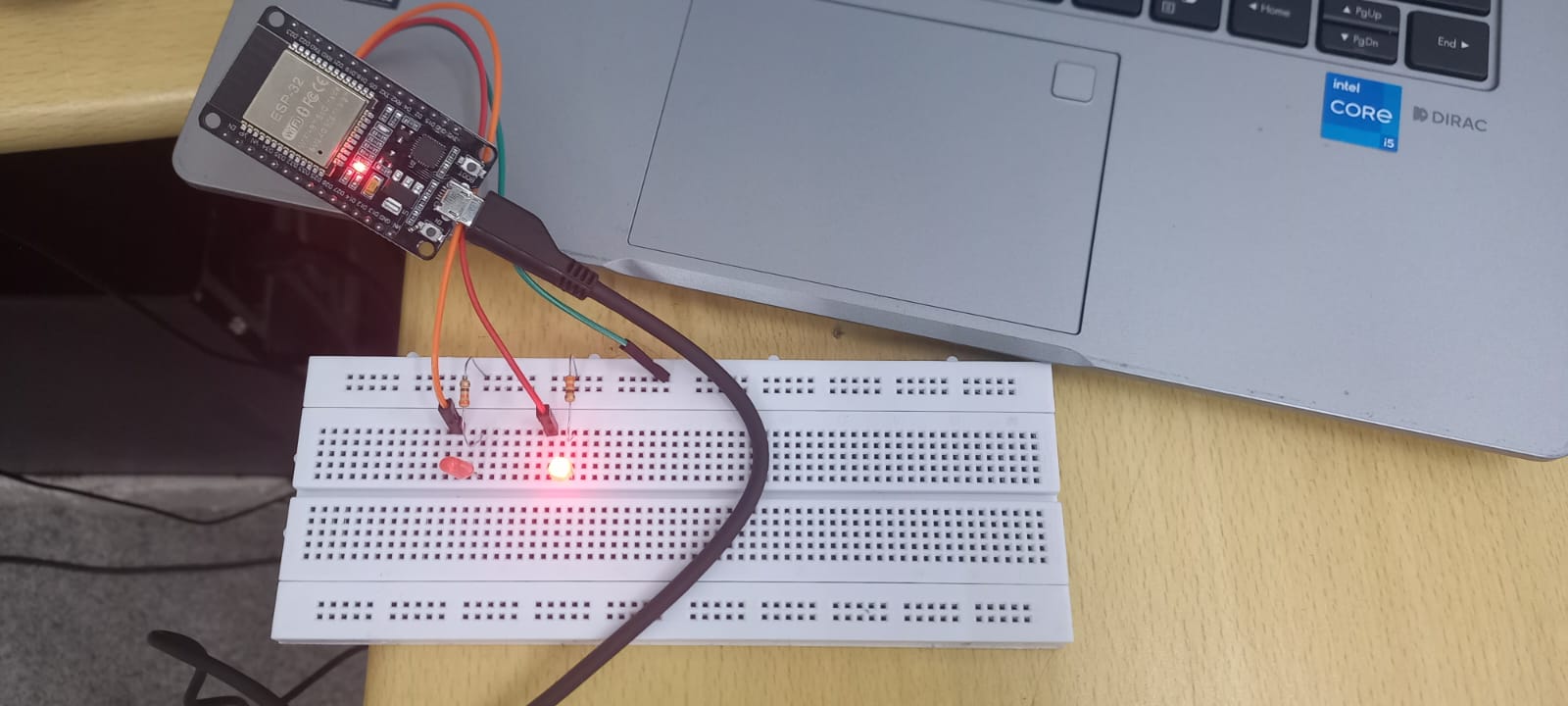
The primary goal is to fabricate a functional web server capable of controlling two LEDs connected to the GPIO pins of the ESP32. This web server will be readily accessible by inputting the ESP32’s IP address into any browser within the local network. The web interface will be equipped with ON/OFF buttons, providing an intuitive means of managing the LED states.
This is just a simple example to build a web server that controls ESP32 outputs pins. here we are using LED for executing this project.
Key Activities
- Configured Arduino IDE for ESP32
- Connected LED to GPIO
- Created browser-based control interface
- Controlled LED through local network
TASK 12 — Soldering Prerequisites
Overview
- Soldering is a technique used to join electronic components by melting a filler metal (solder) that solidifies to form both a mechanical and electrical connection. It is widely used in assembling and repairing circuits, and can be seen as the small metallic joints on PCBs where components are fixed.
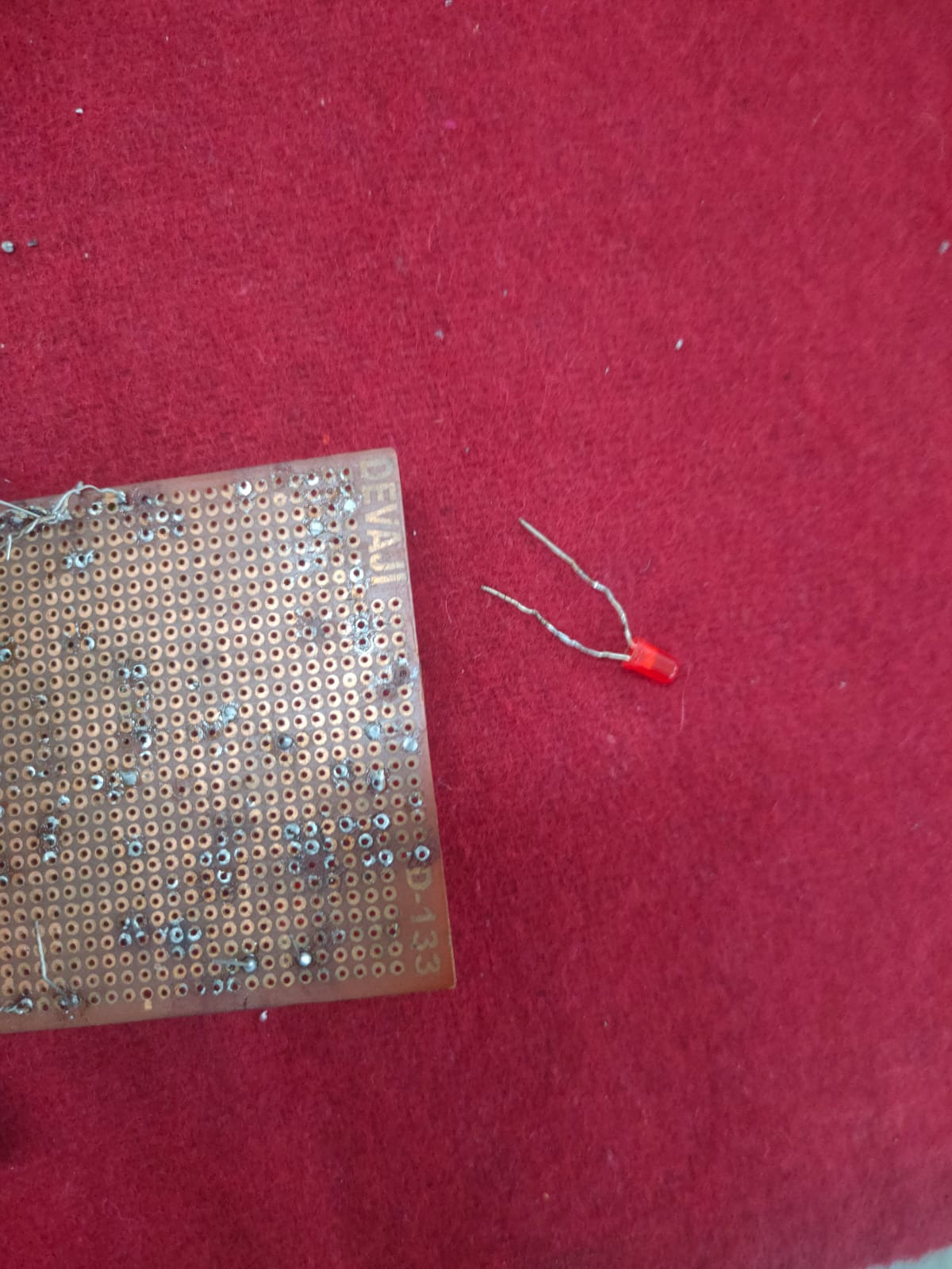
- In the lab, I was introduced to the basic soldering equipment including the soldering iron, solder wire, flux, soldering wick, and the stand, along with the necessary safety precautions. Under the guidance of a coordinator, I practiced basic soldering on a perf board by creating a simple LED circuit.
- I also learned how to desolder existing joints using a soldering wick and then resolder the components back in place.
TASK 14 — Karnaugh Maps & Logic Circuit
Overview
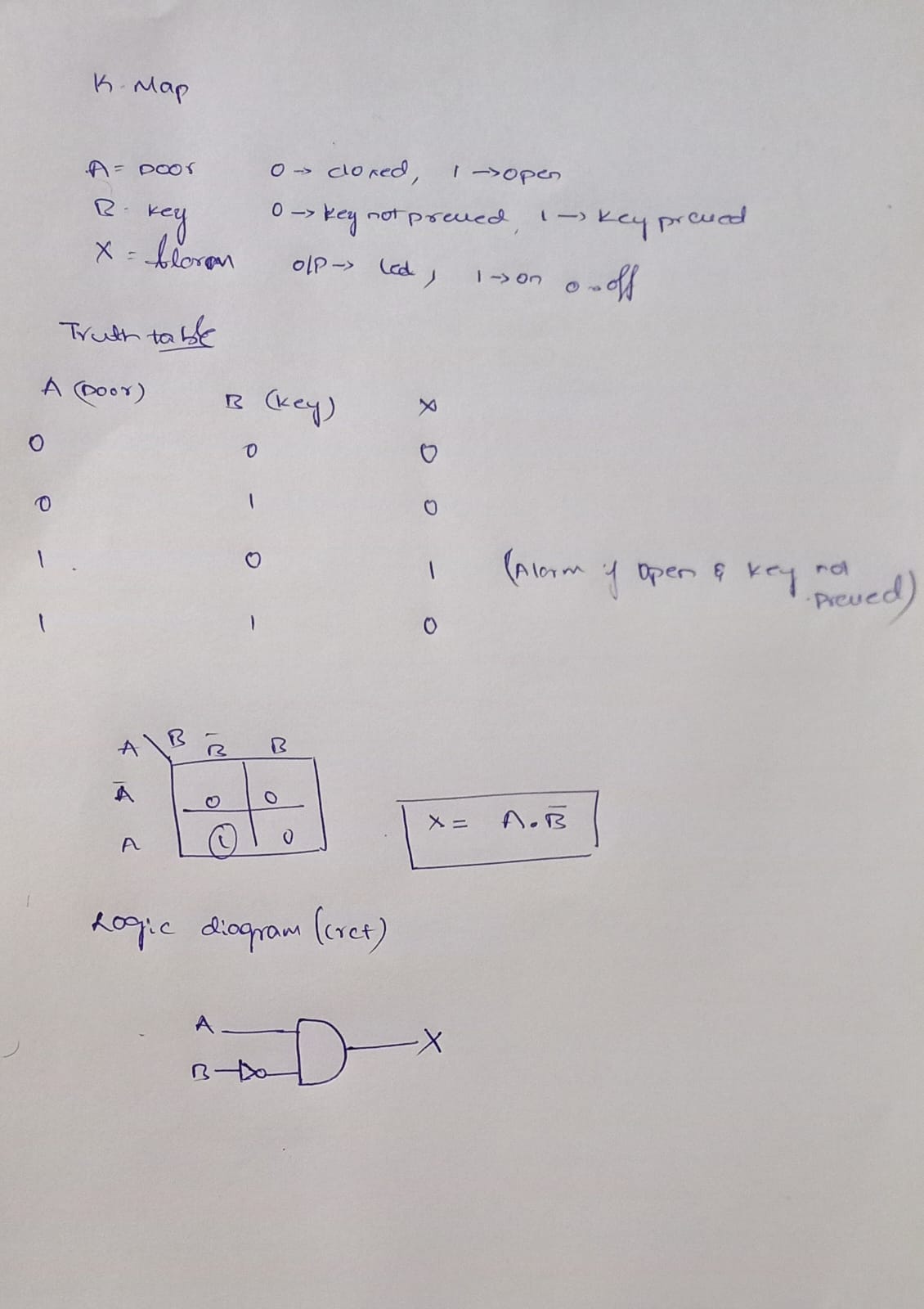
In this task, I learned how to use Karnaugh Maps to simplify Boolean expressions and design a simple burglar alarm circuit. The burglar alarm should work based on the whether the door is locked or open, whether the key is pressed or not pressed. By using these conditions on a 4-variable K-Map, I identified the simplified Boolean expression for the output. This logic was then used to design a circuit using logic gates
TASK 15 — Active Participation
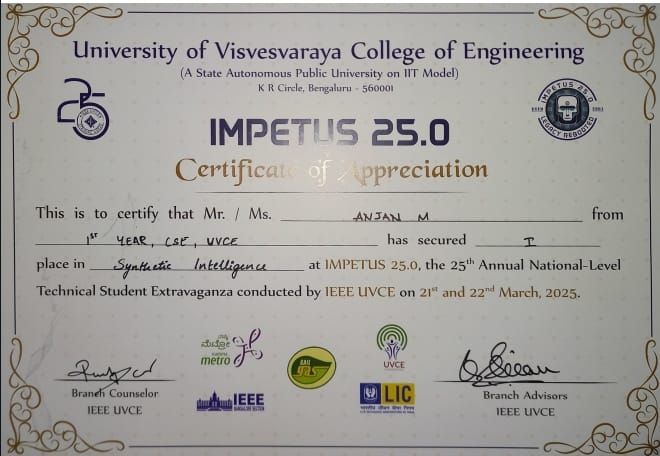
Synthetic intelligence
i actively participated in a Synthetic Intelligence event where I used AI tools to design a prototype drone concept. The project focused on applying artificial intelligence for innovative design and problem-solving during the prototyping phase. My design stood out for its creativity and practical approach, and I won recognition in the event.
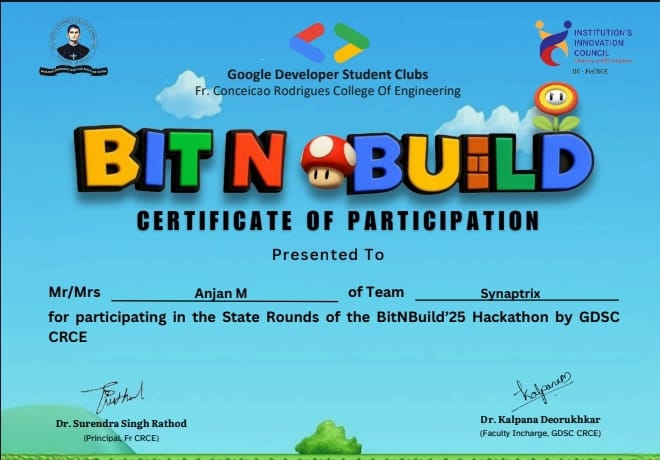
Bit N Build
I actively participated in the Bit N Build Hackathon, where I designed and developed a College Management System prototype. The project focused on creating an efficient digital solution to manage academic and administrative activities within a college.
TASK 17 — Introduction to VR
Overview
Studied Virtual Reality and its ecosystem.
Topics Covered
- Difference between VR and AR
- Current industry trends
- Technology stacks
- Indian companies working in VR
view report
TASK 18 — Sad Servers (Linux Troubleshooting)
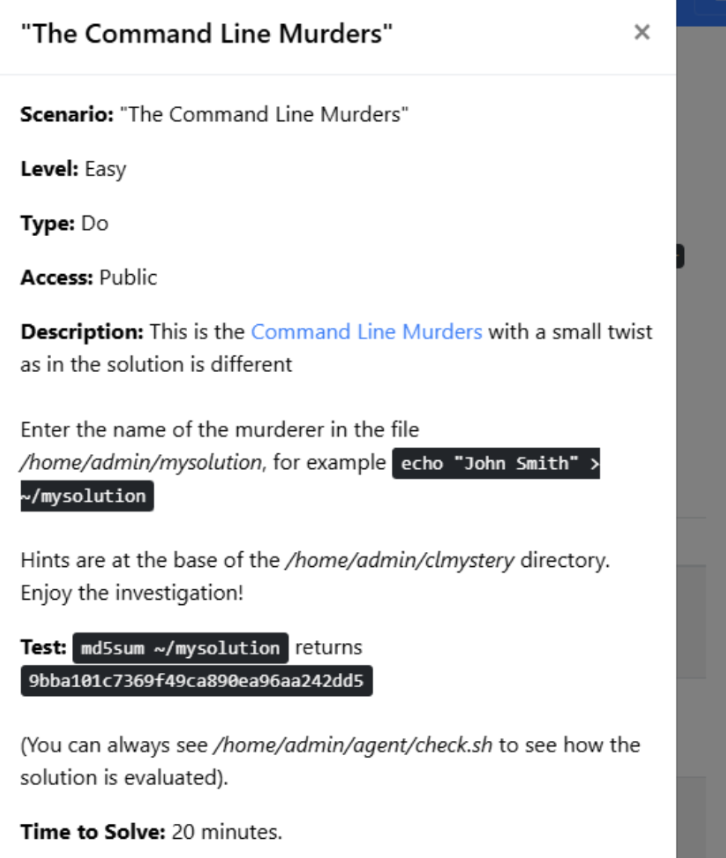
Overview
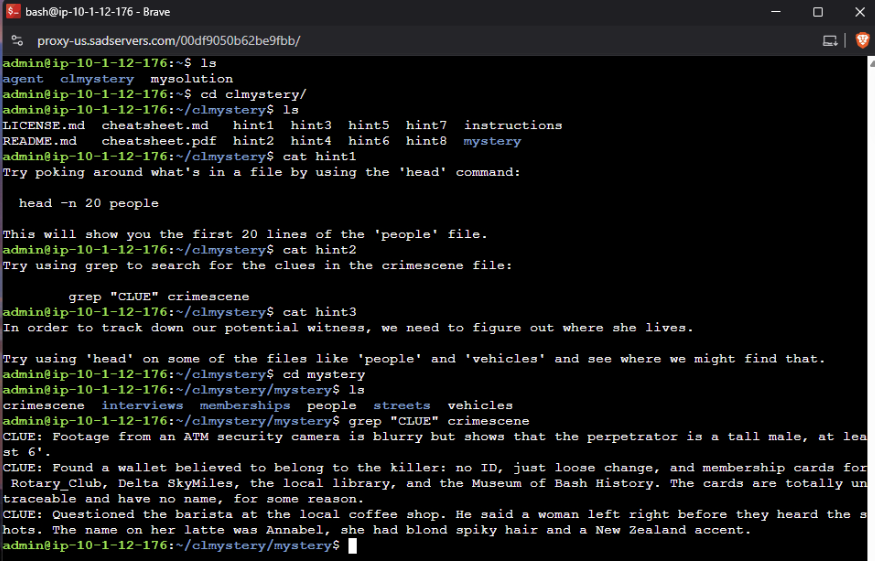
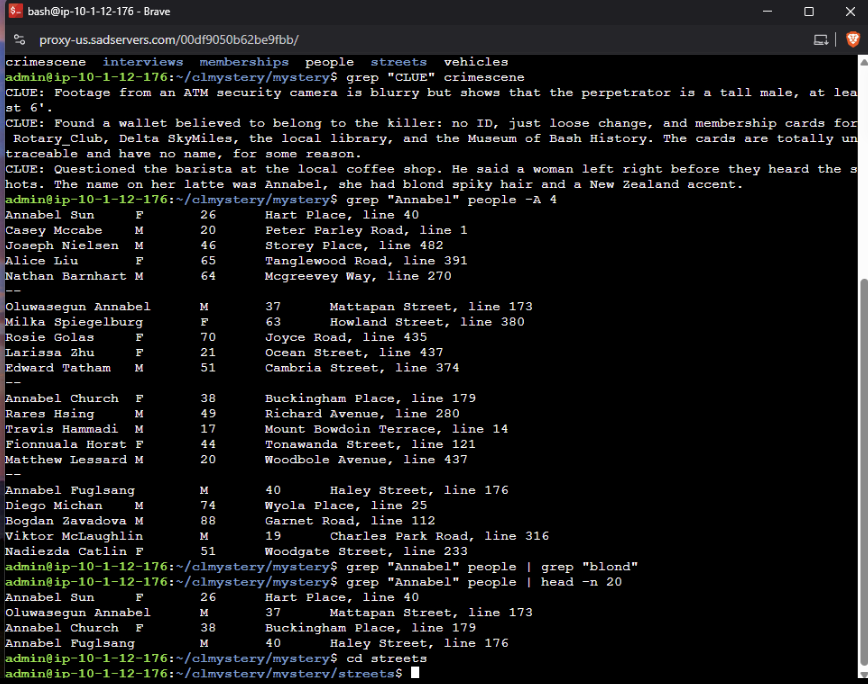
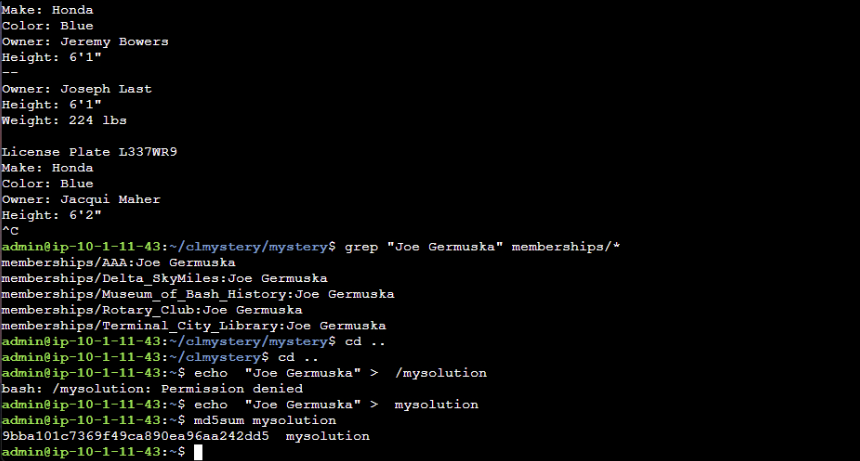
In this task, I worked on a Linux troubleshooting challenge called Sad Servers. The scenario was a “Command Line Murder Mystery,” where I had to investigate a crime using only Linux commands. Helped me to practice Linux debugging through real-world scenarios.
Skills Developed
- Problem diagnosis using command line
- System troubleshooting techniques
- Improving Linux confidence
TASK 19 — Web App using Express
Overview
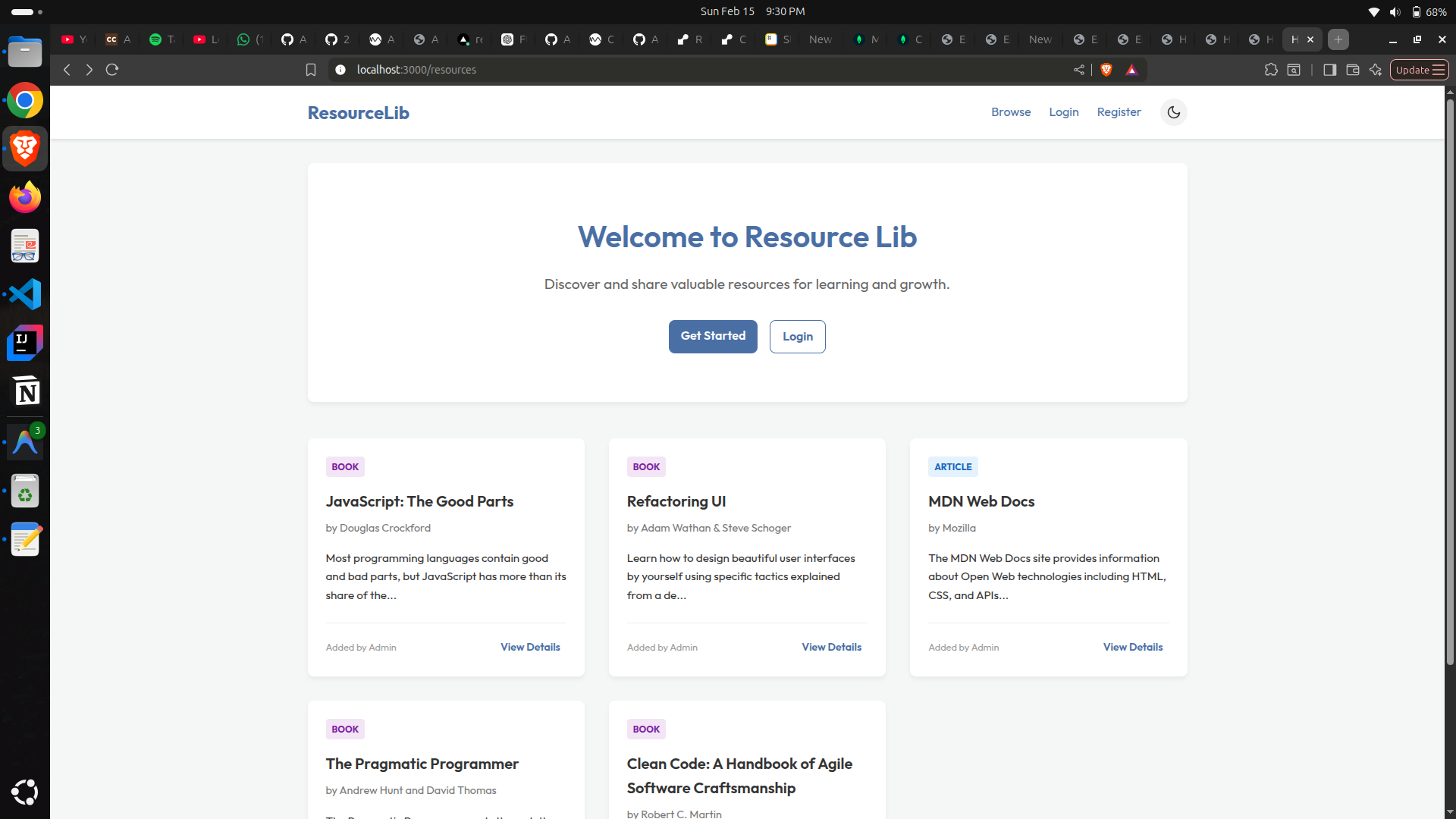
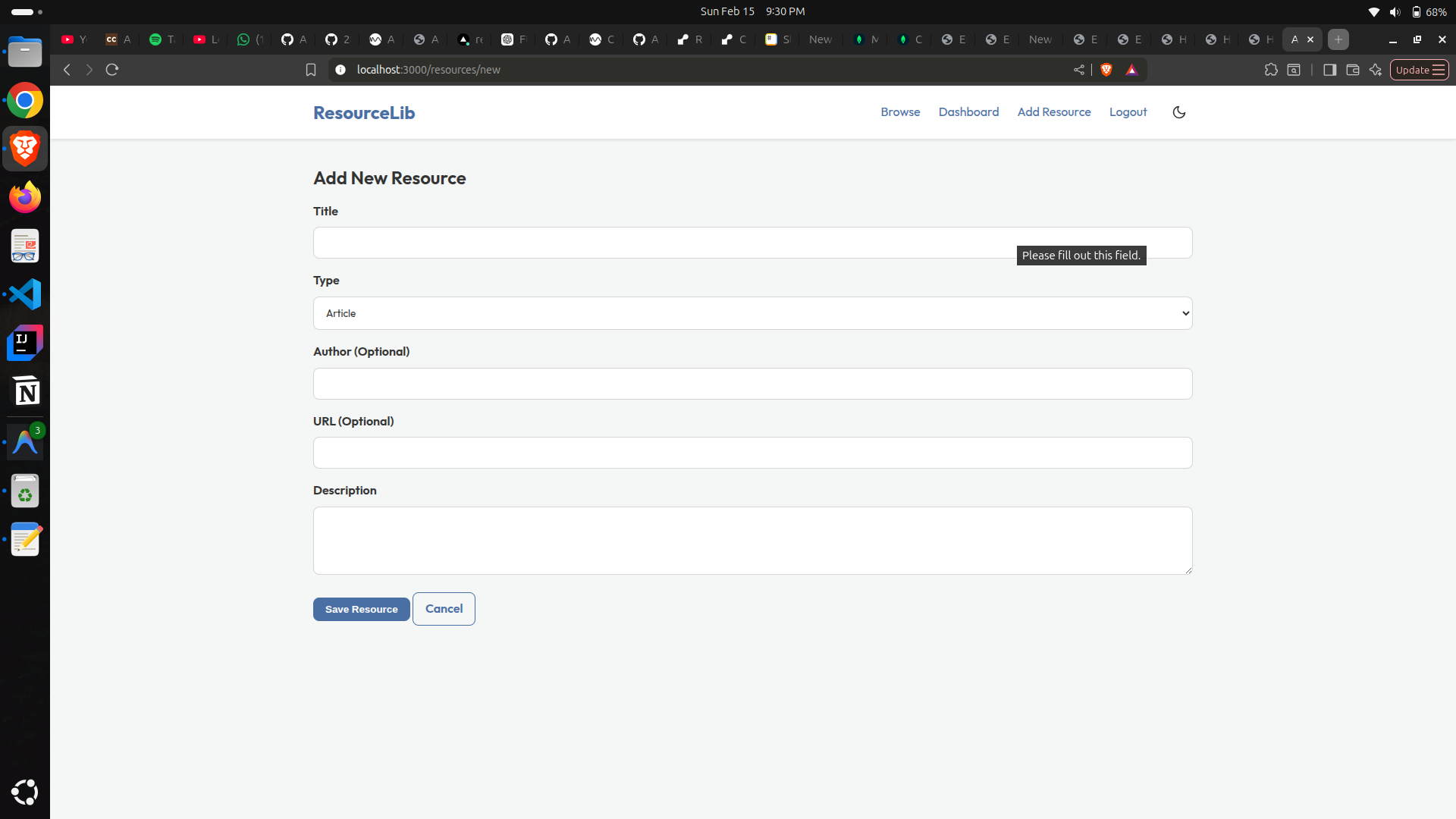
Built a resource library web application using Express.js.
Features
- Browse educational resources and books
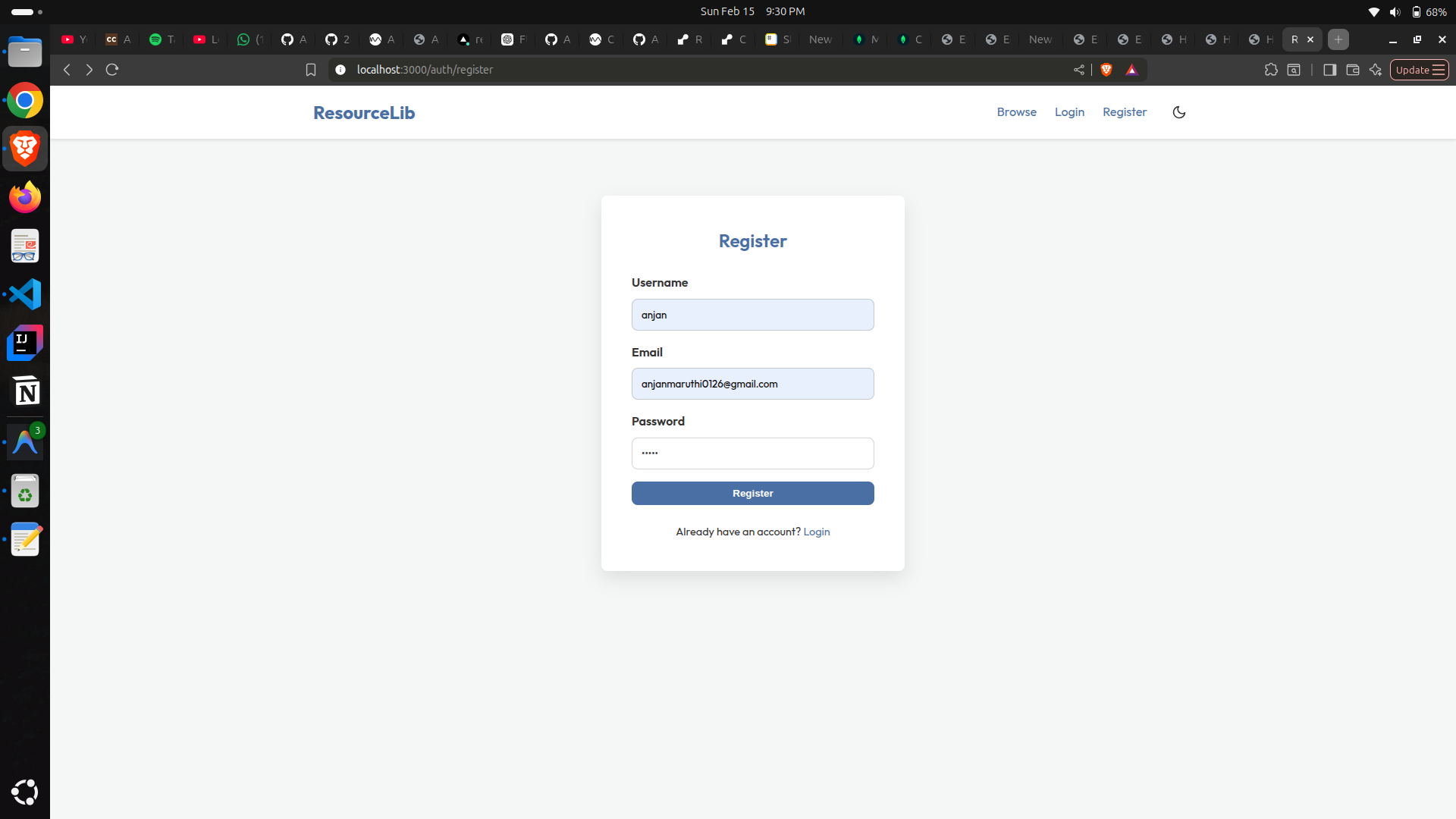
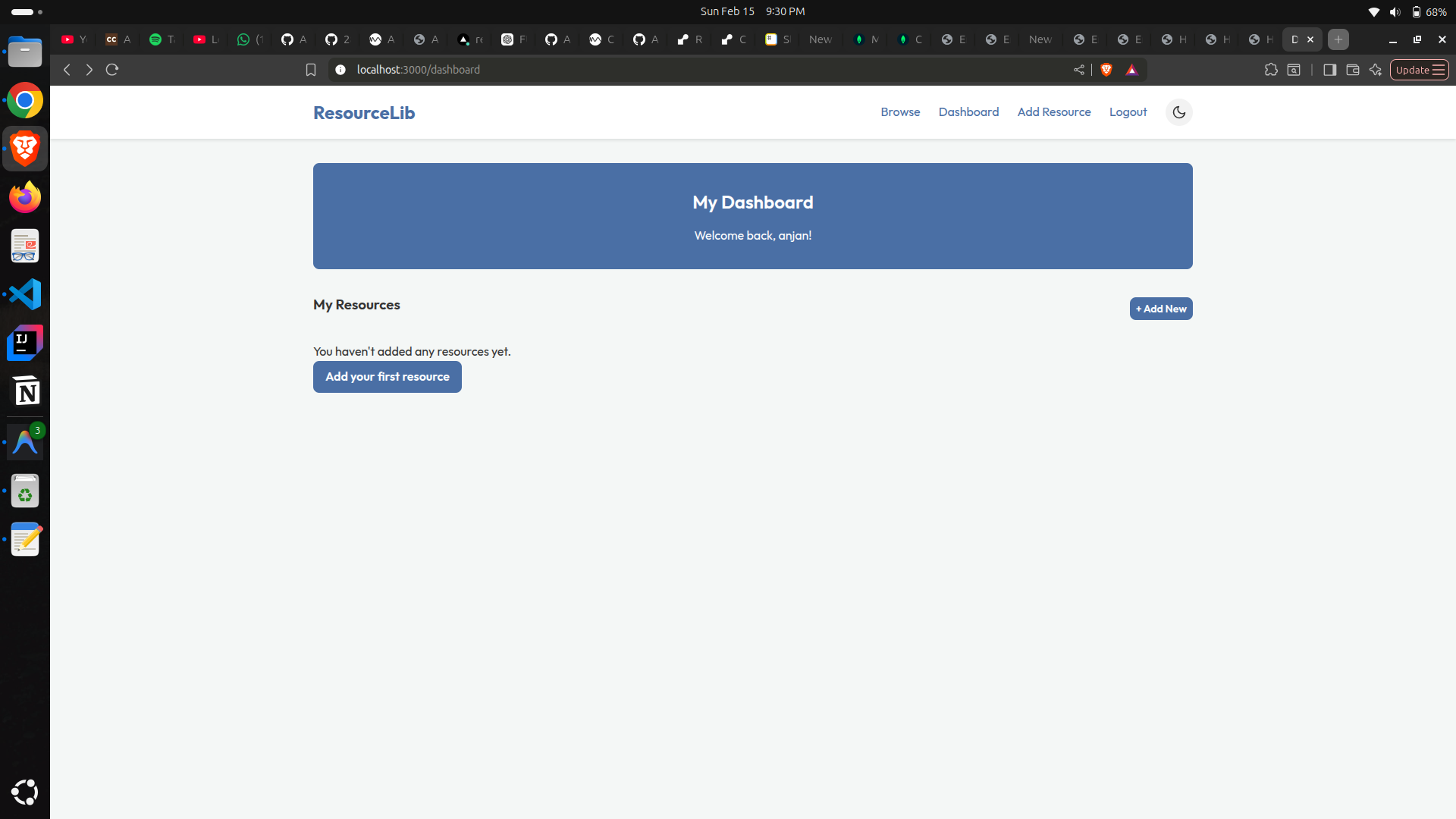
- User account management
- Backend routing and server setup