COURSEWORK
U's CL-CY-001 course work. Lv 1
| U Akash | AUTHOR | ACTIVE |
U.AKASH CL-CY Level 0 Report CSE'28
15 / 3 / 2026
TASK 1: 3D Printing
In this task I learned the basics of how a 3D printer works. I understood the concept of STL files which represent the 3D model of an object used for printing.
I also learned how slicing software like Ultimaker Cura or Creality Slicer converts an STL file into G-code instructions for the printer.
I explored important printer settings such as bed temperature, nozzle temperature and infill density which affect print quality and strength.
I also studied different 3D printing technologies like FDM, SLA and SLS. This task helped me understand the overall workflow of preparing a model for 3D printing.
TASK 2: API
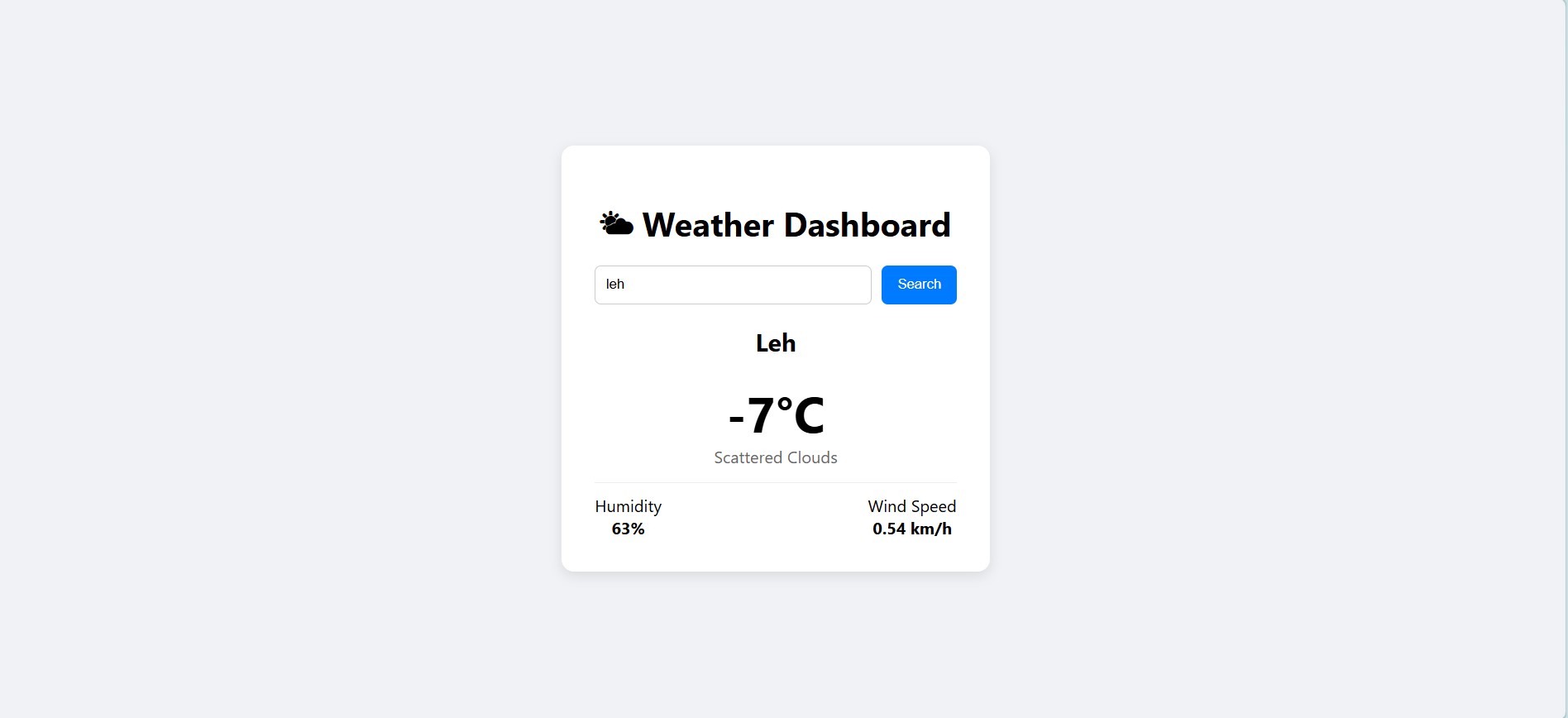
An API (Application Programming Interface) is basically a set of rules that lets different software applications talk to each other. Instead of building every feature from scratch you can just request data or services from external systems that already have it. You see APIs everywhere — weather apps, payment gateways, Google Maps, social media logins For this task I used the OpenWeatherMap API to build a Weather Dashboard that fetches and displays real-time weather data. It gives the following details
- temperature
- humidity
- wind speed
Images
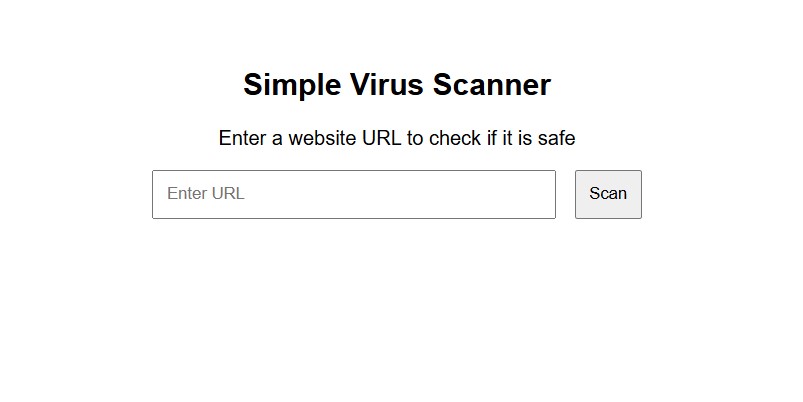
I also experimented with building a Simple Virus Scanner using the VirusTotal API where a user can enter a URL and the app submits it report.
TASK 3: Working with Github
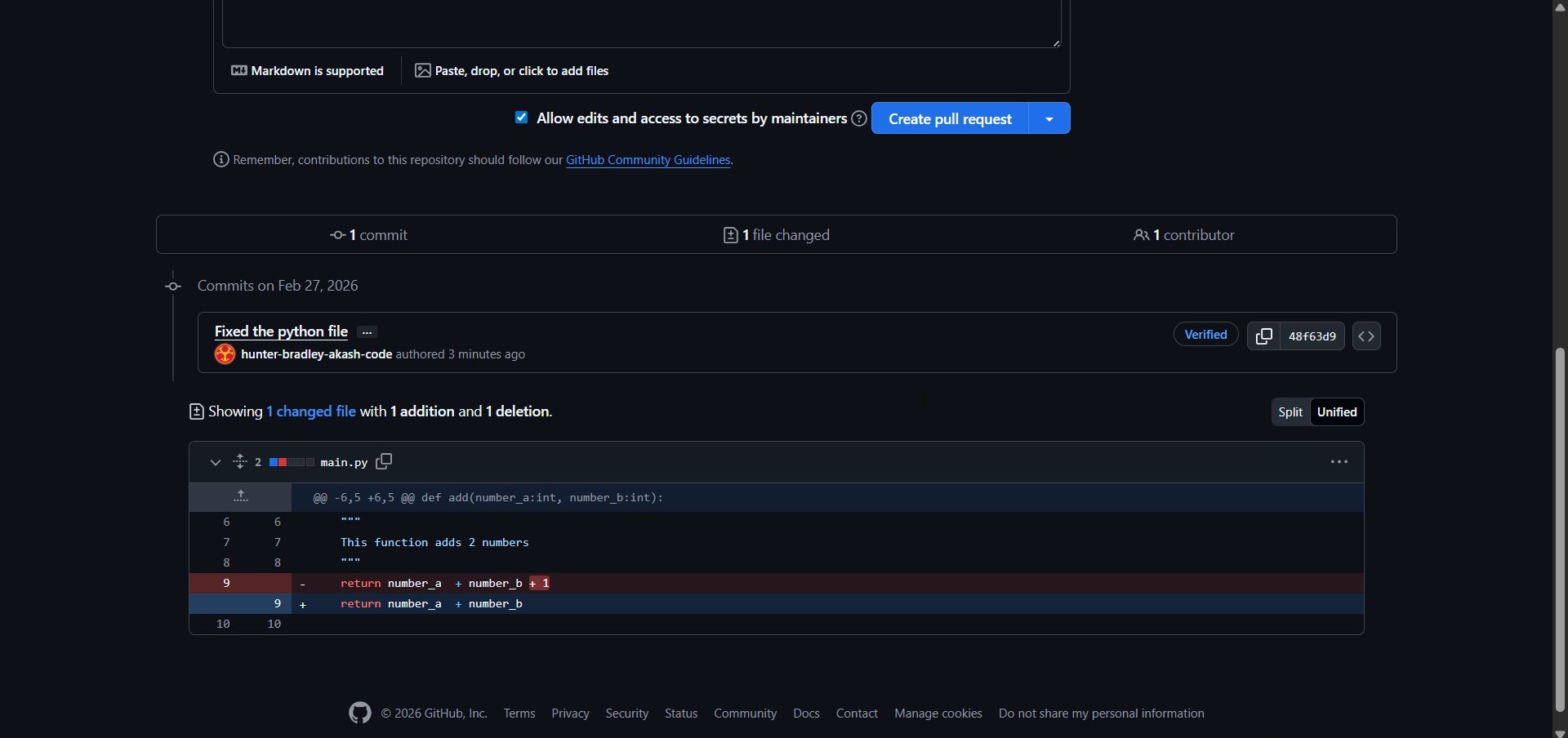
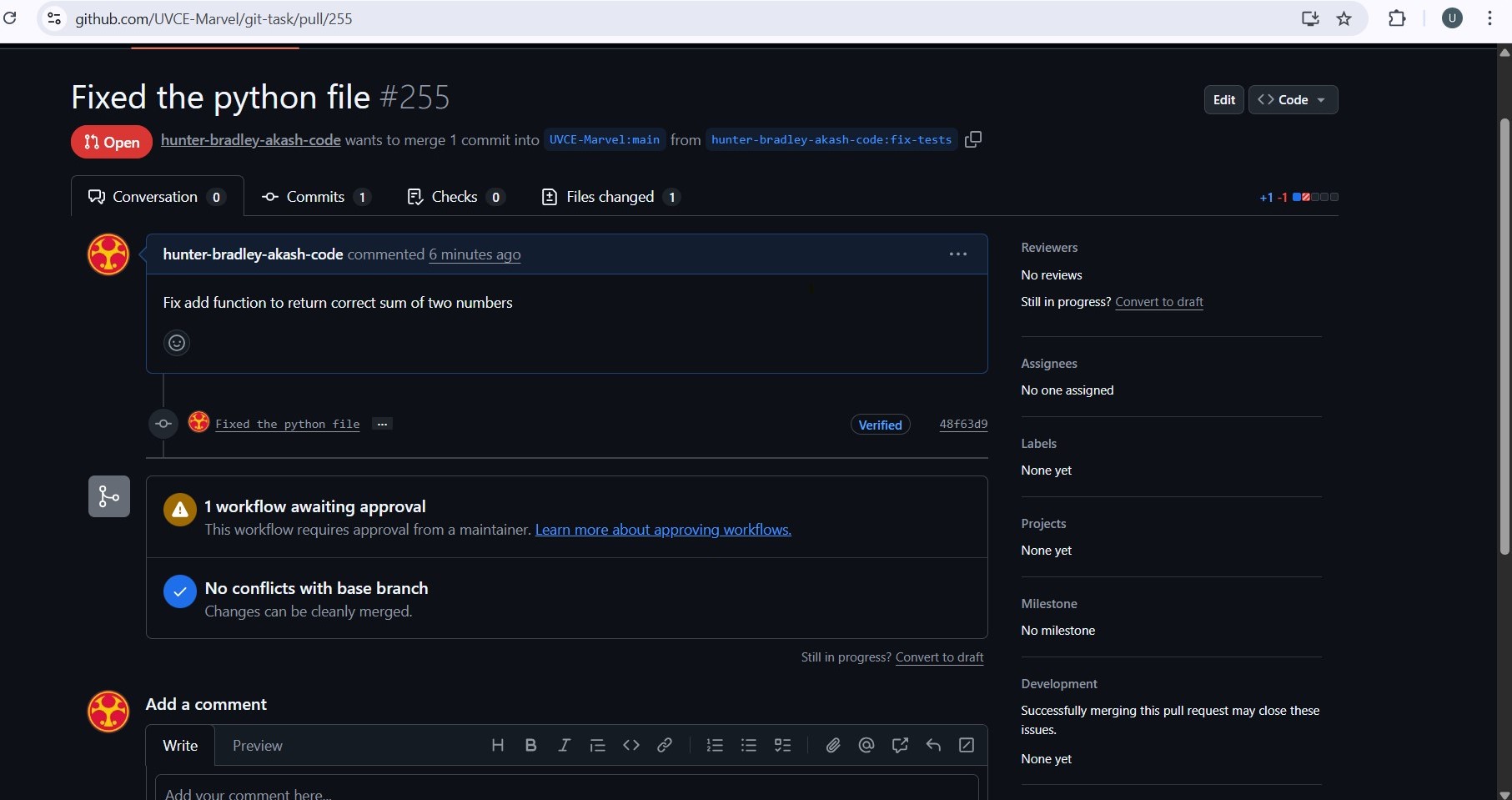
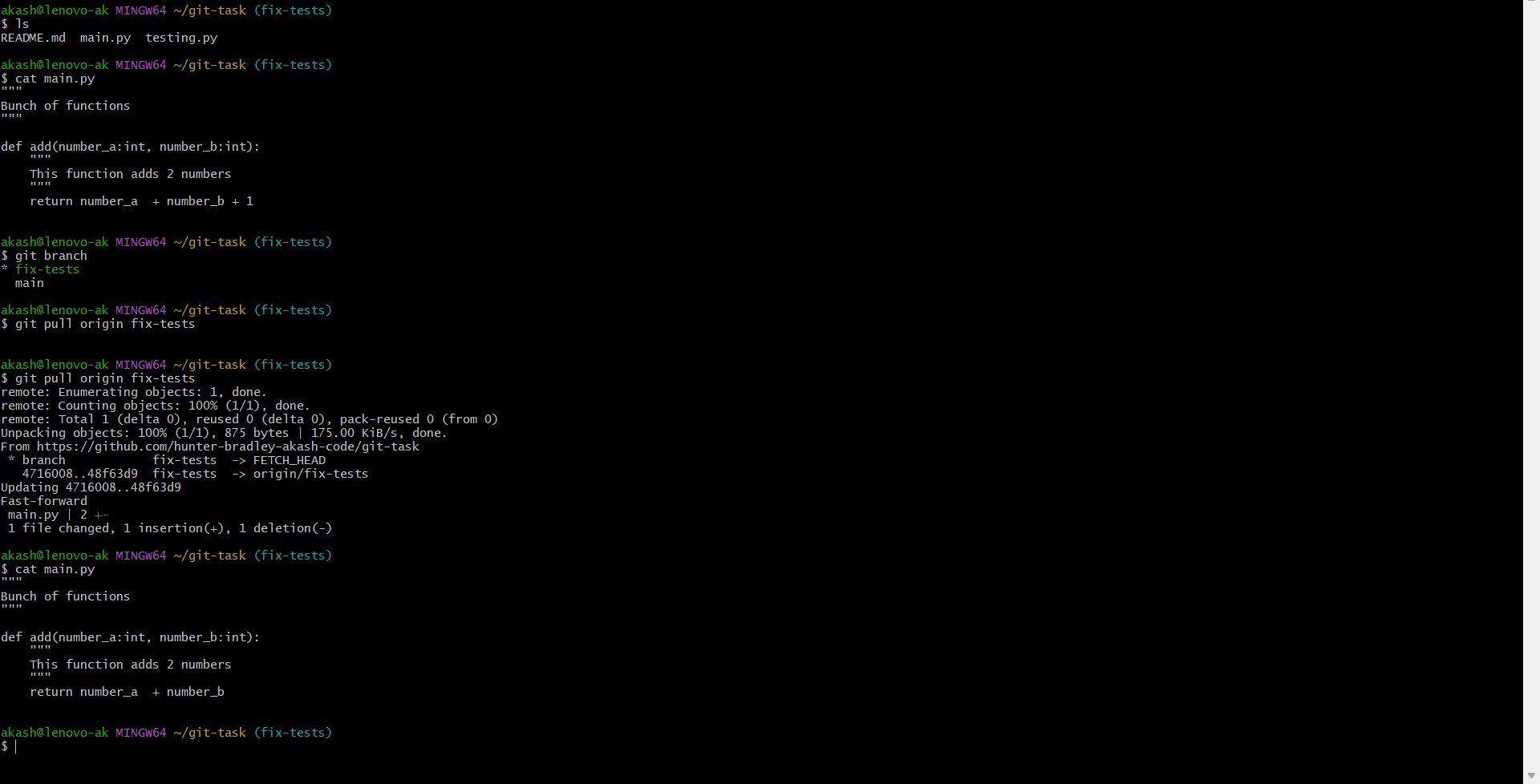
In this task I learned how to use Git and GitHub to fix an issue in a repository and contribute through a pull request. The repository contained a Python file (main.py) with a function that adds two numbers which had an error. I edited the file and corrected the code so that it properly returns the sum of the two numbers.
After fixing the issue I committed the changes to a branch and created a pull request on GitHub. This task helped me understand how to identify bugs edit files in a repository, commit changes and contribute to a project using GitHub.
Images
TASK 4: Get familiar with the command line on ubuntu
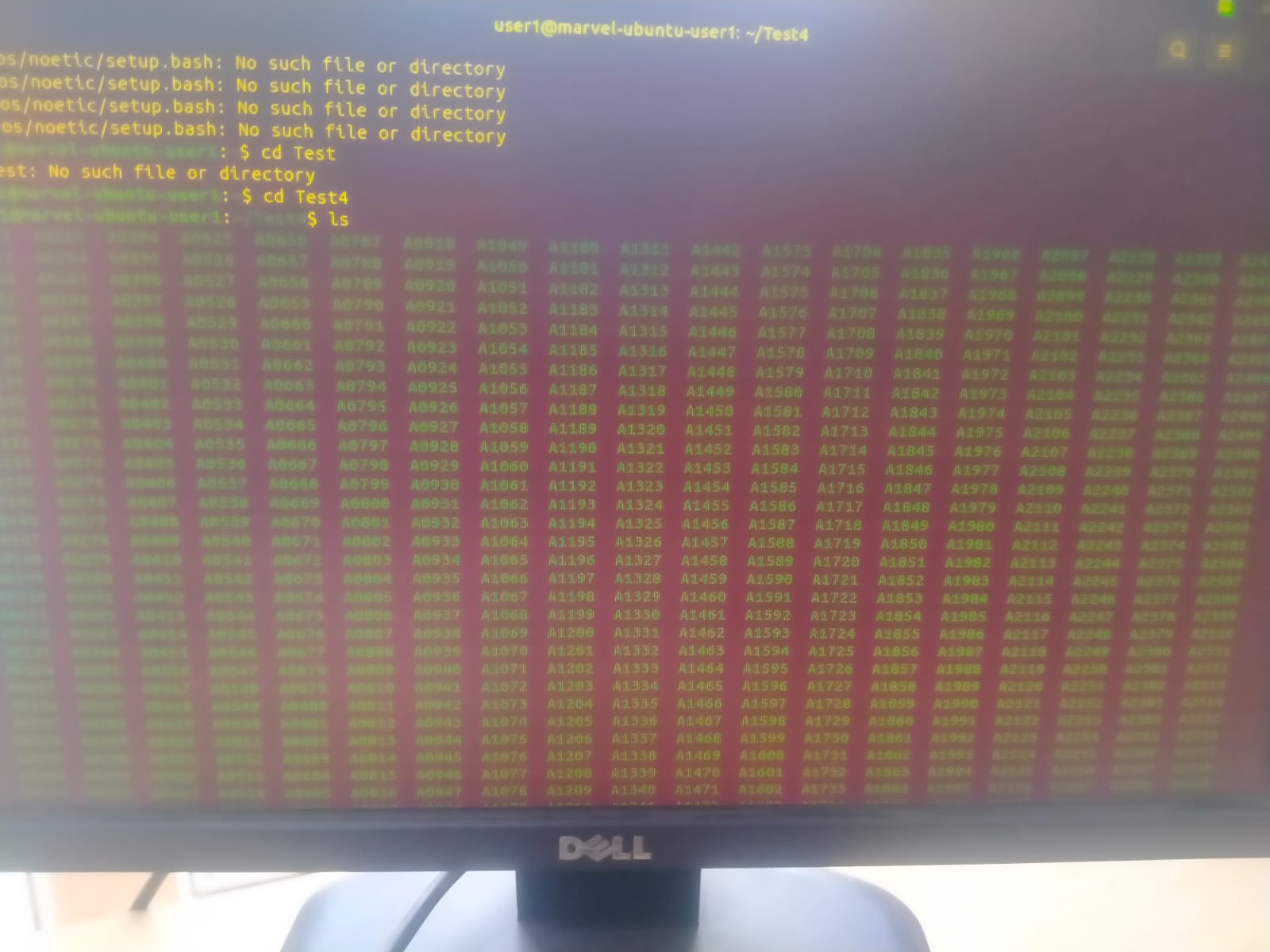
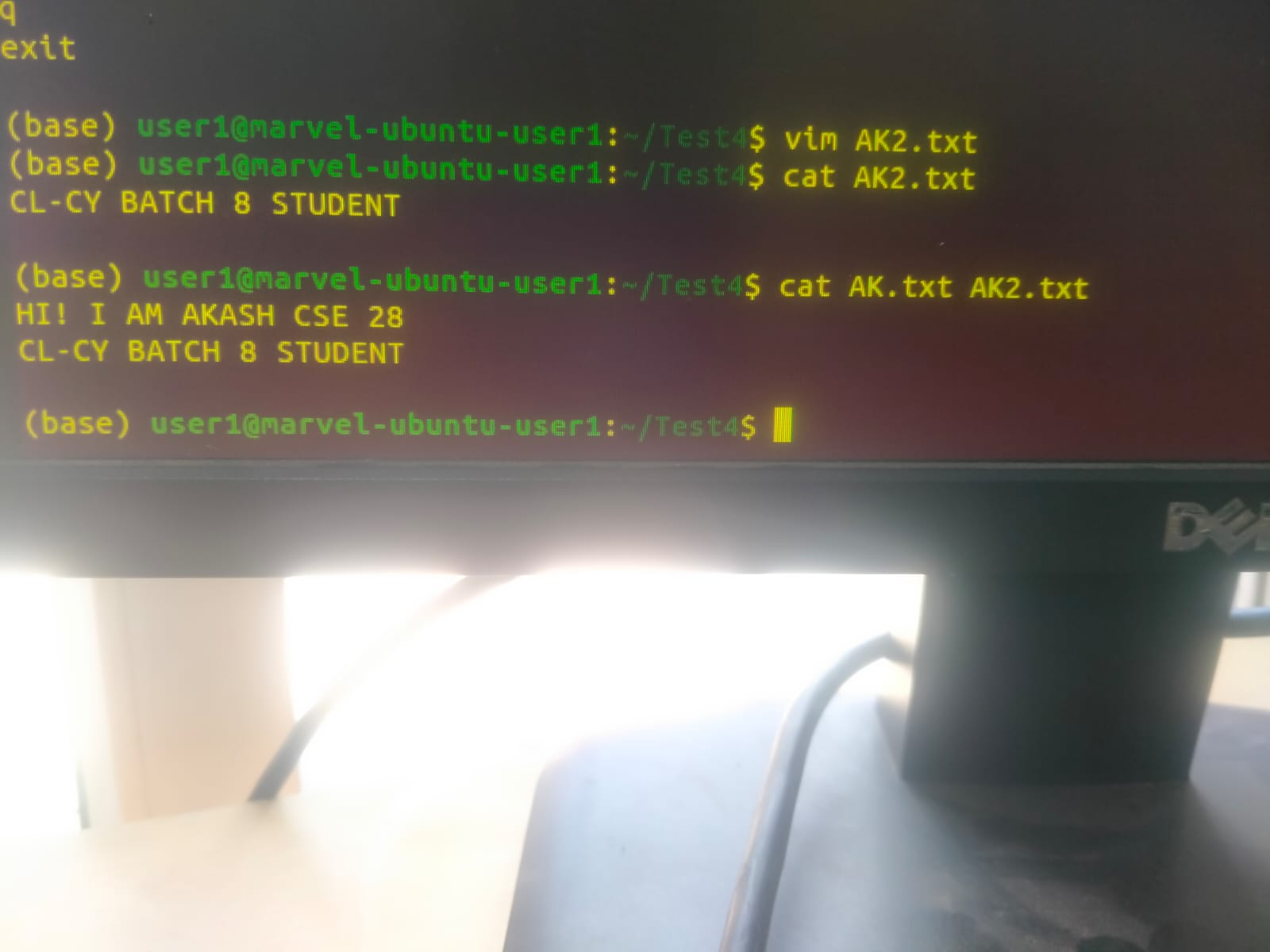
In this task I learned how to work with files using basic Linux terminal commands. I navigated to a directory using commands like cd and checked the files using ls. Then I created and edited text files (AK.txt and AK2.txt) using the vim editor and added some text to them. After saving the files I used the cat command to display their contents. I also used cat AK.txt AK2.txt to view the contents of both files together. This task helped me understand basic file creation, editing and viewing operations in the Linux terminal.
Images
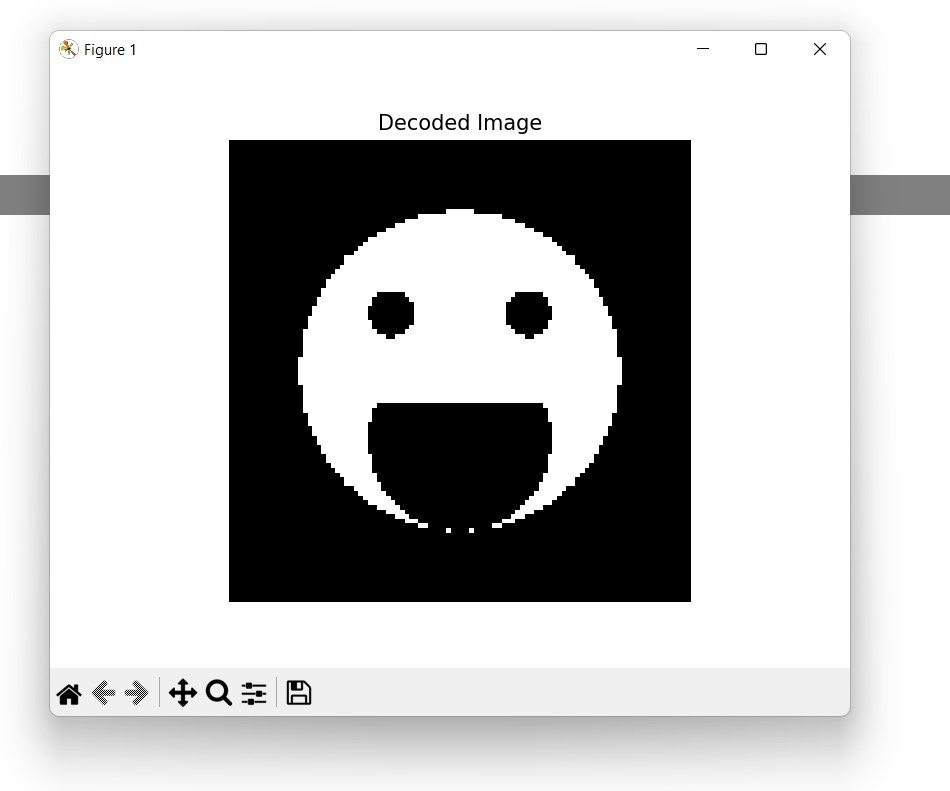
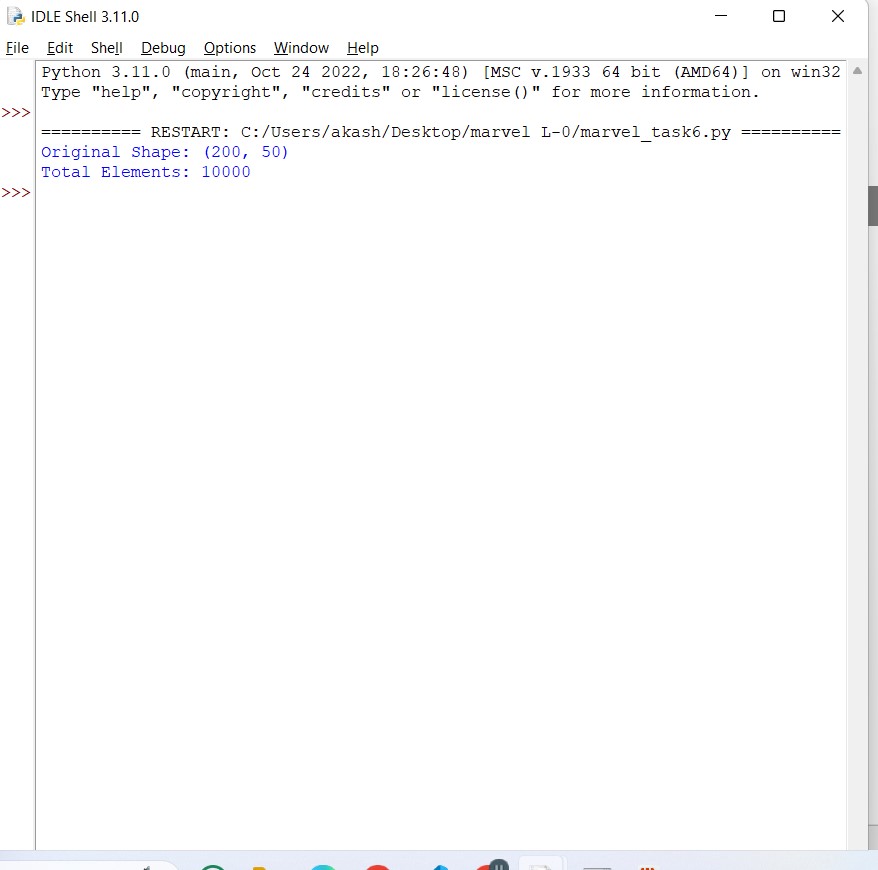
Task 6 : The Matrix Puzzle
In this task, I used Python with NumPy and Matplotlib to decode an encoded array. The array was loaded from a .npy file and
its shape and total elements were checked. Then the array was reshaped into a 100 × 100 matrix and rotated to get the correct orientation.
Finally the decoded image was displayed.
Images
TASK 7: Create a Portfolio Webpage
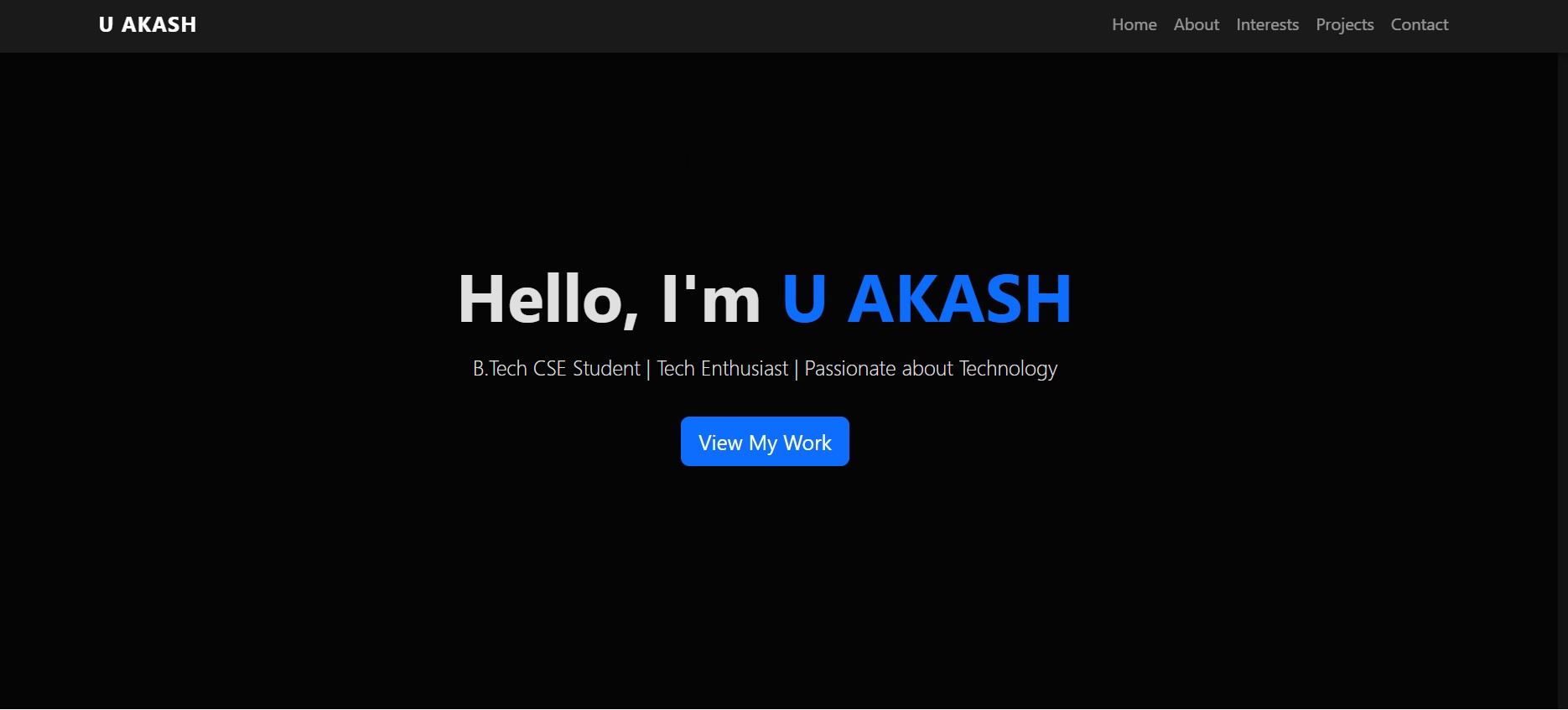
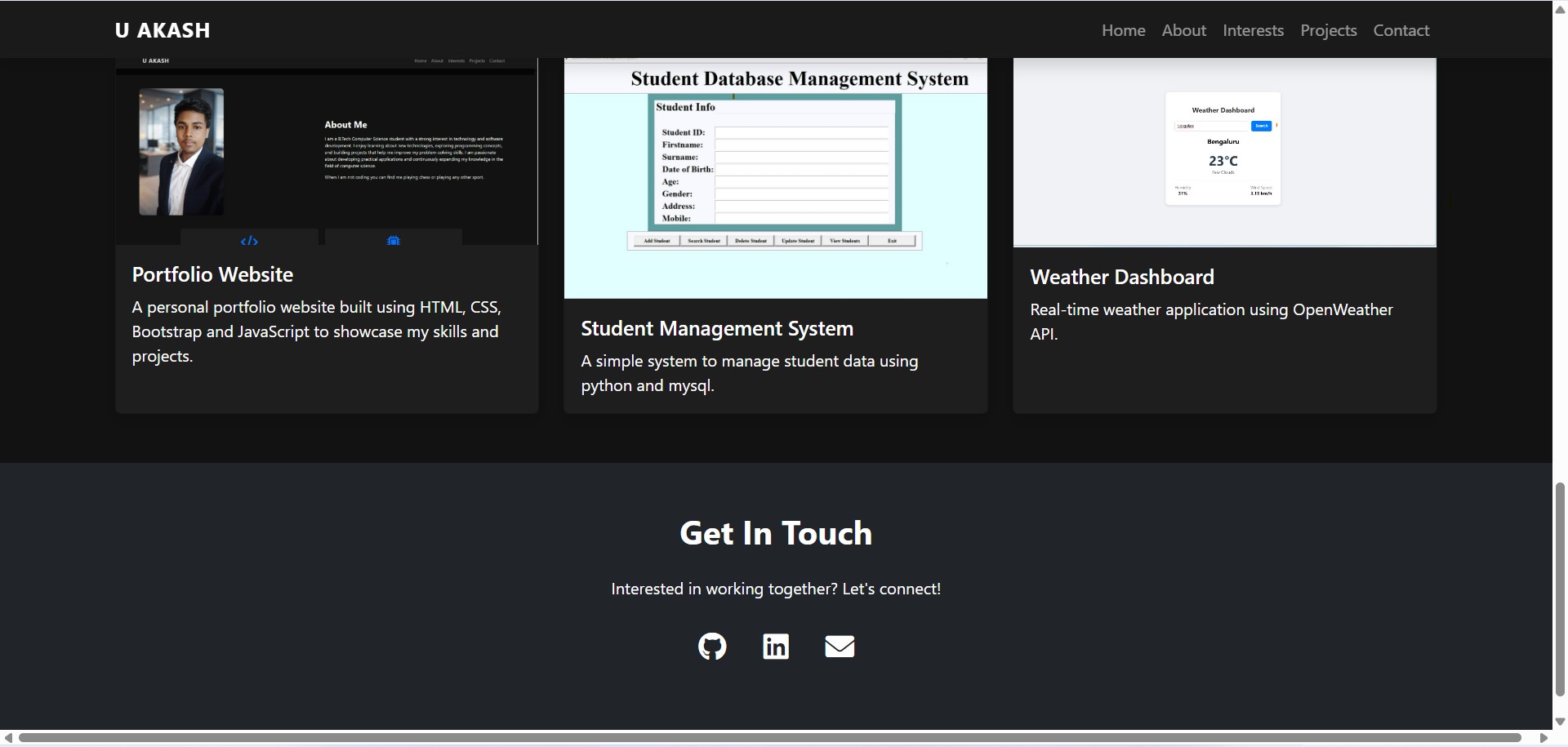
In this task I created a personal portfolio website to showcase my skills and projects. The website includes sections like Home, About Me, Interests, Projects and Contact. It was built using HTML, CSS and JavaScript.This task helped me understand how to design and organize a personal website to present my work.
Images
 click here to view the website
TASK 8: Writing Resource Article using Markdown
In this task I created a resource article using Markdown about the MQ135 Gas Sensor. The article explains the sensor’s introduction, detectable gases, technical specifications, construction, working principle, pin configuration, Arduino interfacing, applications, advantages and limitations. Markdown formatting was used to organize the content with headings, lists, tables and code blocks. This task helped me learn how to write structured technical documentation and present hardware information clearly using Markdown.
Task 9: Tinkercad
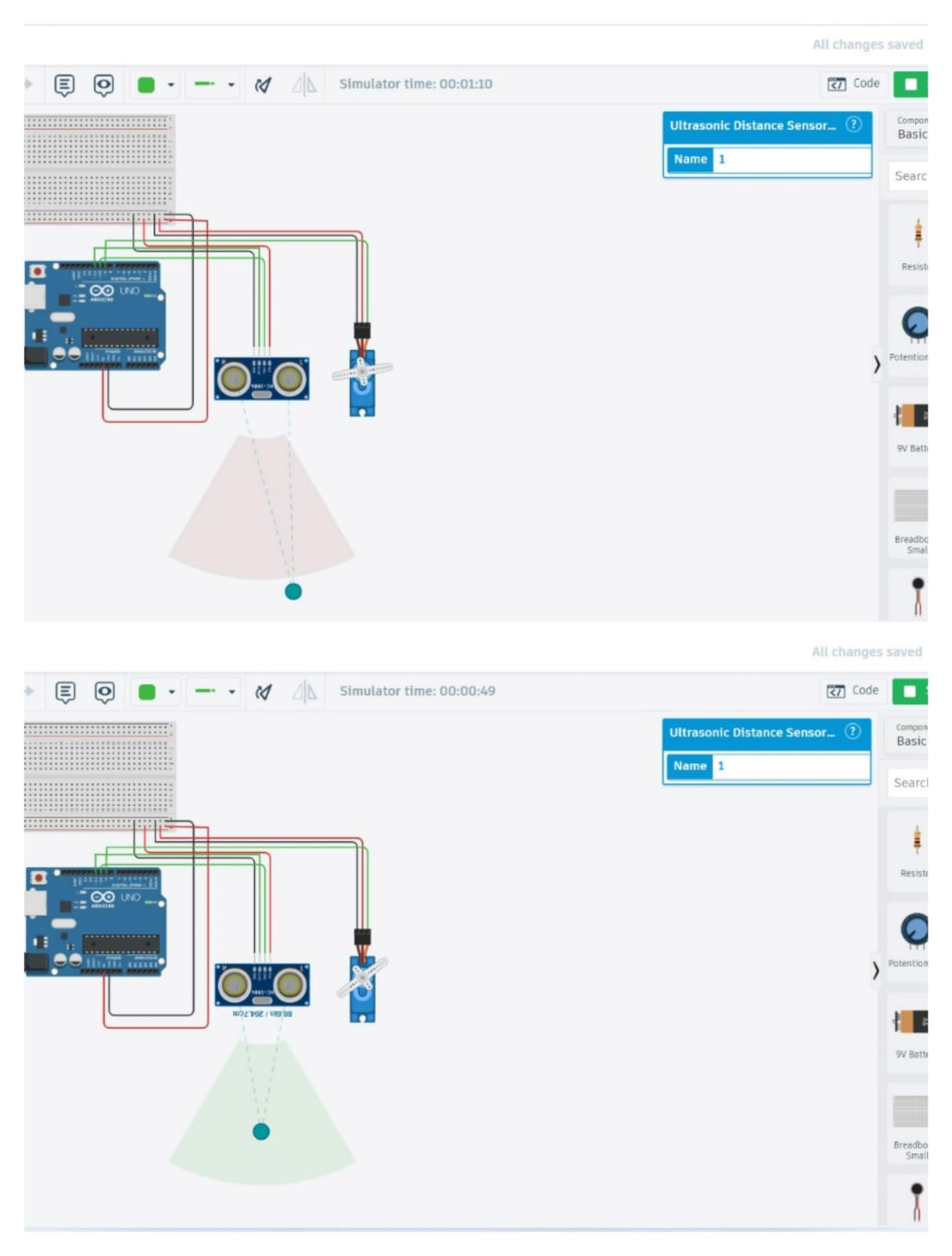
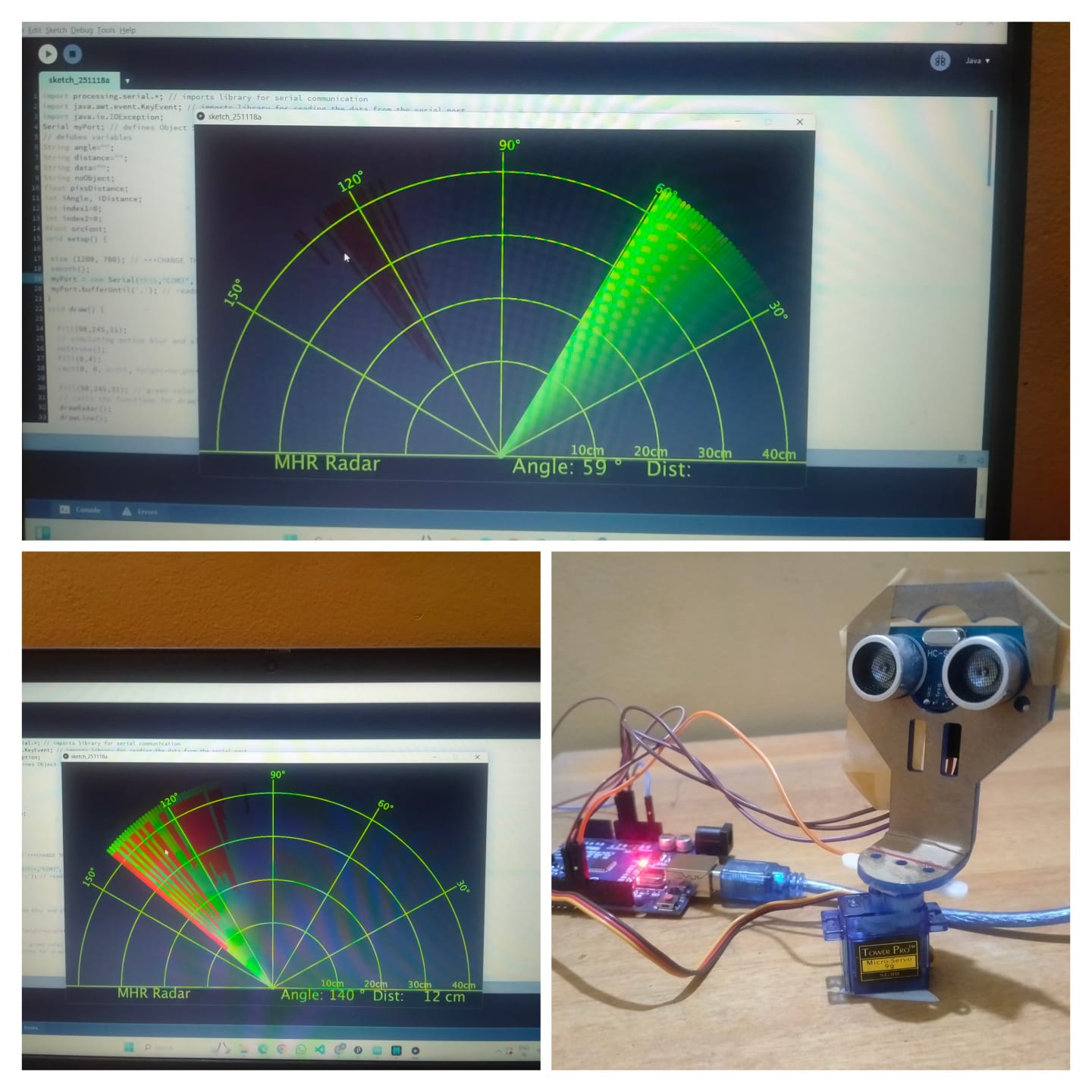
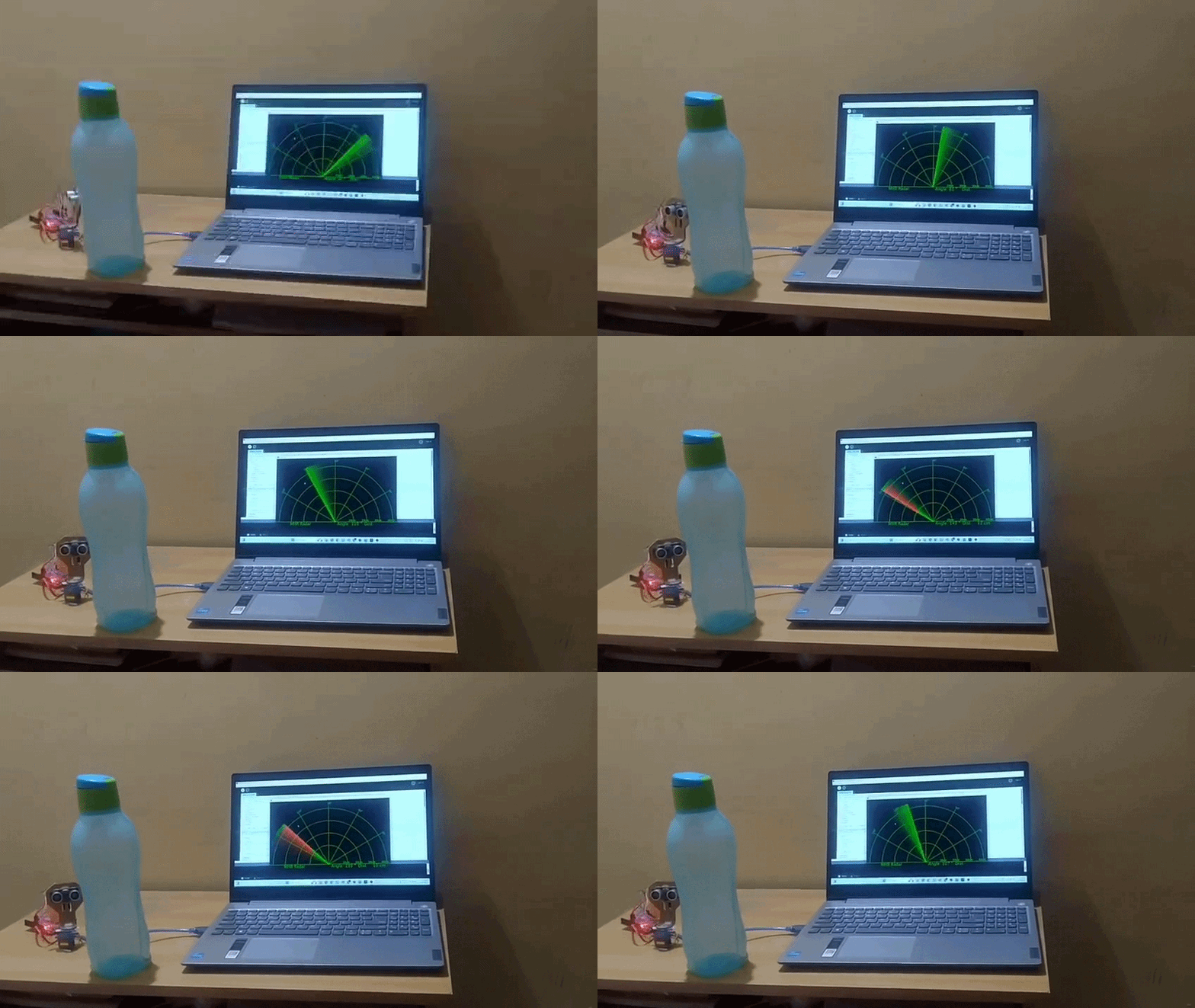
In this task I created a Tinkercad account and explored the platform to understand basic circuit simulations. I first studied the example circuits and then simulated a simple circuit using an ultrasonic sensor to measure the distance between the sensor and an obstacle. I also created a radar system using an ultrasonic sensor and a servo motor where the servo rotates the sensor to scan a wider area and detect objects within range. This task helped me understand sensor simulation and basic hardware interfacing using Tinkercad.
Images
TASK 10: Speed Control of DC Motor
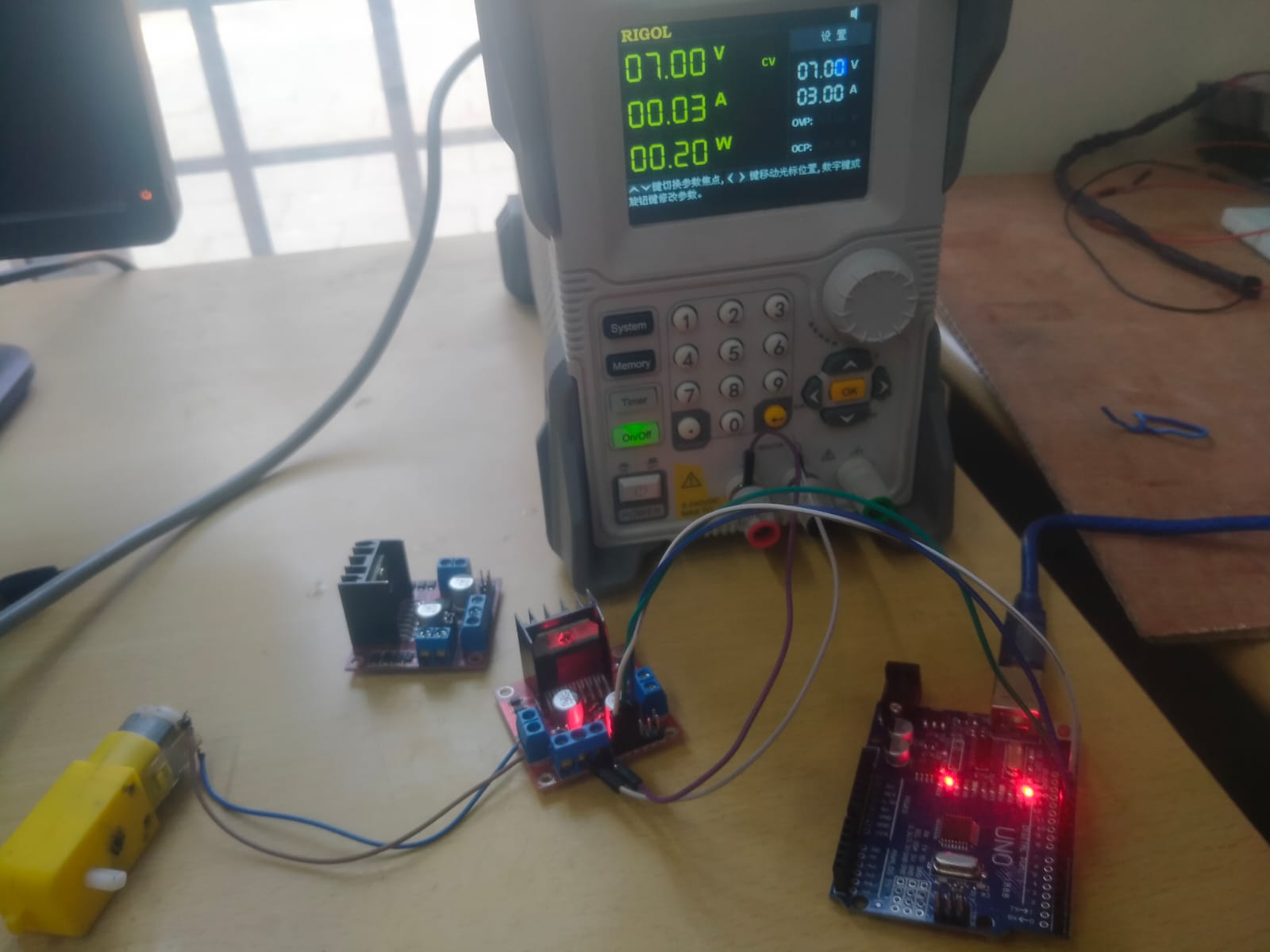
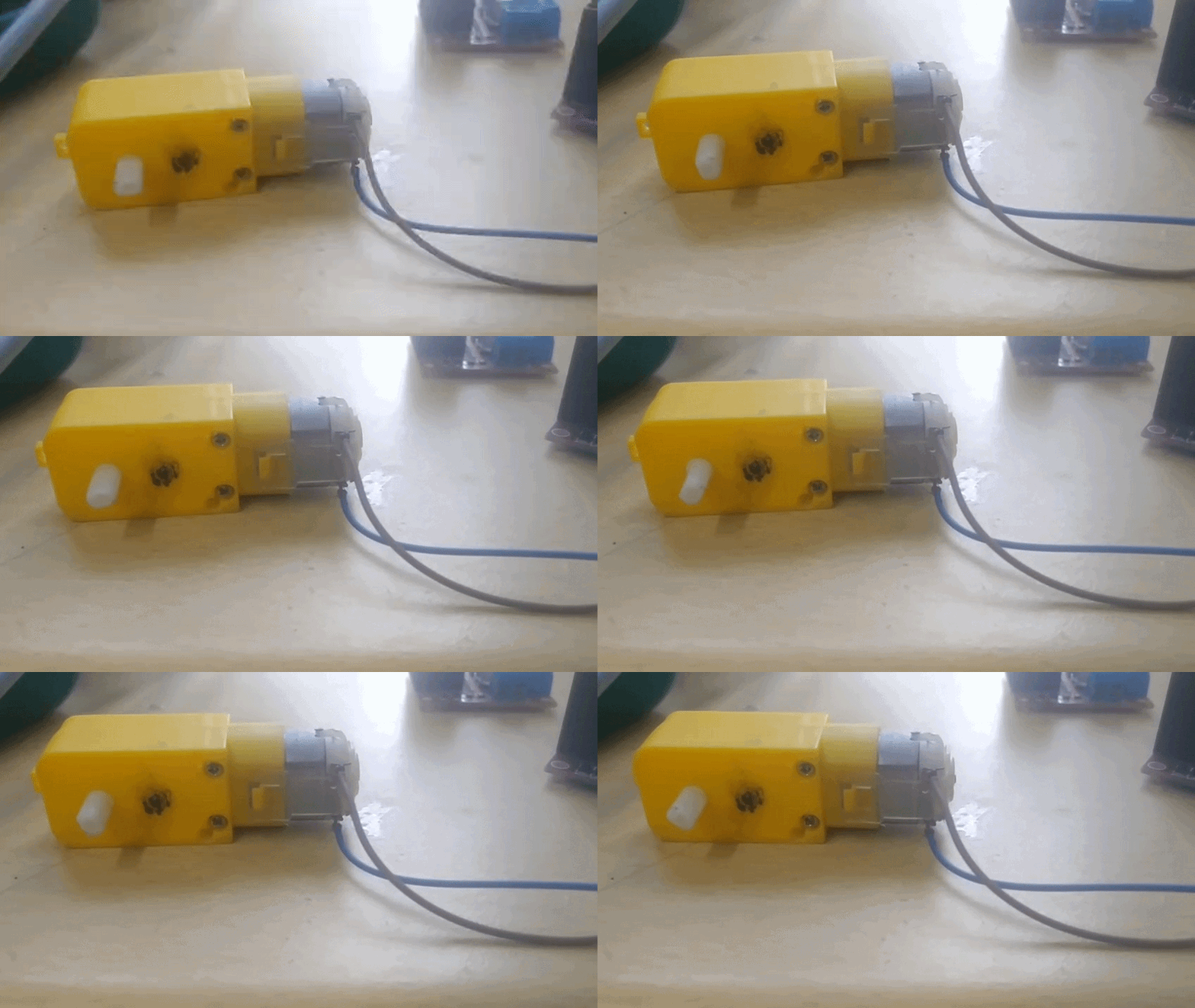
In this task I controlled the speed of a DC motor using an Arduino Uno and a motor driver module. The motor driver was connected between the Arduino and the DC motor to safely control the motor. PWM signals from the Arduino were used to vary the motor speed by changing the duty cycle. Different speed values were programmed in the code to increase and decrease the motor speed at intervals. This task helped me understand PWM-based motor speed control and interfacing motors with Arduino.
Images
TASK 11: LED Toggle Using ESP32
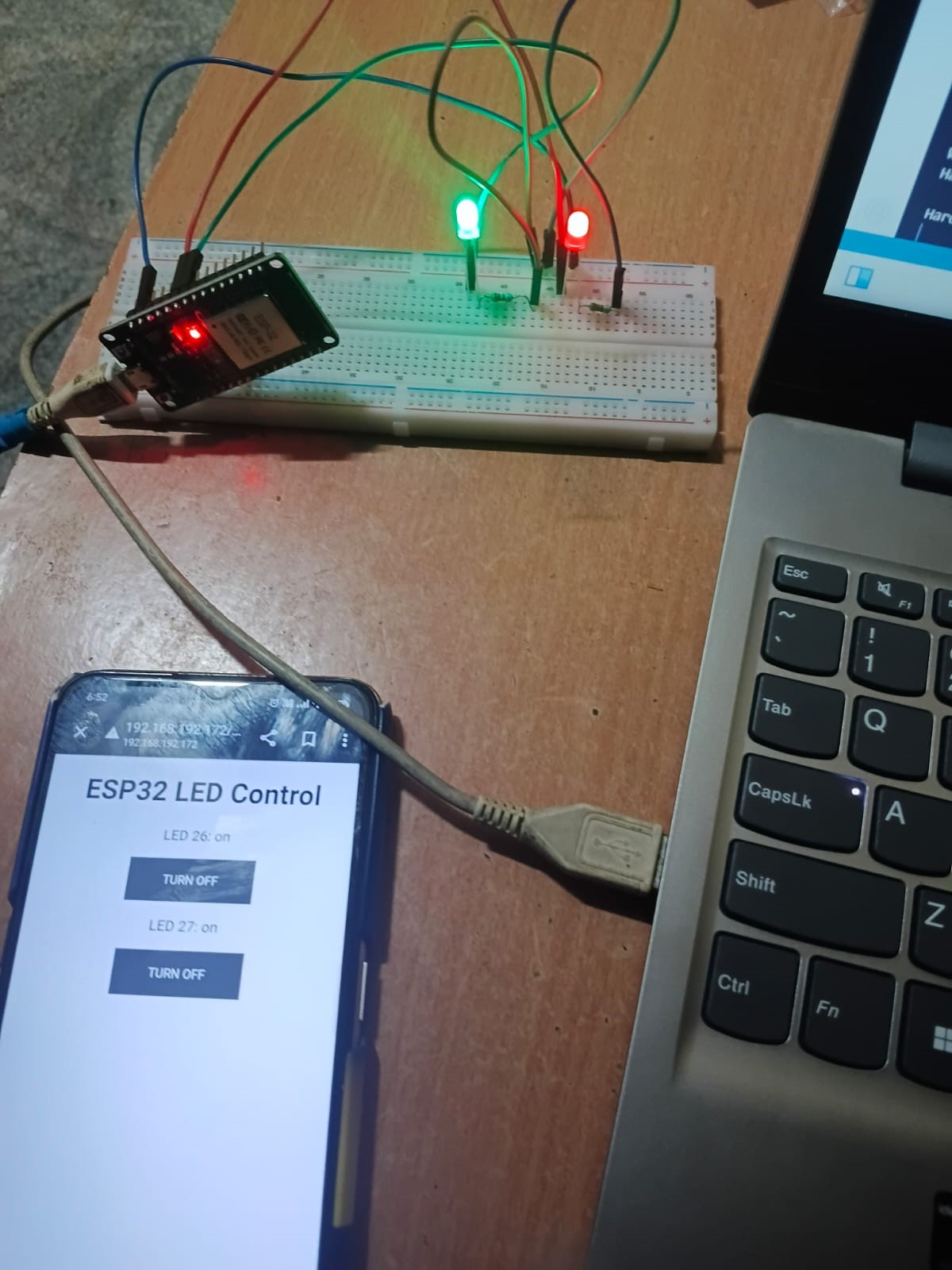
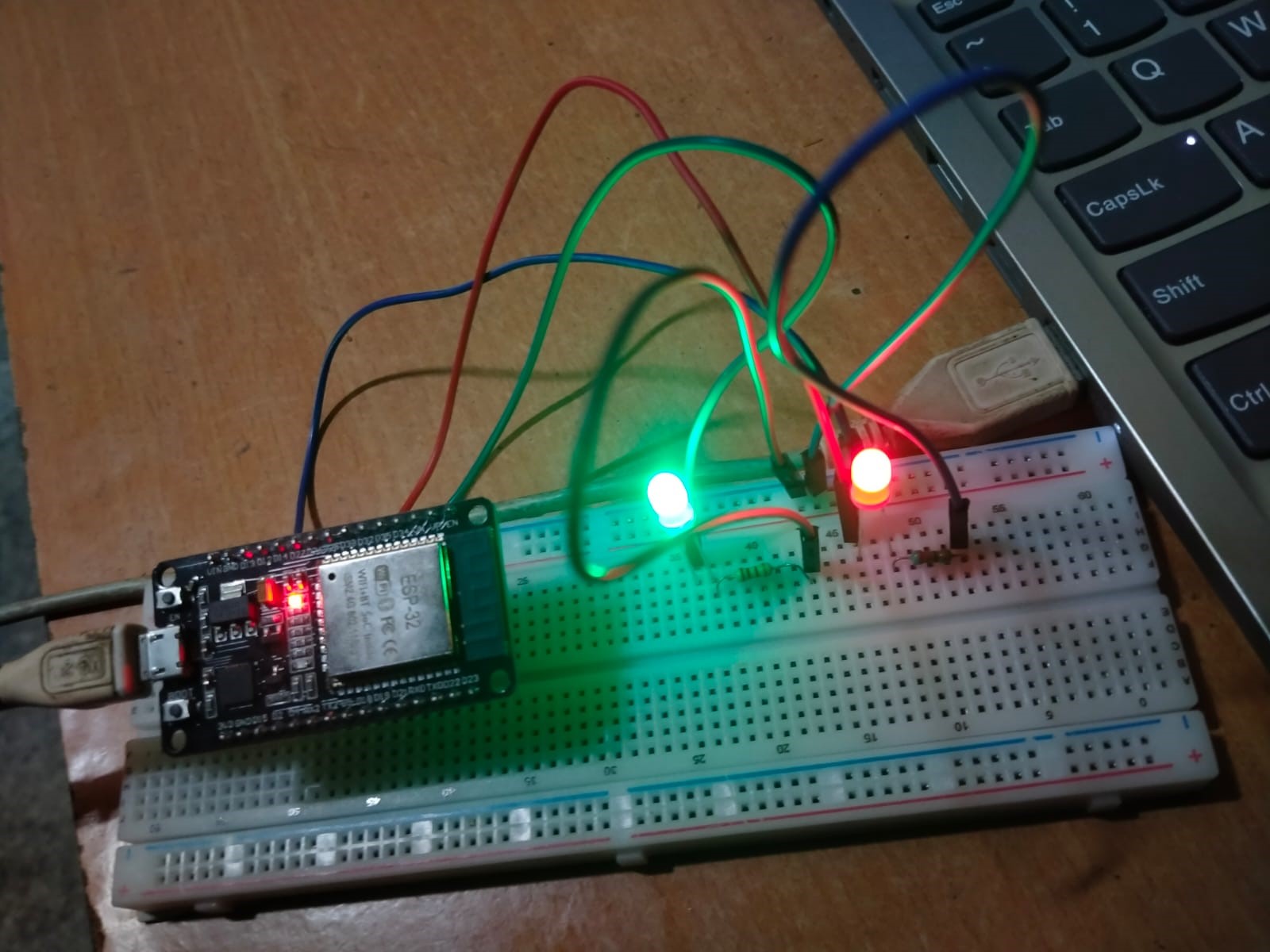
In this task I controlled LEDs using an ESP32 microcontroller through a web interface. The ESP32 was connected to two LEDs on a breadboard using resistors. After connecting the ESP32 to a WiFi network a simple web server was created that allowed the LEDs to be turned ON or OFF from a mobile phone browser. When the user presses the button on the webpage the ESP32 receives the request and toggles the LED state accordingly. This task helped me understand ESP32 WiFi capabilities IoT-based device control, and web server communication with hardware.
Images
TASK 12: Soldering Prerequisites
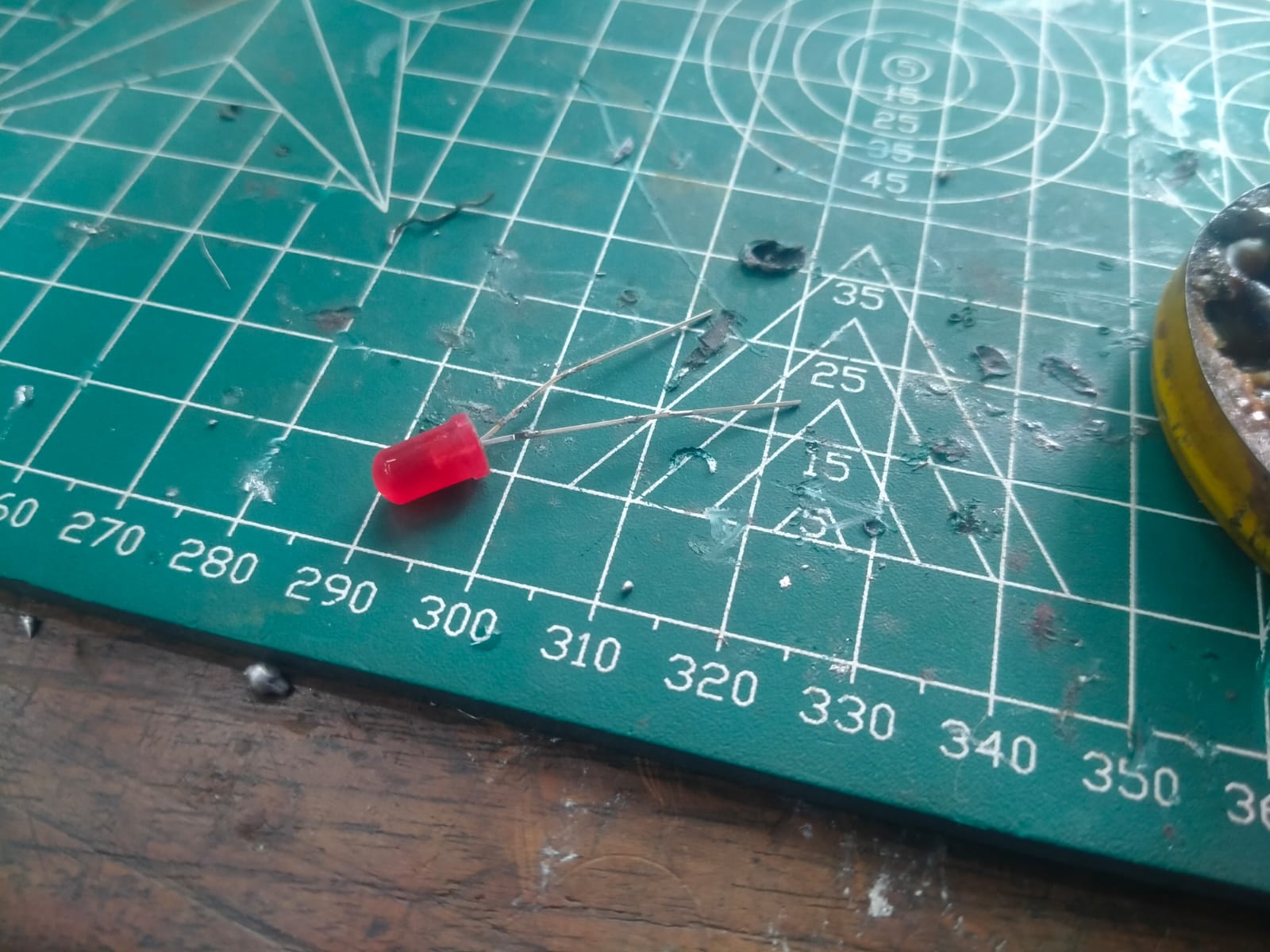
In this task I became familiar with basic soldering equipment such as the soldering iron, solder wire, rosin flux, holder etc... I practiced by desoldering an LED and soldering it back again. This helped me understand proper soldering techniques, heat control and safe handling of electronic components.
Images
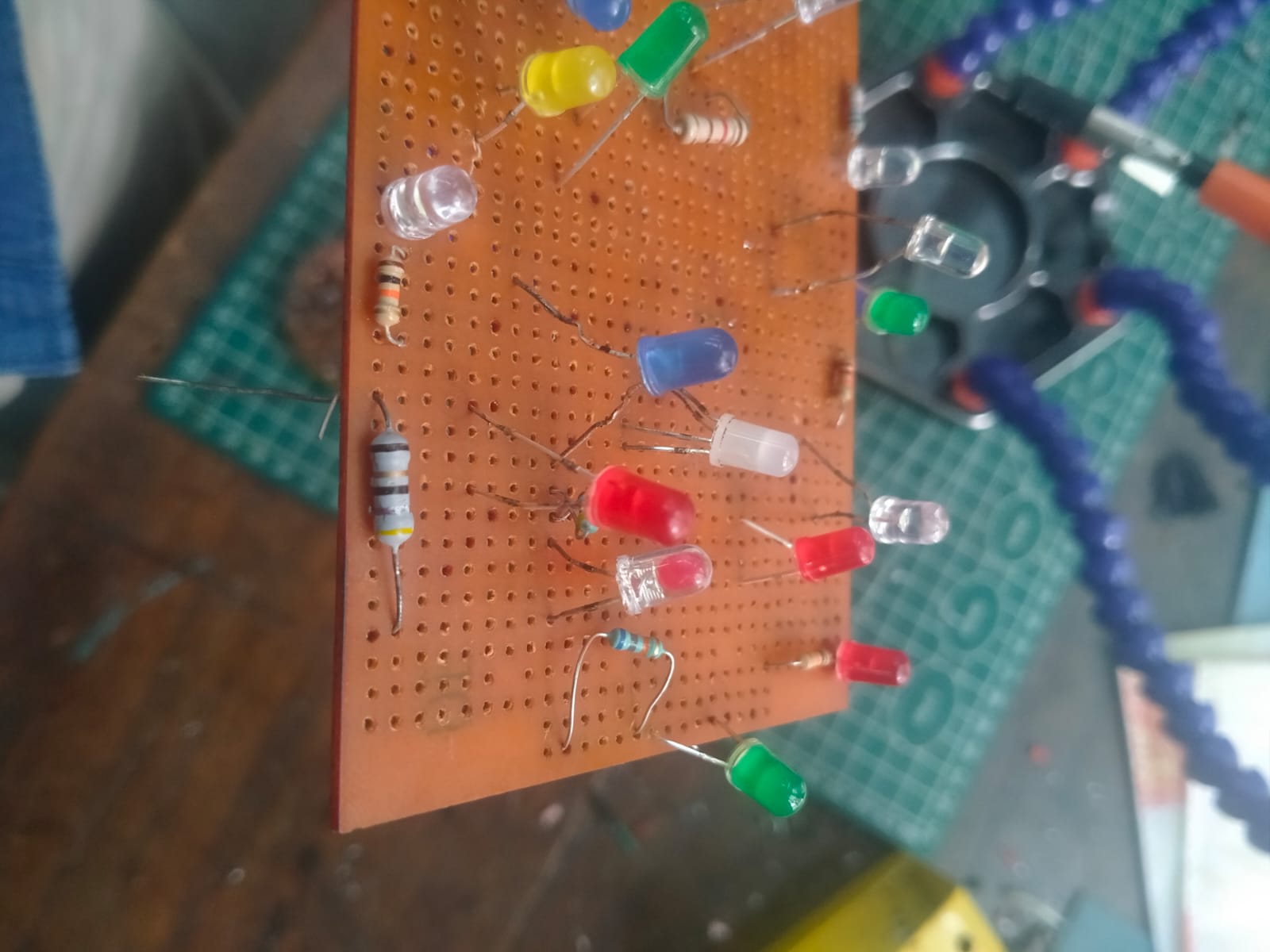
Task 13: 555 Astable Multivibrator (60% Duty Cycle)
For this task the objective was to design a 555 timer IC in astable mode with a duty cycle of around 60% build the circuit on a breadboard and observe the output waveform using a Digital Storage Oscilloscope (DSO). An astable multivibrator continuously generates a square wave signal by repeatedly charging and discharging a capacitor through resistors. I went through the provided resources and understood how the 555 timer works in astable mode how the resistor and capacitor values determine the frequency and duty cycle and how the output waveform can be observed on an oscilloscope. Although I did not get the chance to physically build and test the circuit the resources helped me understand the concept and the working of the 555 timer as an oscillator.
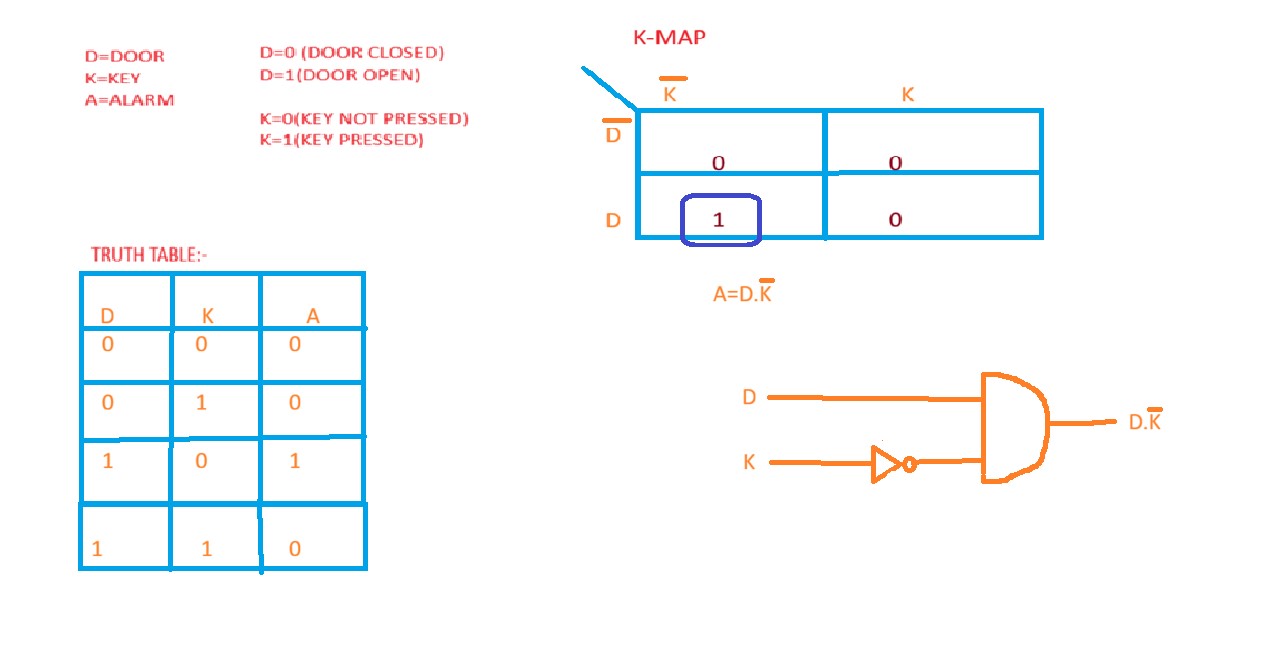
TASK 14: Karnaugh Maps and Deriving the logic circuit
In this task I learned how to simplify Boolean expressions using Karnaugh Maps (K-Maps). A truth table was first created using the variables D (Door), K (Key) and A (Alarm). Based on the truth table a Karnaugh Map was drawn to simplify the Boolean expression. The simplified expression obtained was A = D · K̅. Using this expression the corresponding logic circuit was designed using a NOT gate for K and an AND gate with input D and K̅ to generate the alarm output. This task helped me understand logic simplification and how to implement the simplified expression using digital logic gates.
Images
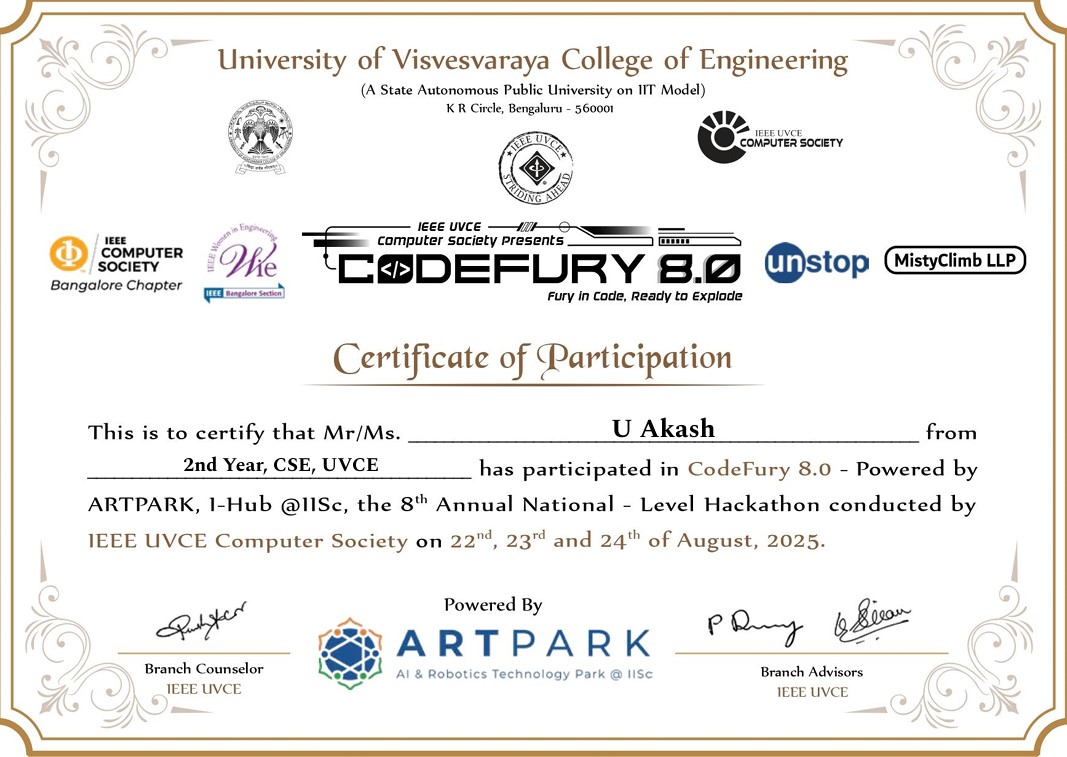
TASK 15: Active Participation
I actively participated in various technical events and activities. I took part in events such as IMPETUS 25.0, CodeFury 8.0 Hackathon and Strategy Sprint 2.0
organized by different technical societies at UVCE. These events helped me improve my problem-solving skills, teamwork and exposure to real-world technical
challenges. Through these participations I gained valuable experience and learning beyond regular coursework.
Images
Task 16: Datasheets Report Writing
In this task I studied the datasheet of the L293D motor driver IC and wrote a brief report about its working and features. The L293D is a dual H-bridge motor driver used to control the direction and speed of DC motors using microcontrollers. It acts as an interface between the microcontroller and the motor and also supports PWM-based speed control. This task helped me understand how to read datasheets and document the working of electronic components.
click here for report
Task 17: Introduction to VR
Through this task I understood that Virtual Reality is not limited to gaming but is a powerful tool that can transform industries such as education, healthcare, and manufacturing. The key difference between VR and AR. I also got the opportunity to experience VR present in the MARVEL. This practical exposure made the learning more meaningful.
click here for report.
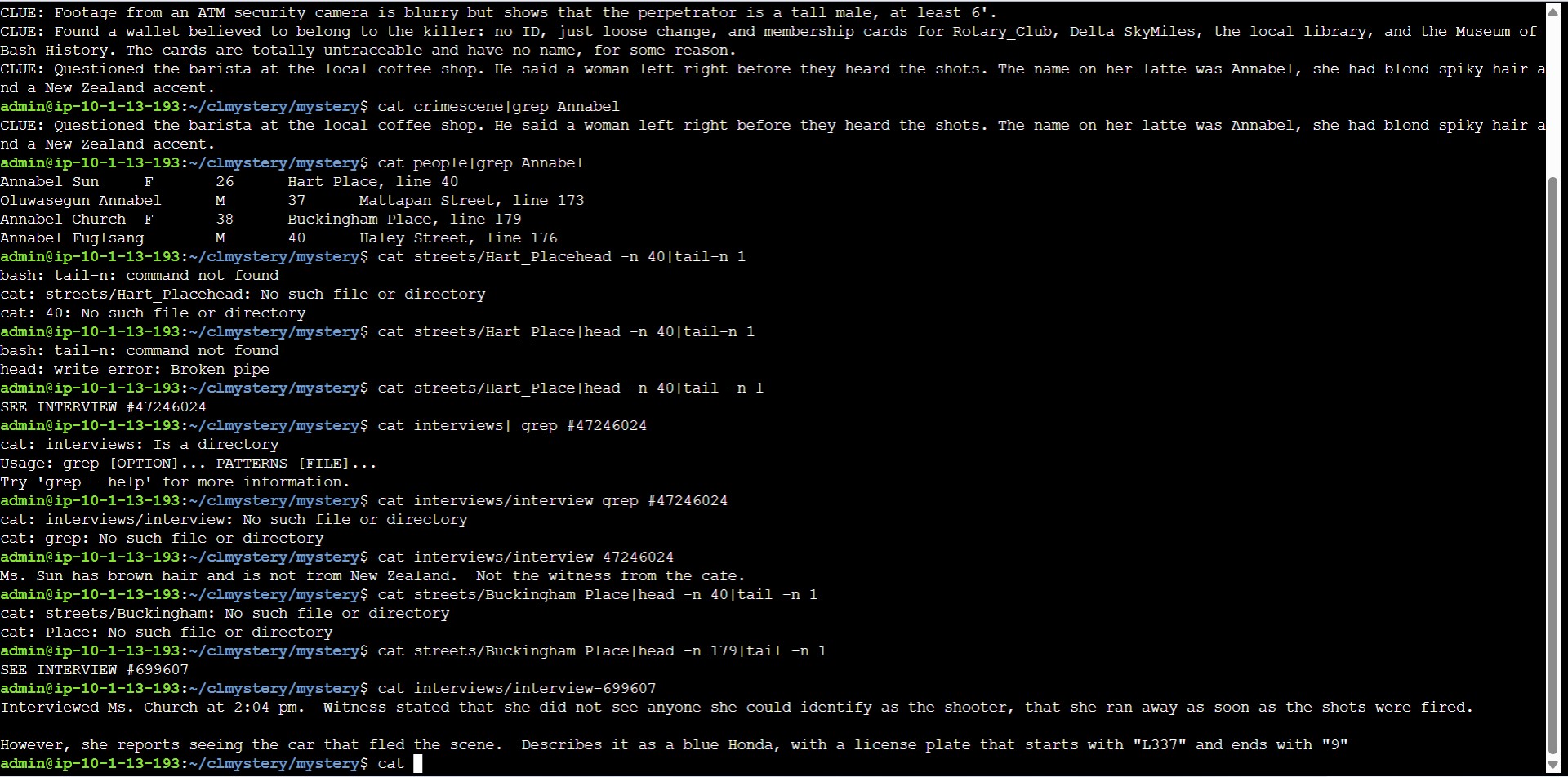
TASK 18: Sad Servers – Troubleshooting on Linux
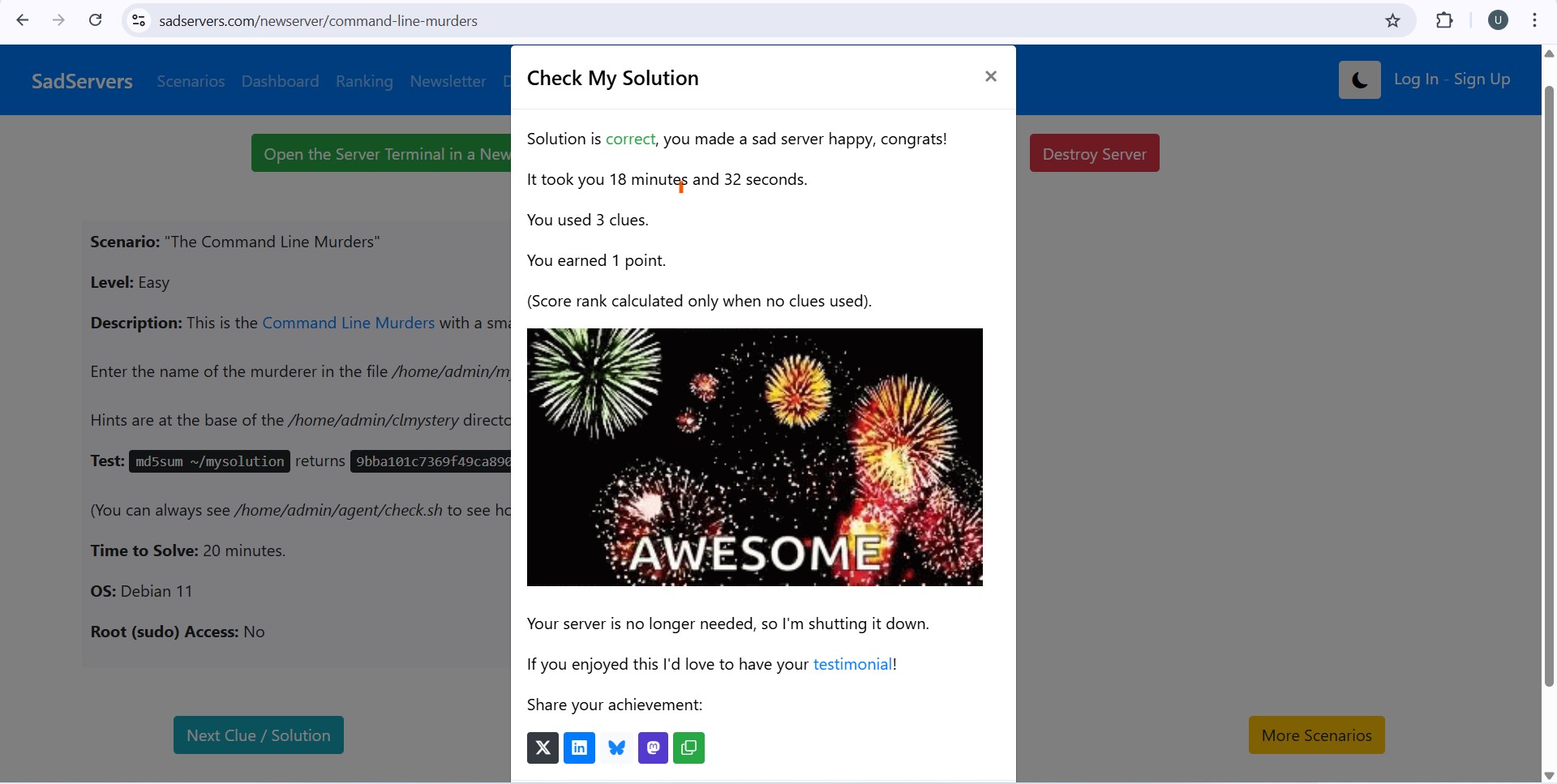
In this task I solved the "Command Line Murders" scenario on the Sad Servers platform. Using Linux commands such as ls, cd, cat, grep, head and tail
I analyzed files and gathered clues to identify the suspect. This task helped me practice Linux command-line navigation, file searching, and troubleshooting
skills.
Images
Task 19: Make a Web app
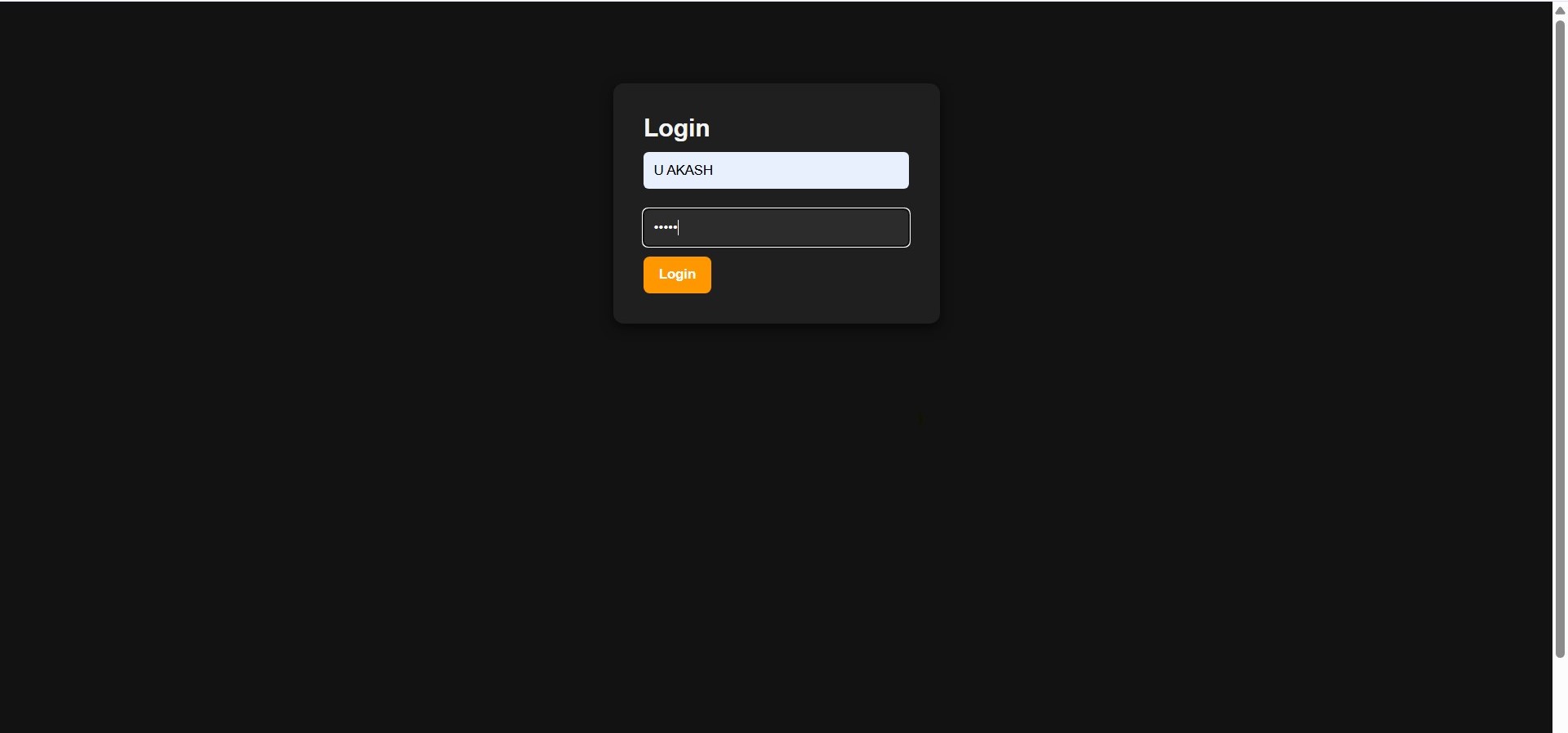
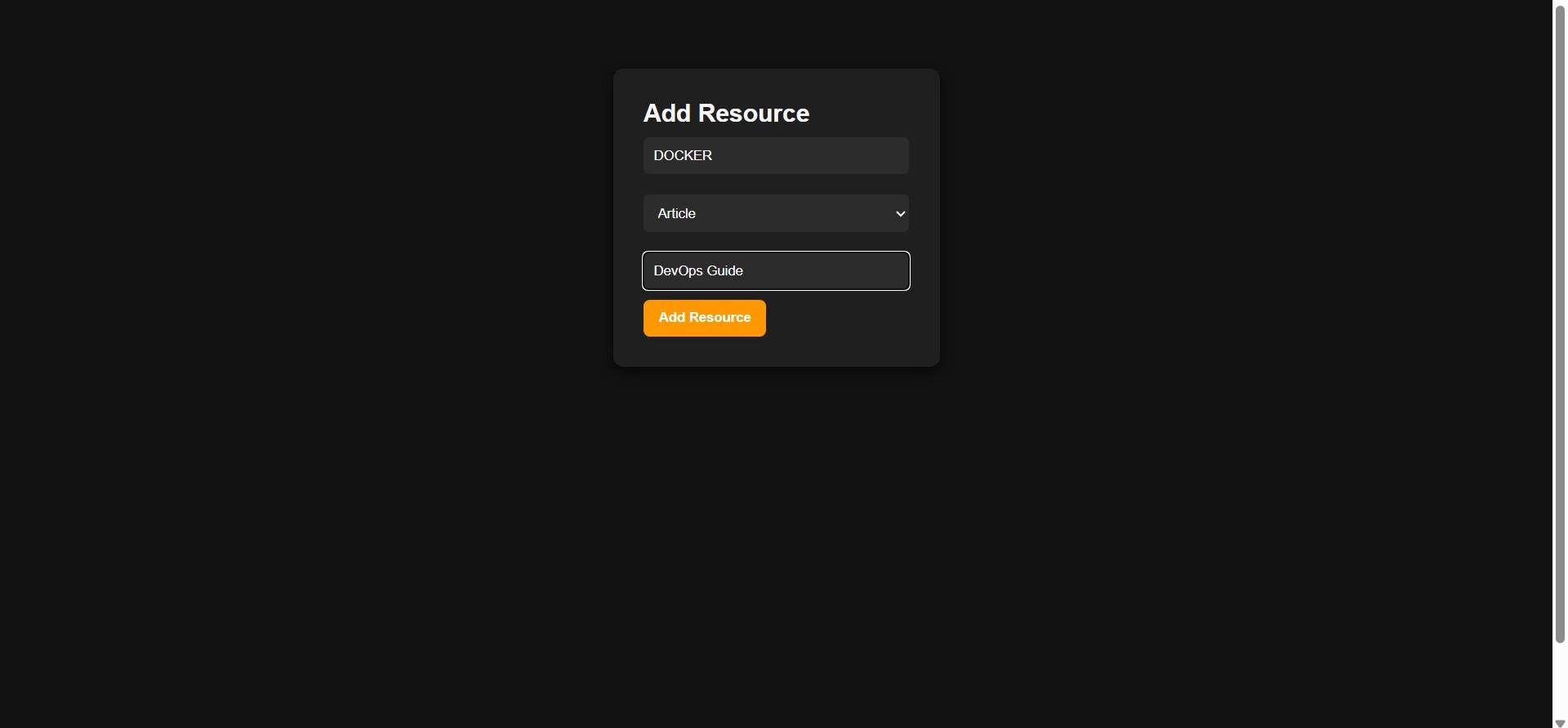
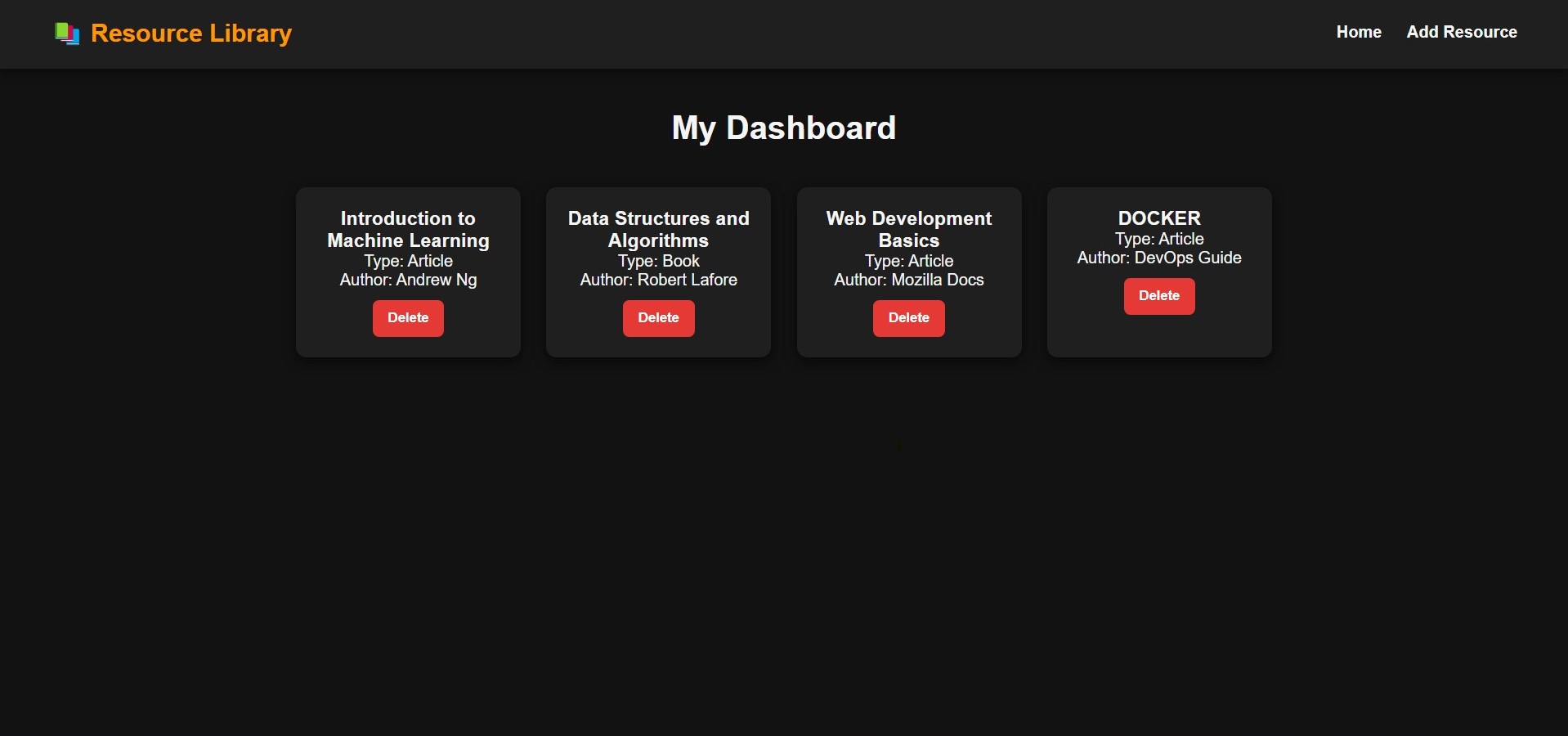
In this task I developed a simple web application using Node.js and the Express framework. The application allows users to register and log in and provides a dashboard to manage learning resources. Users can add resources by specifying the title, type and author and the added resources are displayed as cards on the dashboard with an option to delete them.
Images
click here for repo