
Brain Reading Robots: Applications Of Brain Computer Interfaces In Healthcare
Brain computer interfaces (BCIs) enable direct communication between the human brain and external devices by translating neural signals into executable commands. Advances in signal processing, artificial intelligence, and robotics have enabled the integration of BCIs with robotic systems, particularly within healthcare environments where precision, safety, and clinical reliability are critical.
.jpeg)
What Are Brain Reading Robots?
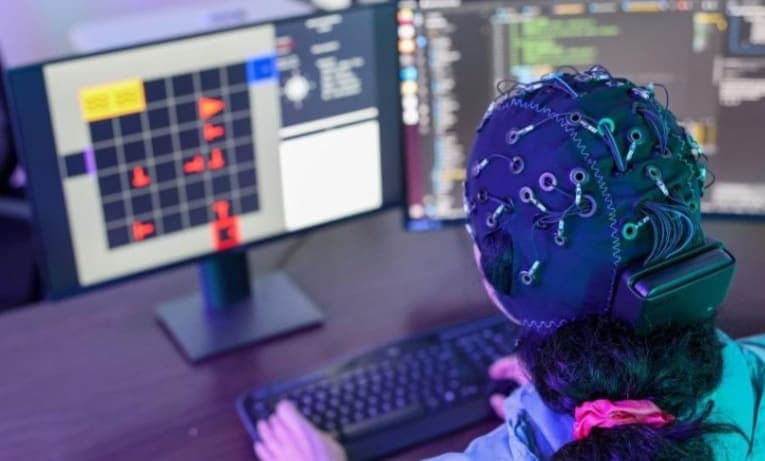
Brain reading robots are robotic systems controlled through brain computer interfaces that interpret measurable neural activity rather than conscious thoughts, memories, or emotions. These systems acquire brain signals using sensors such as electroencephalography (EEG) and process them using machine learning and signal interpretation algorithms.
Once decoded, these neural patterns are translated into control commands that enable robotic actuation, allowing users to interact with machines without conventional physical input.
How The Technology Actually Works
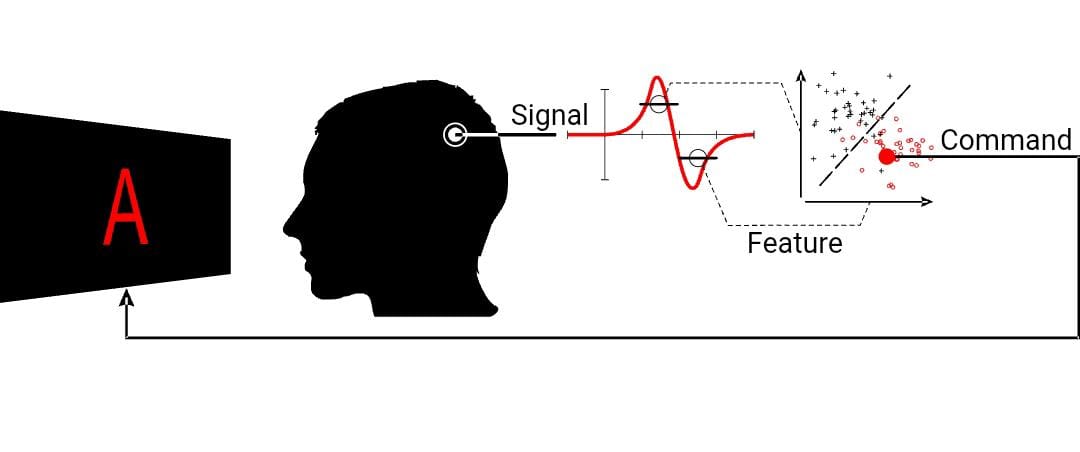
The operation of brain reading robots follows a structured pipeline of neural signal acquisition, preprocessing, feature extraction, and classification. EEG devices capture electrical activity from the scalp, which is filtered to remove noise and artifacts. Advanced models, including deep neural networks, analyze the processed signals to identify motor intentions or control commands that correspond to specific actions. These decoded outputs are then transmitted to robotic systems, which execute the intended movement in real time, translating neural intent into physical action.
Why Healthcare Is Leading The Market
Healthcare is the primary application domain for brain reading robots due to the direct therapeutic and rehabilitative benefits demonstrated in clinical research. BCIs have been increasingly integrated with robotic rehabilitation systems to support recovery in patients with motor impairments resulting from stroke, spinal cord injury, and other neurological conditions. Clinical reviews show that BCI robot systems can promote improvements in motor function and upper limb rehabilitation, particularly in structured therapy settings where targeted neural feedback enhances recovery outcomes.
BCI based robotic systems enable patients to control robotic limbs, exoskeletons, and assistive devices using neural activity alone, bypassing damaged neuromuscular pathways and facilitating engagement in repetitive, intention driven rehabilitation exercises that are difficult to achieve through conventional methods. Hybrid approaches that combine EEG signals with other modalities, such as functional near
infrared spectroscopy (fNIRS), have shown promise in further improving signal quality and rehabilitation performance.
Patient Rehabilitation And Assistive Control
.jpeg)
BCI systems integrated with robotic devices have been applied in clinical contexts to assist patients with paralysis and chronic motor deficits. By decoding neural signals related to intended movement, these systems allow individuals to interact with robotic arms, prosthetic devices, and communication interfaces, providing alternative means of functional control and promoting independence in activities of daily living.
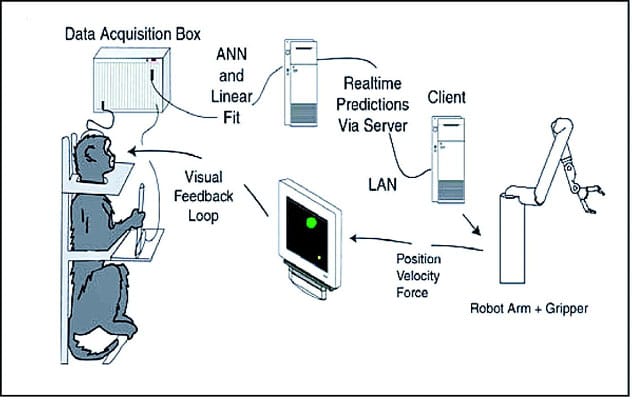
These interactions do not require voluntary physical movement, making them viable for patients with severe motor impairments or spinal injury.
System Reliability And Clinical Efficiency
In rehabilitation settings, BCI robot systems can reduce physical strain on patients by eliminating the need for manual input devices. Direct neural control enables faster response times and consistent execution of repetitive rehabilitation tasks, improving efficiency in long-term care and neurorehabilitation facilities.
Real World Applications Already In Use
.jpeg)
Brain reading robots are currently utilized in neurorehabilitation therapy, assistive communication systems for speech impaired patients, precision robotic control, and medical research. Clinical studies have reported measurable improvements in motor recovery and patient engagement with BCI-driven robotic interventions, indicating readiness for broader clinical use and ongoing research translation.
Challenges And Ethical Considerations
Despite clinical promise, several challenges remain. High system costs and the necessity for trained personnel limit accessibility. The acquisition, storage, and processing of neural data also raise concerns about privacy, data security, and long-term user consent.
Ethical considerations include ensuring informed consent, protecting sensitive neural data, and establishing regulatory oversight frameworks. Addressing these issues is critical for the responsible adoption of brain computer interface technologies within healthcare systems.
Future Outlook
Future research continues to explore improvements in decoding accuracy, signal acquisition methods, and hybrid sensing approaches that combine EEG with other modalities. These advances aim to enhance reliability, widen clinical applicability, and expand the use of BCIs beyond traditional rehabilitation into areas such as adaptive assistive control, teleoperation, and personalized therapy protocols.
Conclusion
Brain reading robots represent a significant advancement in assistive healthcare technology. By combining neuroscience, artificial intelligence, and robotics, these systems provide effective solutions for patients with motor and communication impairments. Continued research, clinical validation, and ethical governance will be essential for their responsible and widespread application.