BLOG · 3/3/2026
LEVEL 1 REPORT - PART 2

Fourier Transform & Z-Transform
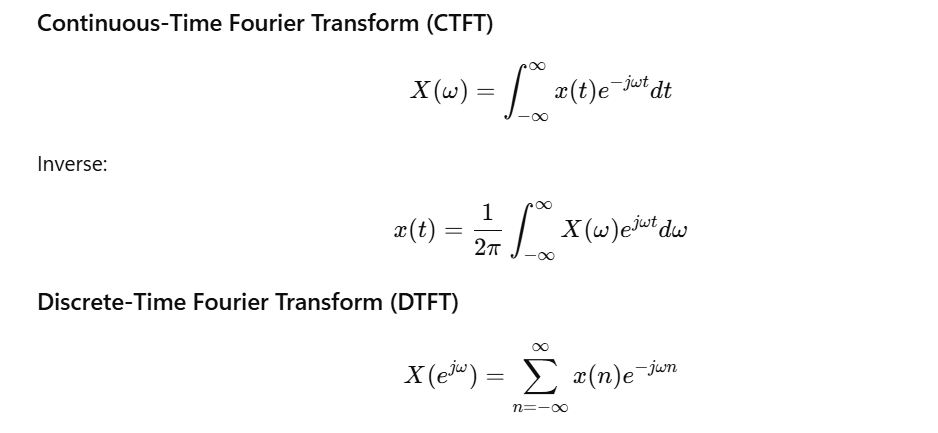
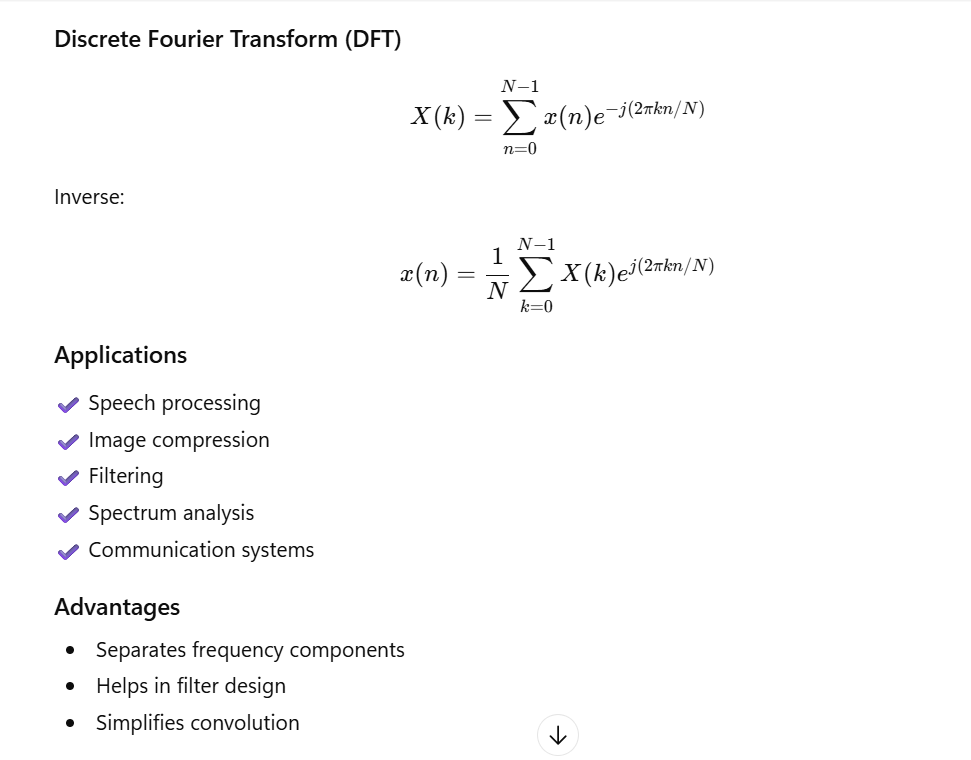
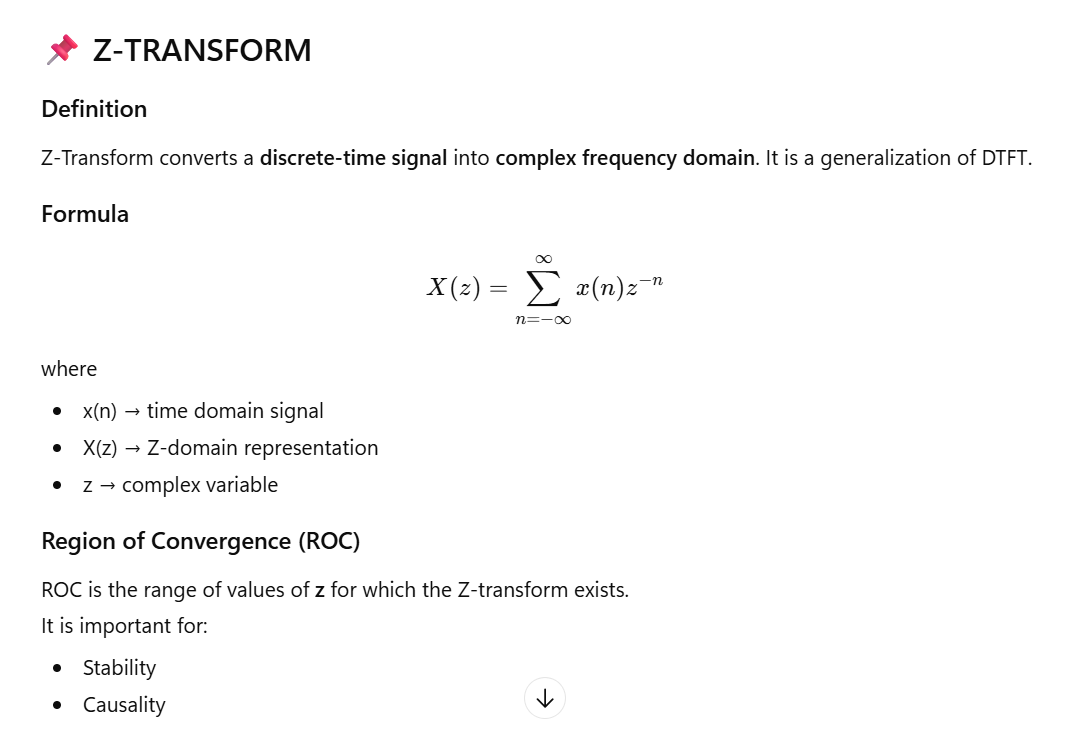
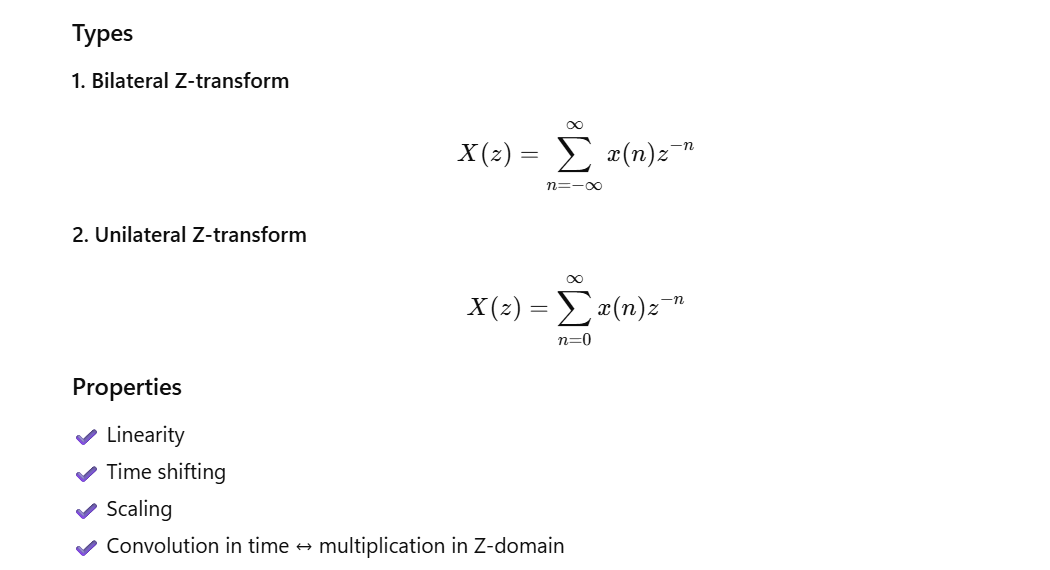
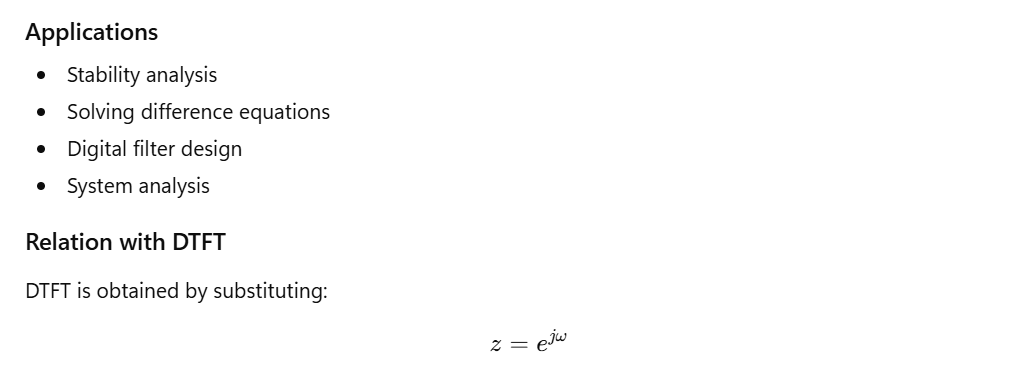
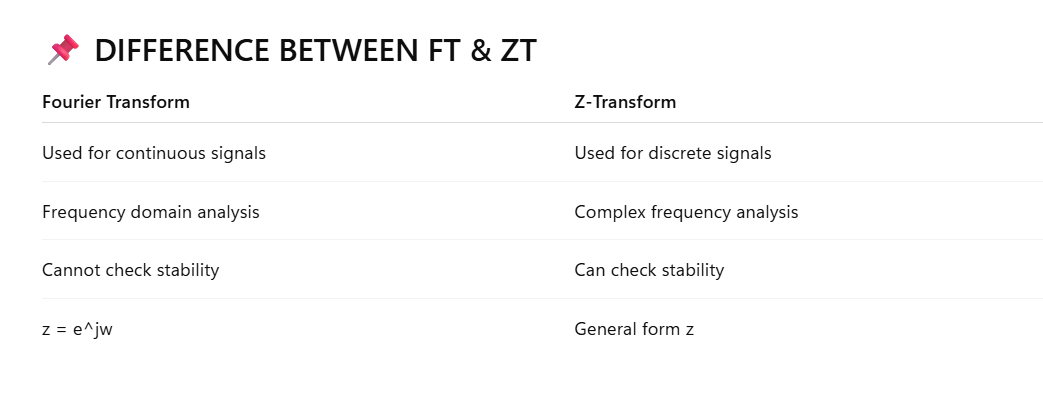
I performed a simple linear convolution in MATLAB for two 4-sample discrete signals, as shown below.
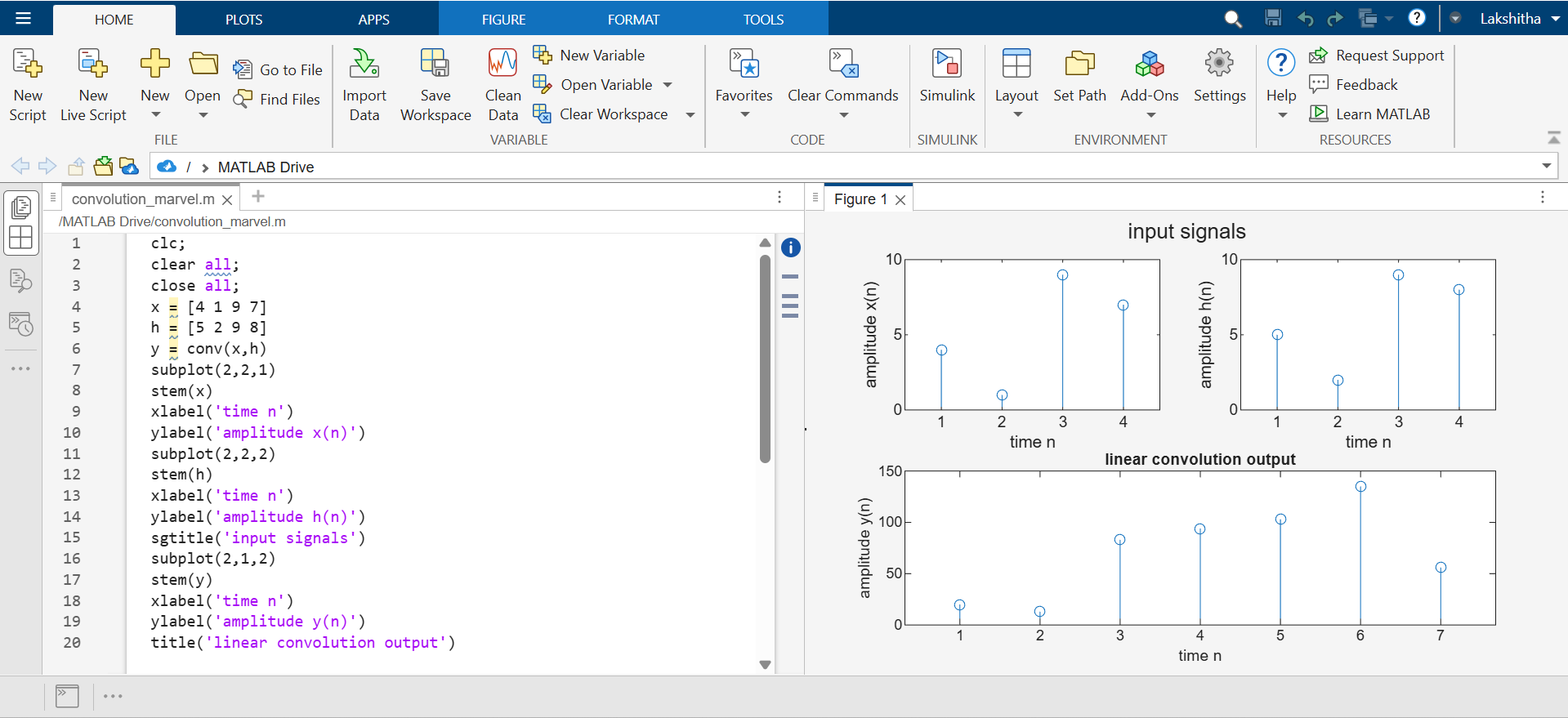
Outcome:
I understood the basics of DSP theoretically, and also learnt to perform convolution operation in MATLAB.
TASK 9: Whose Array Is It Anyway?
Objective:
To understand and implement combinational logic design using PAL and PLA structures.
Methodology:
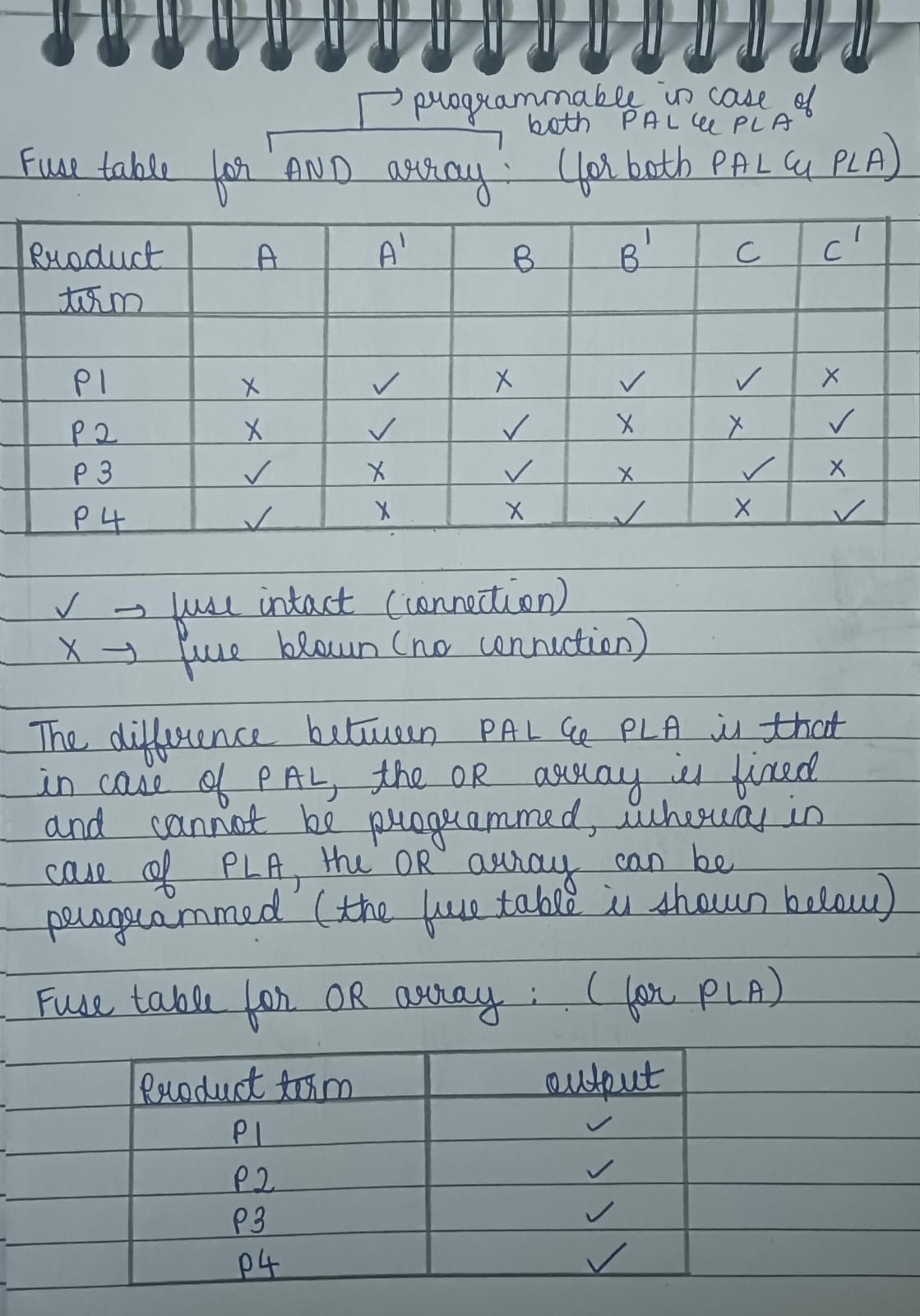
I read upon the basics of PROM, PLA and PAL and understood the key differences. I then designed a logic circuit that outputs '1' if the number of 1’s in a 3-bit input (A, B, C) is odd. First I designed this using a PAL and then I designed the same thing using a PLA. For both I drew the fuse tables of AND Array and OR Array and I've shown the fuse and blown connections.
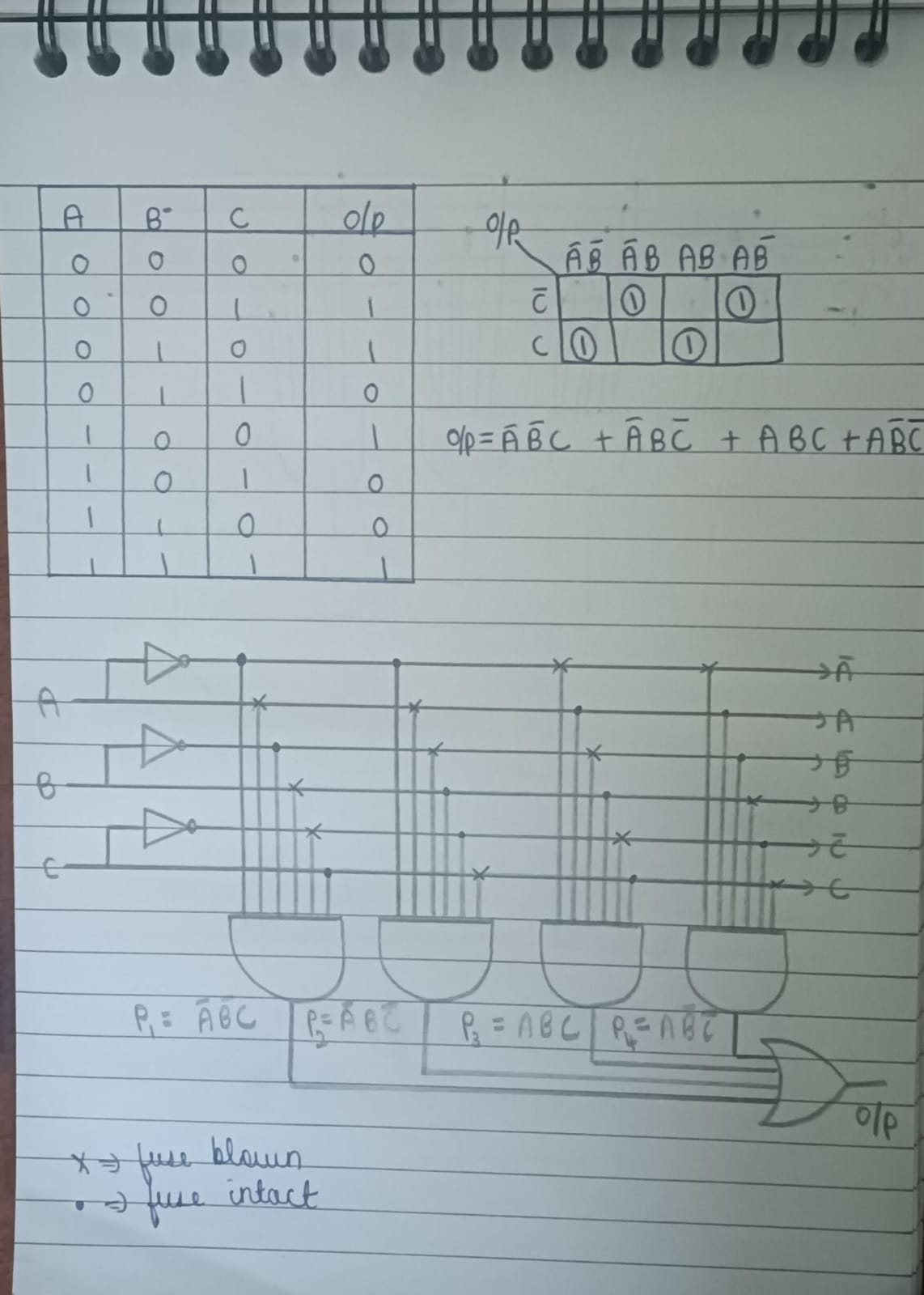
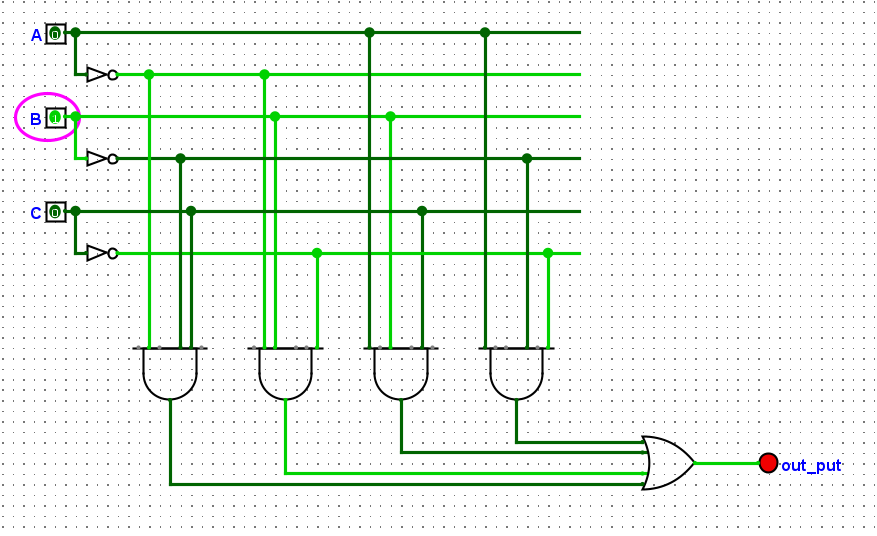
Link to the simulation video
I then used the knowledge from the above procedure to solve a real world problem statement:
Design a controller that manages three lights in a smart home system based on these conditions - Motion sensor (M), Light level sensor (L), Time of day (T), Manual override (O).
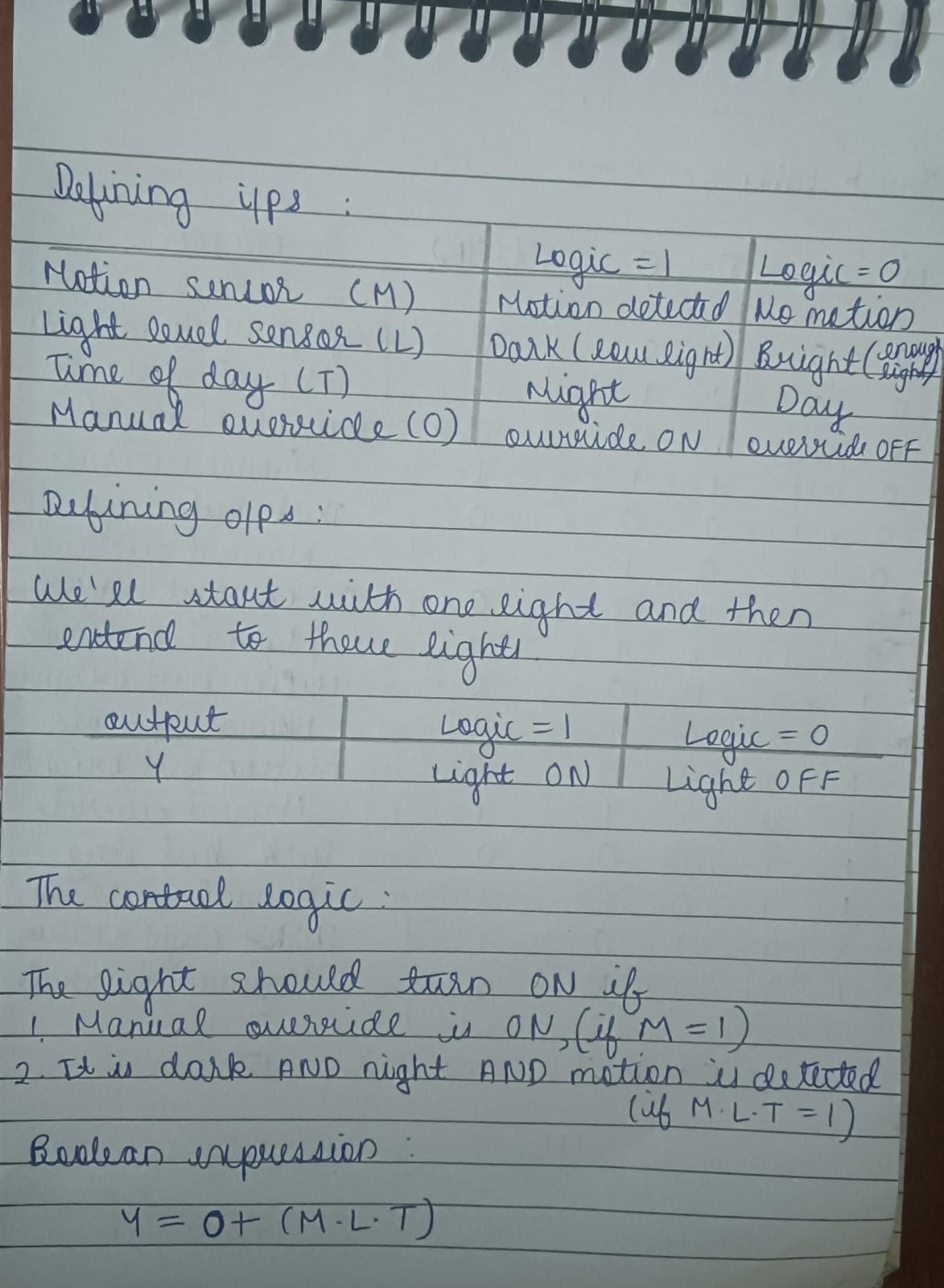
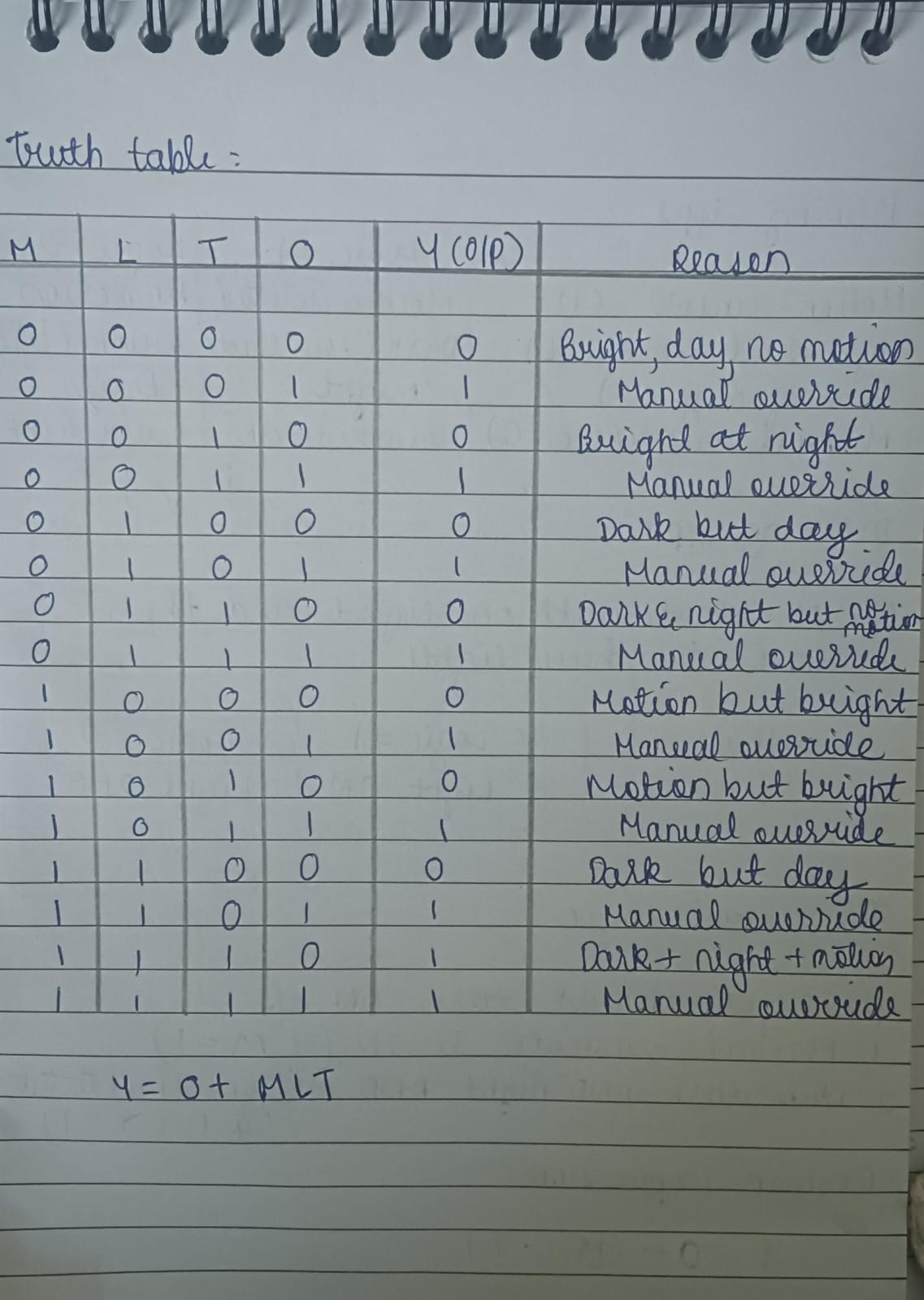
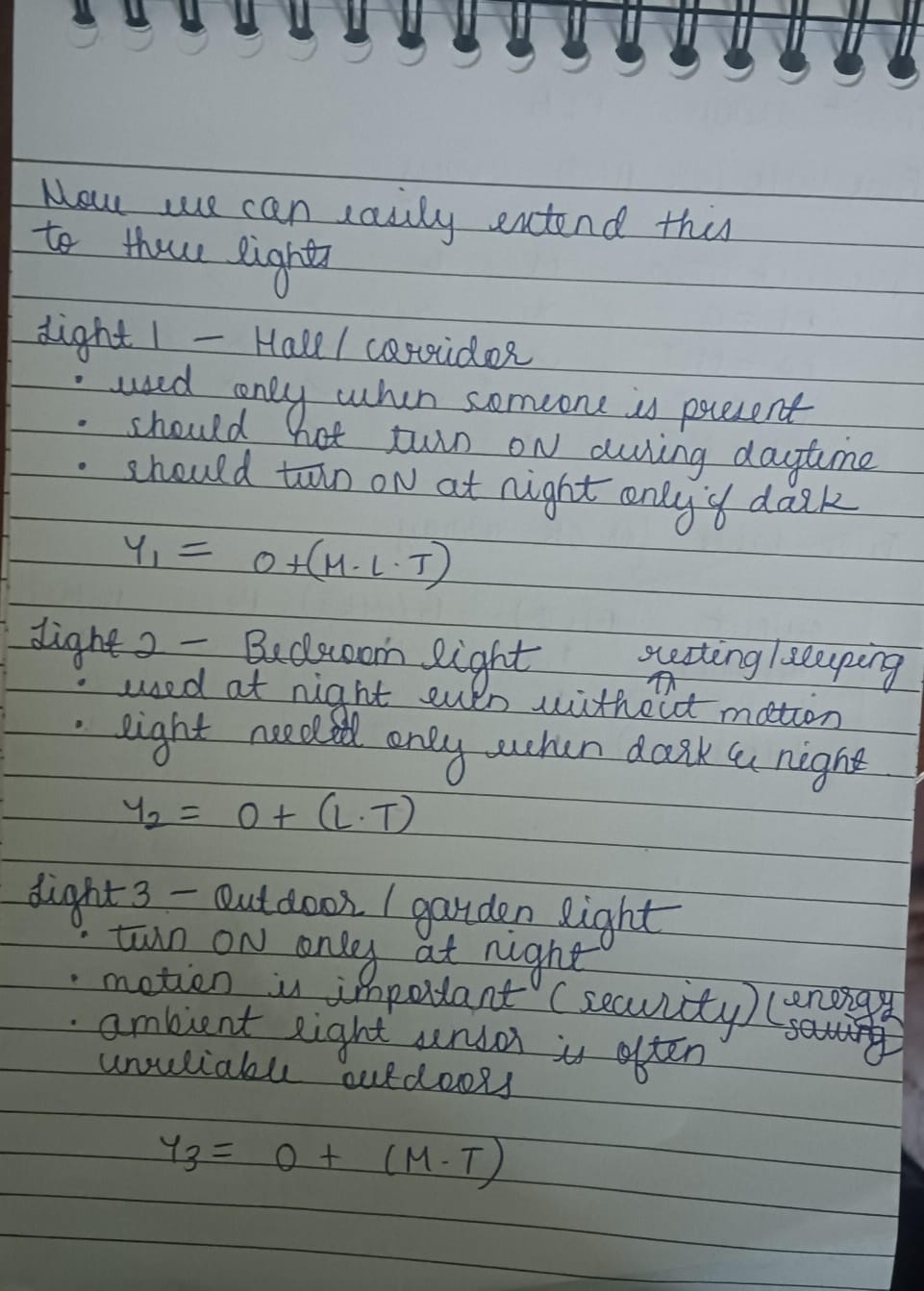
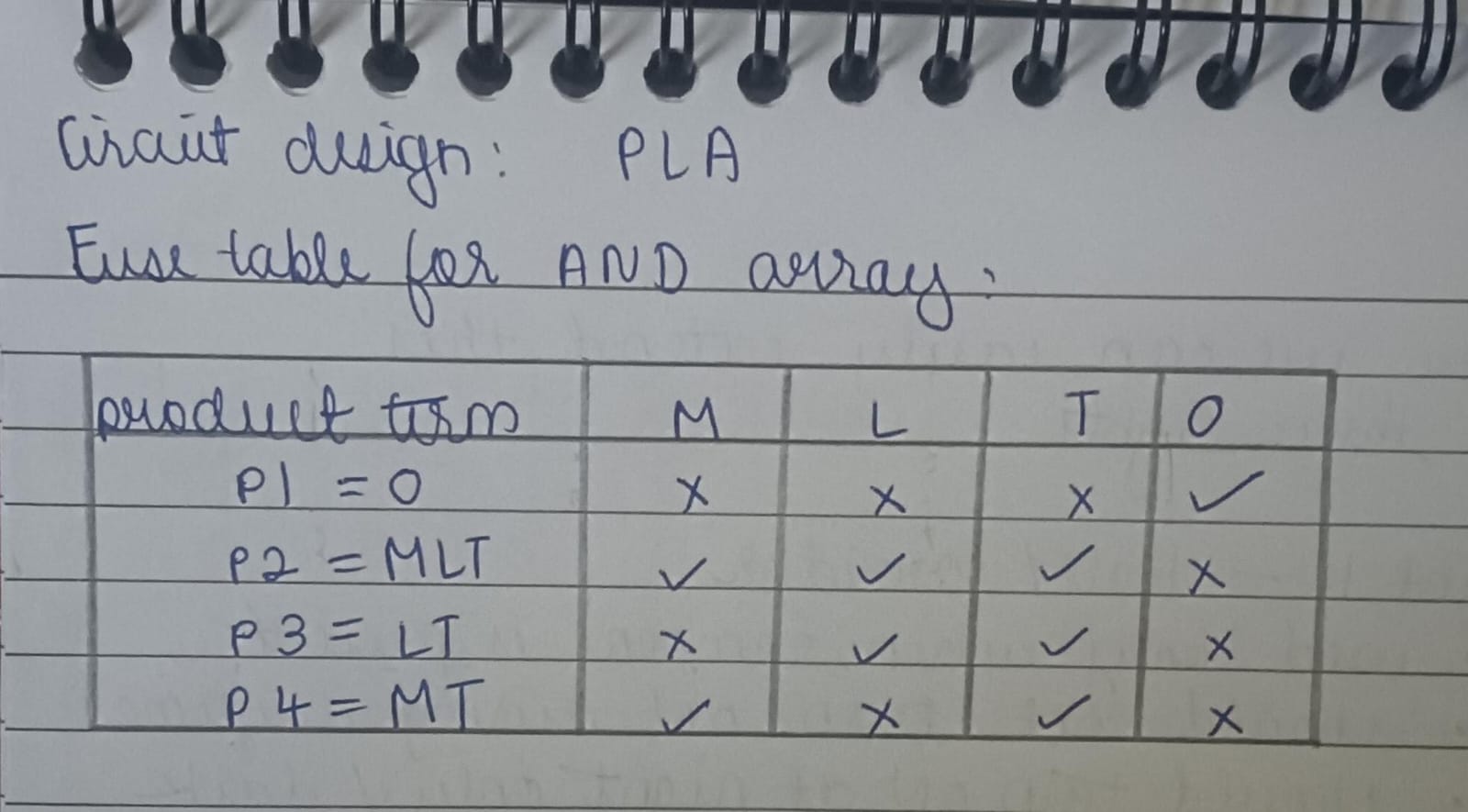
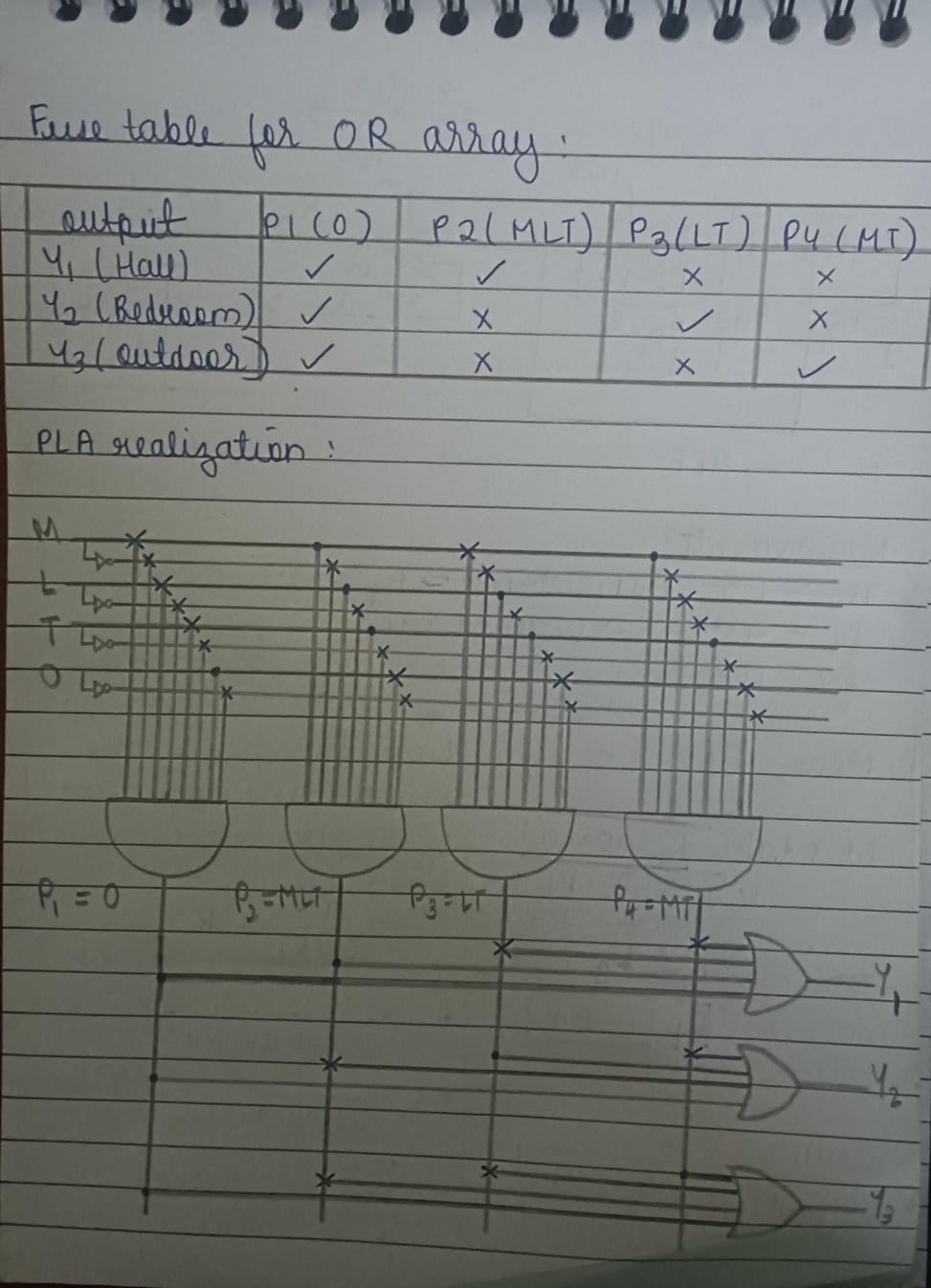
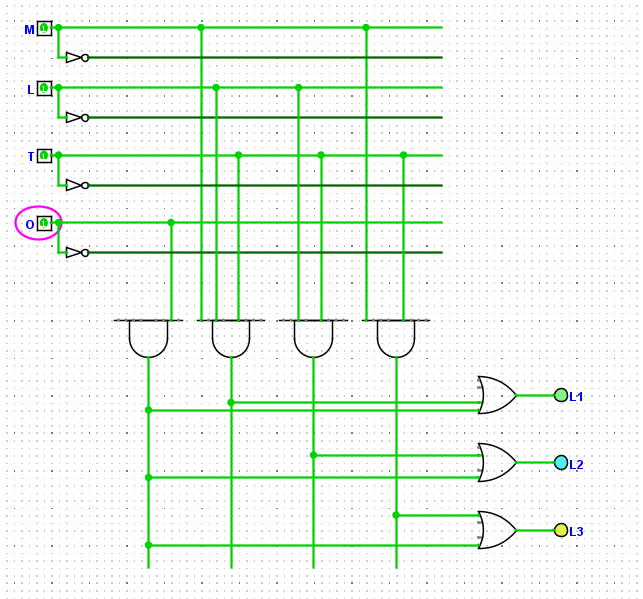
Link to the simulation video
Theory:
PLA, PAL, and PROM are programmable logic devices used to implement digital logic functions. A PLA (Programmable Logic Array) has both programmable AND and programmable OR arrays, making it highly flexible for implementing complex logic functions. A PAL (Programmable Array Logic) has a programmable AND array but a fixed OR array, making it faster and simpler but less flexible than a PLA. A PROM (Programmable Read-Only Memory) has a fixed AND array and a programmable OR array, and it is mainly used to store predefined output values based on input combinations rather than for flexible logic design.
Outcome:
Understood and implemented combinational logic design using PAL and PLA structures.
TASK 10: Your Logic, Preloaded
Objective:
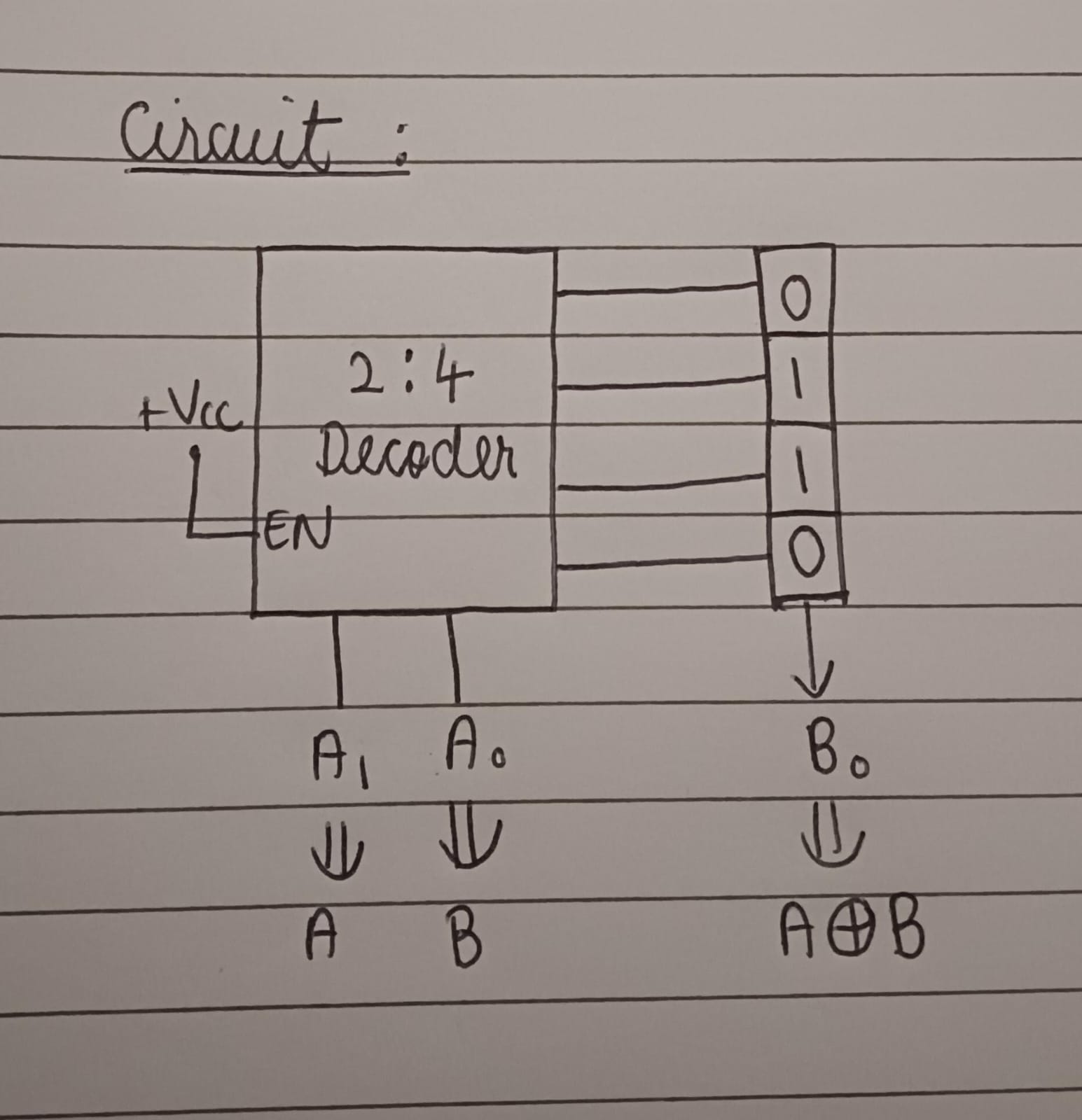
To understand the concept of Look-Up Tables (LUTs) and to implement a 2-input XOR function using a 4x1 LUT (2 input bits select one of 4 pre-stored outputs).
Methodology:
I read up on the basics of Look Up Tables in digital electronics.
First, I manually wrote the truth table for XOR.
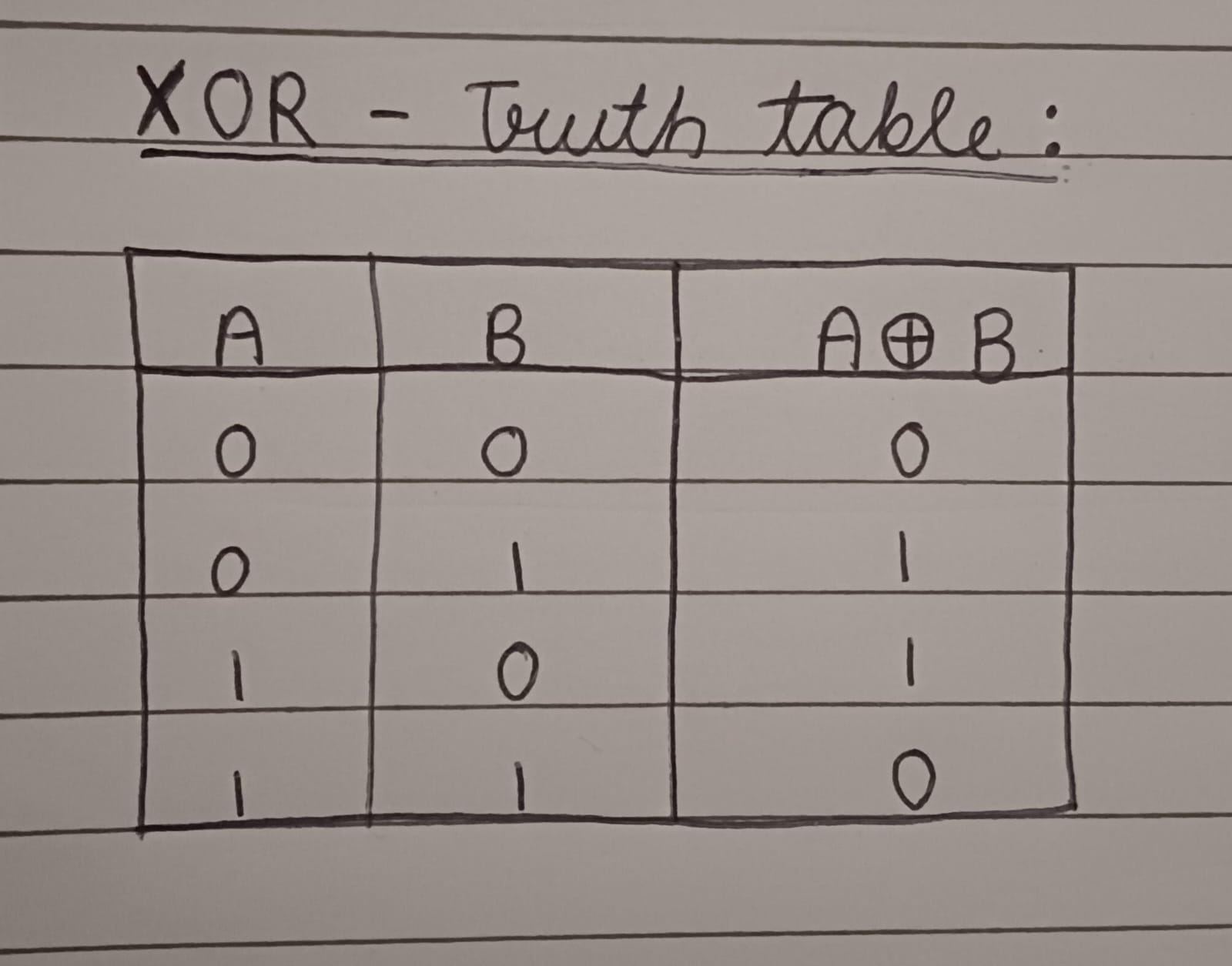
Then, I programmed a 4×1 LUT with the correct outputs based on the truth table.
I simulated how inputs select different stored outputs.
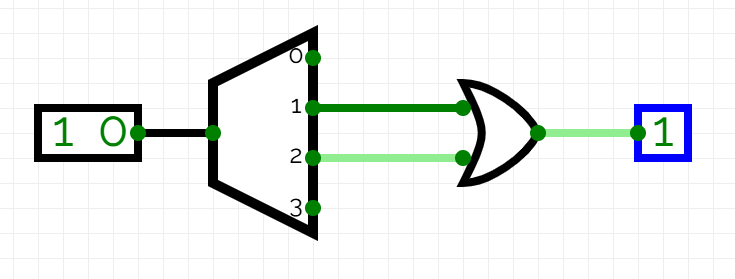
Link to the simulation video
Theory:
A lookup table (LUT) is a memory-based method used to store precomputed output values corresponding to different input combinations, so that instead of calculating a result each time, the system simply “looks up” the answer from the table. It is widely used in digital systems, FPGAs, signal processing, and computing to implement logic functions, mathematical operations, or complex mappings quickly and efficiently.
Outcome:
I understood the concept of Look-Up Tables (LUTs) and learnt to implement LUTs according to our requirements.
Mechanical Design
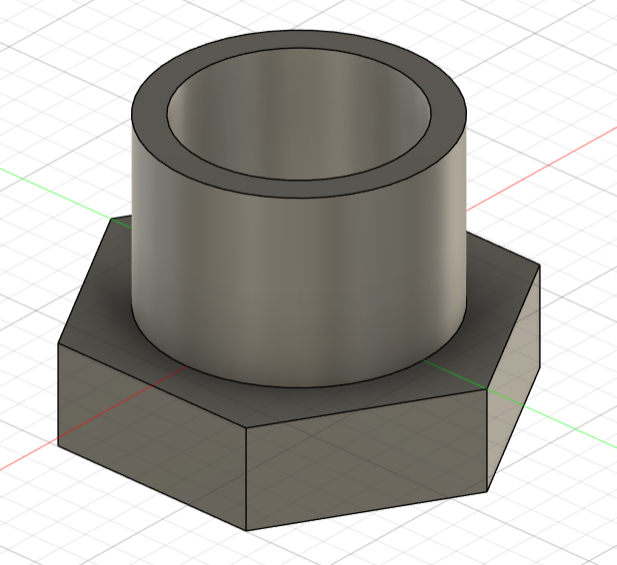
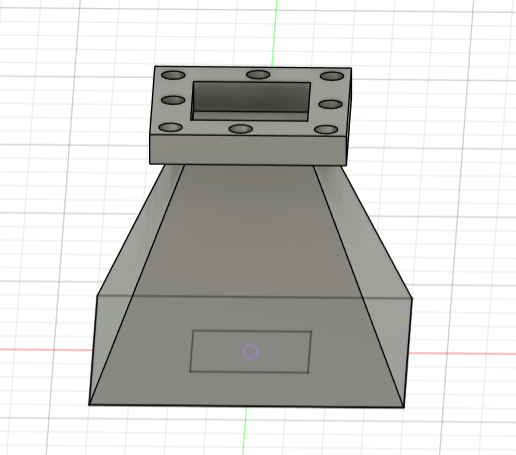
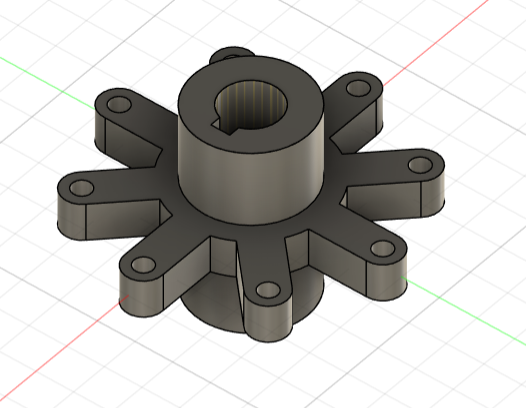
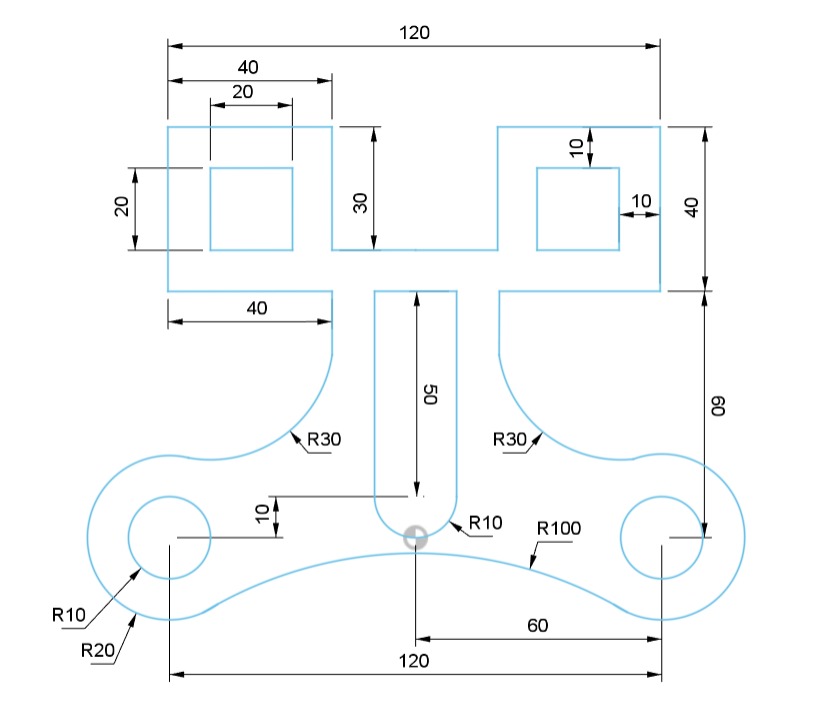
TASK 1: 2D Drawings in CAD
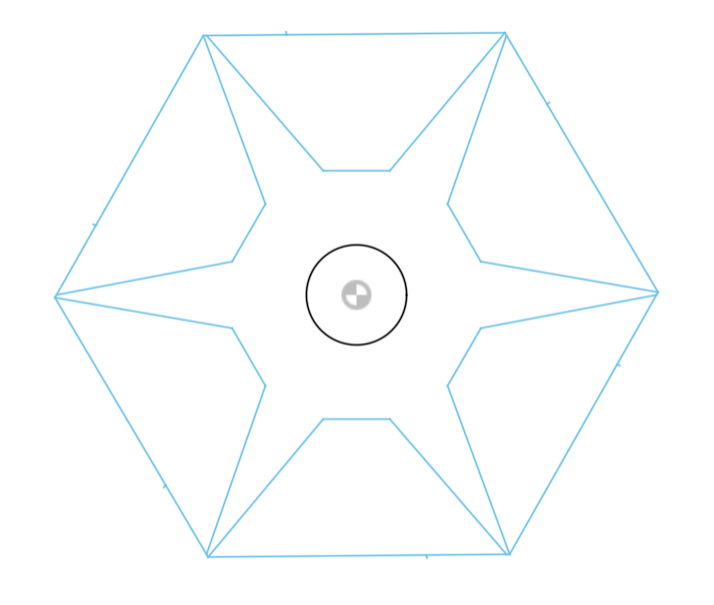

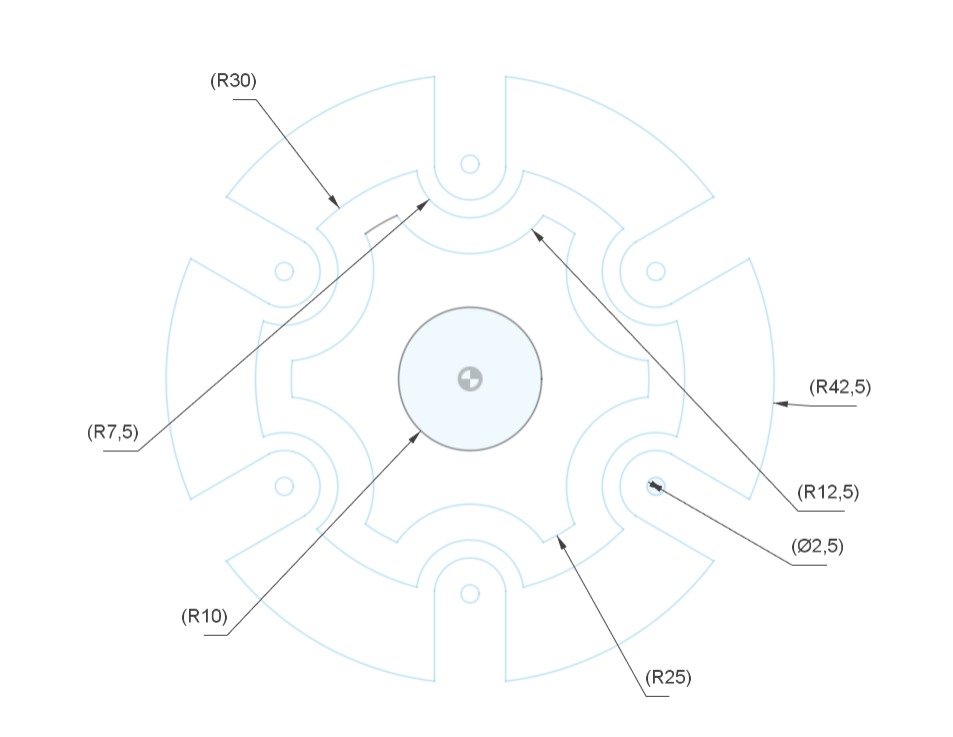
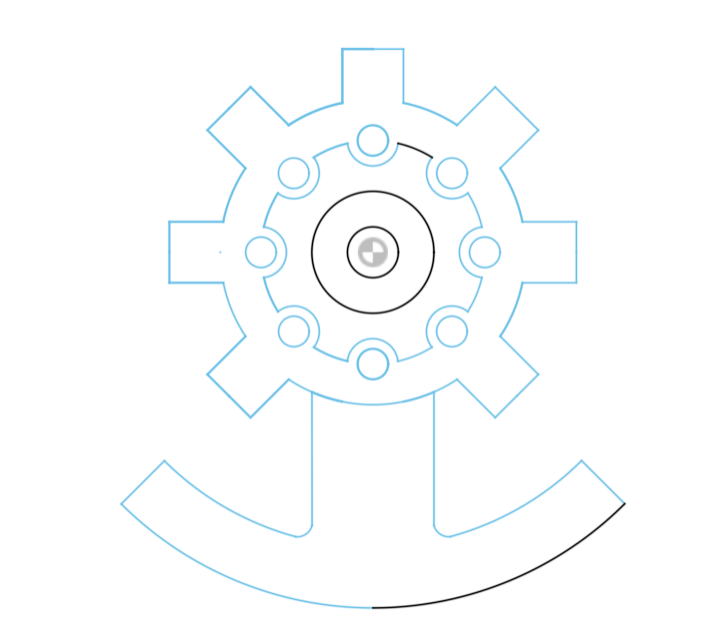
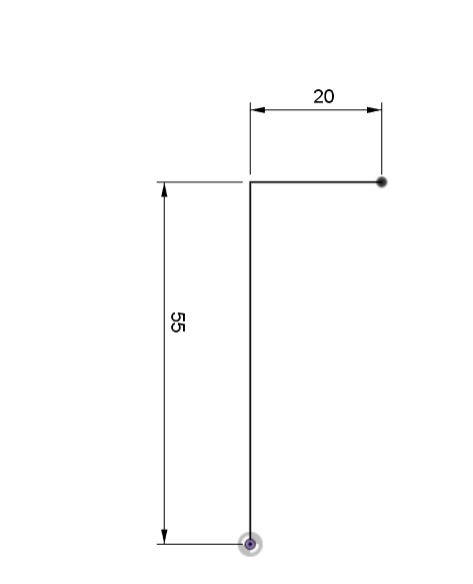
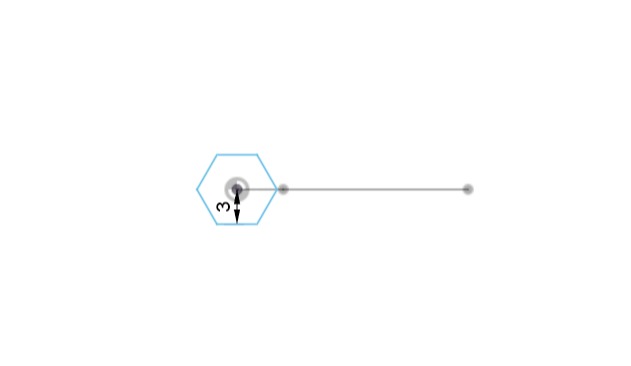
TASK 2: Allen Key
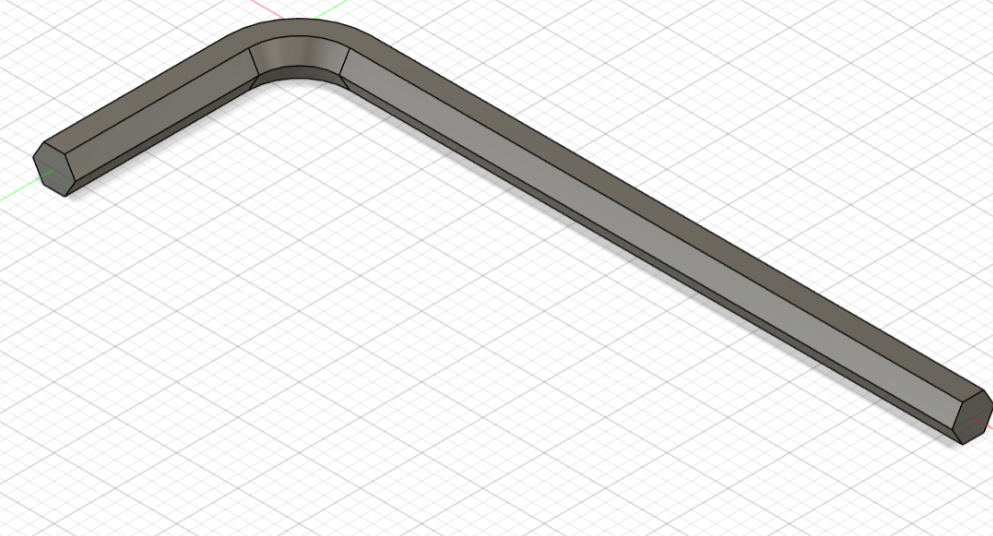
TASK 3: 3D Drawings in CAD